













The study findings were published in the peer reviewed journal: Blood Advances.
Key Points
- VWF(Ag):ADAMTS13 ratio ≥1.5 was evident in 28% of PCS cohort
- 55% of patients with impaired exercise capacity had a raised VWF(Ag):ADAMTS13 ratio ≥1.5 (OR 4)
Post-COVID syndrome (PCS) or Long-COVID is an increasingly recognised complication of acute SARS-CoV-2 infection, characterised by persistent fatigue, reduced exercise tolerance chest pain, shortness of breath and cognitive slowing.
We investigated if patients with PCS also had evidence of a pro-thrombotic state associating with symptom severity. In a large cohort of patients referred to a dedicated post-COVID-19 clinic, thrombotic risk including VWF(Ag):ADAMTS13 ratio, was investigated.
An elevated VWF(Ag):ADAMTS13 ratio (≥1.5) was raised in nearly one-third of the cohort and four times more likely in patients with impaired exercise capacity as evidenced by desaturation ≥3% and/or rise in lactate level more than 1 from baseline on 1-minute sit to stand test and/or 6-minute walk test (p<0.0001). 20% (56/276) had impaired exercise capacity, of which 55% (31/56) had a raised VWF(Ag):ADAMTS13 ratio ≥1.5 (p<0.0001).
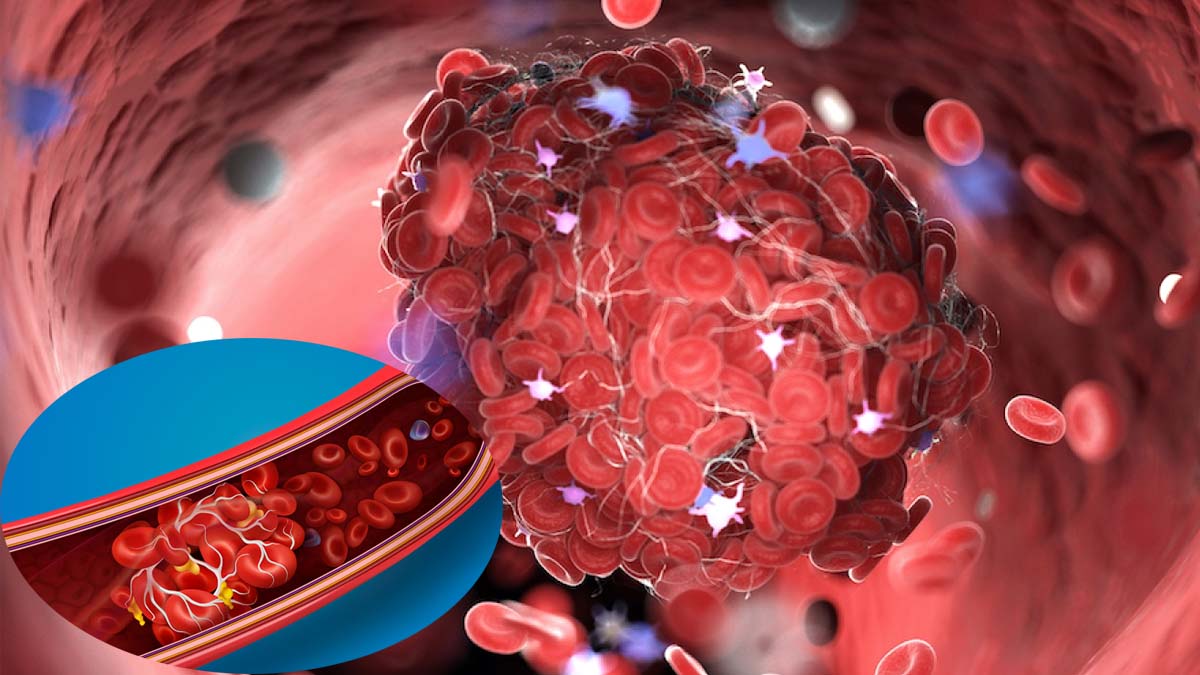
FVIII and VWF(Ag) were elevated in 26% and 18% respectively and support a hypercoagulable state in some patients with PCS. These findings suggest possible ongoing microvascular/endothelial dysfunction in the pathogenesis of PCS and highlight a potential role for antithrombotic therapy in the management of these patients.


