












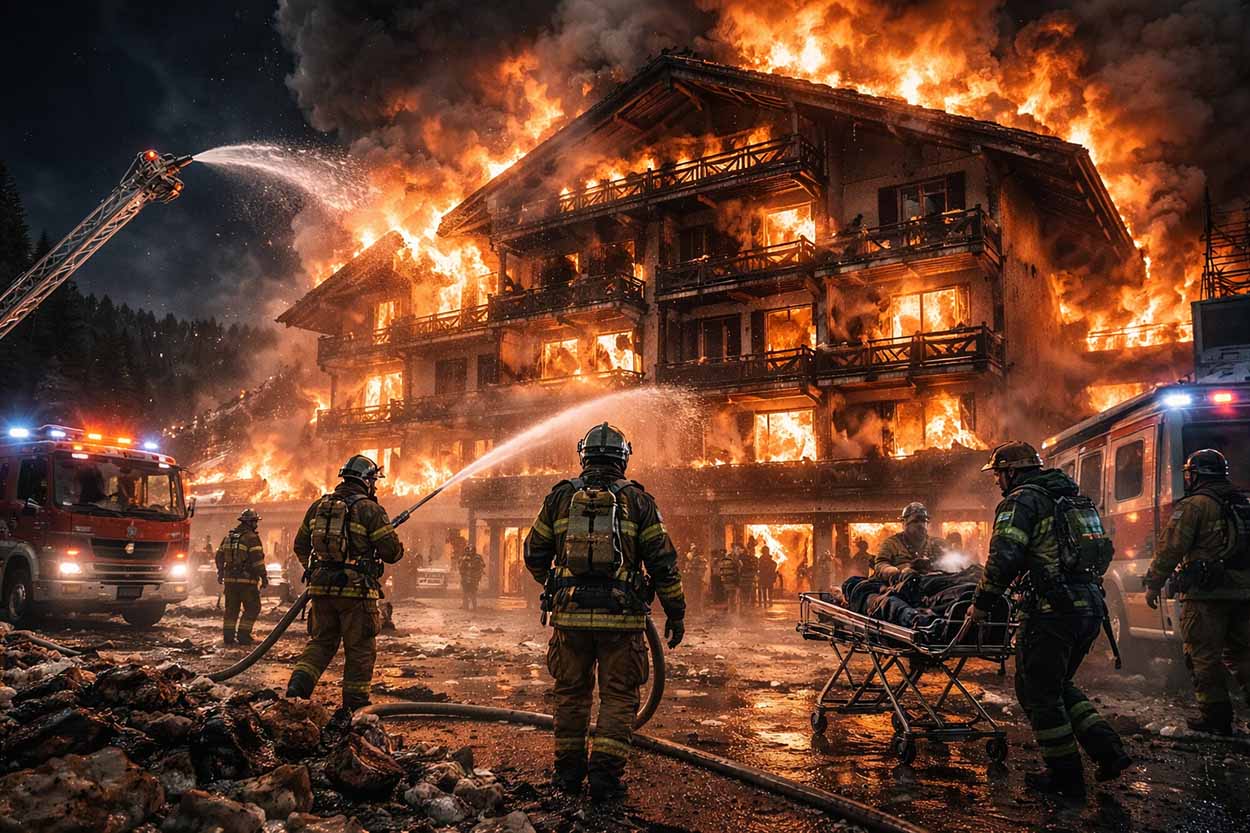
Comprehensive Abstract
The devastating fire that engulfed the basement-level nightclub Le Constellation in the alpine resort municipality of Crans-Montana, Canton of Valais, Swiss Confederation, during the early hours of January 1, 2026, amid New Year’s celebrations attended by hundreds of predominantly young patrons including international tourists, resulted in a provisional toll of approximately 40 fatalities and 115 injuries, many classified as critical due to severe burns and inhalation trauma, marking it as one of the most lethal indoor fire incidents in contemporary Swiss history and prompting immediate declaration of a “situation particulière” by the Canton of Valais State Council effective January 1, 2026 at 09:00 to facilitate sustained multi-day emergency resource mobilization and consequence management across regional healthcare networks already strained to capacity in nearby facilities such as the central hospital in Sion.
Official communiqués issued by the Canton of Valais explicitly characterize the kinetic phenomena perceived as one or multiple explosions as direct consequences of a fire-induced flashover—termed “embrasement généralisé” in established firefighting doctrine—wherein accumulated pyrolysis gases and combustible surfaces ignited near-simultaneously following rapid ceiling propagation, generating overpressure waves, audible deflagrative reports, and dense toxic smoke layers that incapacitated occupants within minutes, with prosecutorial authorities under the direction of the Valais public prosecutor unequivocally excluding criminal detonation or terrorist causation while initiating inquiries focused on potential negligence encompassing material selection, pyrotechnic authorization, occupancy limits, and egress pathway integrity.
Eyewitness accounts corroborated by circulating video evidence depict initial ignition triggered by celebratory sparklers affixed to elevated champagne bottles contacting extensive black pyramid-patterned acoustic panels lining the low ceiling of the enclosed basement dancefloor, panels visually consistent with untreated open-cell polyurethane foam widely marketed for noise abatement in entertainment venues yet exhibiting extreme combustibility characterized by low ignition thresholds, high peak heat release rates exceeding 1000 kW/m² in cone calorimeter testing, sustained flame spread indices, molten droplet emission, and copious liberation of lethal pyrolysis products including hydrogen cyanide, carbon monoxide, and hydrocarbons that accelerate transition to fully developed fire phases in confined volumes with limited natural ventilation.
The structural configuration of Le Constellation—a multi-level establishment with primary entertainment space in a subterranean enclosure accommodating up to 300 indoor patrons plus terrace capacity—amplified vulnerability through stratified hot gas layering that stratified at ceiling heights, elevating upper-zone temperatures beyond 500–600°C within seconds of surface ignition, conditions sufficient to volatilize additional fuel loads from furnishings, decorations, and crowd apparel, culminating in the abrupt flashover transition that transformed localized ceiling burning into compartment-wide involvement producing fireball expansion, window fracturing from thermal overpressure, and opaque black smoke descent to floor level within under 2 minutes, severely curtailing tenability and precipitating crowd surge toward egress points reportedly constrained by narrow stairways and potential obstructions.
Swiss fire protection governance, decentralized to cantonal level yet harmonized nationally through the Vereinigung Kantonaler Feuerversicherungen (VKF) prescriptions in their 2015 iteration remaining binding through the transitional period preceding planned 2026 revisions, mandates portable extinguishing equipment placement, smoke detection, signed escape routes with maximum travel distances not exceeding 35 meters, and reaction-to-fire performance limitations for interior finishes in public assembly occupancies, incorporating progressive alignment with European EN 13501-1 Euroclasses that restrict deployment of materials exhibiting high flame spread or droplet formation in high-risk zones, while automatic suppression systems such as sprinklers function as optional compensatory measures permitting relaxation of structural fire resistance requirements rather than universal mandates for smaller hospitality venues without overnight accommodations.
Absence of documented automatic suppression activation in preliminary reports aligns with regulatory permissibility for non-sprinklered operation provided alternative safeguards are verified by cantonal insurers including the Établissement cantonal d’assurance du Valais through periodic inspections tied to operating permits and insurance validations, although the extraordinary growth rate facilitated by untreated polyurethane ceiling coverage—material typically achieving marginal Euroclass ratings absent additive treatments—would challenge even rapid-response sprinkler heads to contain incipient stages once multiple ignition points from dripping combustibles established downward propagation.
Portable extinguishers, mandatory under VKF guidelines with prescribed quantities, placement visibility, and annual maintenance certification, appear underrepresented in initial intervention attempts captured on video wherein patrons resorted to improvised manual suppression using clothing items such as sweaters or rags to beat ceiling flames, indicative either of inaccessible equipment positioning in the crowded basement, insufficient unit density for immediate access amid panic, delayed threat perception amid ongoing music and celebratory atmosphere, or potential deficiencies in staff training and emergency drills that failed to enable rapid deployment of proper tools before flashover rendered manual efforts futile.
This sequence mirrors recurrent causal patterns in transnational nightclub tragedies wherein untreated polyurethane acoustic insulation installed for reverberation control in performance spaces dramatically accelerates fire development timelines: the Station nightclub fire in West Warwick, Rhode Island, United States, on February 20, 2003, wherein pyrotechnics ignited similar eggcrate-patterned foam resulting in flashover within approximately 90 seconds and 100 fatalities; the Kiss nightclub fire in Santa Maria, Brazil, on January 27, 2013, claiming 242 lives through ceiling foam ignition by stage sparklers producing cyanide-laden smoke; and the Colectiv nightclub fire in Bucharest, Romania, on October 30, 2015, with 64 deaths from pyrotechnic-sparked polyurethane combustion in a venue lacking sprinklers and adequate exits, incidents collectively underscoring the lethal synergy of confined geometry, high fuel loads from polymeric linings, ignition sources from indoor effects, and egress bottlenecks in entertainment environments prioritizing acoustic enhancement over stringent material substitution.
Ongoing prosecutorial examination by Valais authorities, supported by cantonal police under newly appointed commander Frédéric Gisler, prioritizes forensic reconstruction of material provenance, renovation history, pyrotechnic usage protocols, and compliance documentation for the French-owned establishment operational since approximately 2015, amid broader implications for alpine tourism economies reliant on vibrant nightlife yet exposed to seasonal overcrowding risks that compound latent hazards from cost-driven selection of economical untreated acoustic treatments over certified fire-retardant alternatives such as melamine-based foams or mineral fiber composites achieving superior Euroclass performance without compromising sound absorption efficacy.
The tragedy’s proximity to the VKF total revision project for Brandschutzvorschriften 2026, advancing risk-oriented quantitative objectives and performance-based equivalencies following extensive stakeholder consultation, anticipates heightened scrutiny of interior finish contributions in assembly occupancies, potentially catalyzing accelerated mandates for suppression retrofits, mandatory flame-retardant acoustic solutions, and enhanced pyrotechnic prohibitions in enclosed venues, measures that—if preemptively implemented—could have materially delayed flashover onset at Le Constellation, extending available escape time beyond the critical 90–120 second window observed in analogous polyurethane-fueled incidents.
Ultimately, the Crans-Montana catastrophe exemplifies preventable convergence of regulatory tolerances for non-sprinklered legacy operations, enforcement variability across decentralized cantons, economic incentives favoring inexpensive combustible materials, and operational lapses in risk assessment for celebratory ignition sources, yielding a flashover-driven mass casualty event whose toxicological and kinetic profile aligns precisely with established fire dynamics modeling of untreated polyurethane-lined compartments, underscoring the imperative for transnational knowledge transfer from prior disasters to mitigate recurrence in high-occupancy entertainment infrastructure worldwide.
Crans-Montana Le Constellation Fire 2026: Analytical Infographic
Divergence: Deviation from Expected Safety Standards
The Le Constellation incident diverges sharply from modern fire safety expectations in high-occupancy venues, where rapid escalation should be mitigated by mandatory safeguards.
Key Divergence: Material Choice
Ceiling covered in untreated pyramid polyurethane foam instead of fire-retardant alternatives.
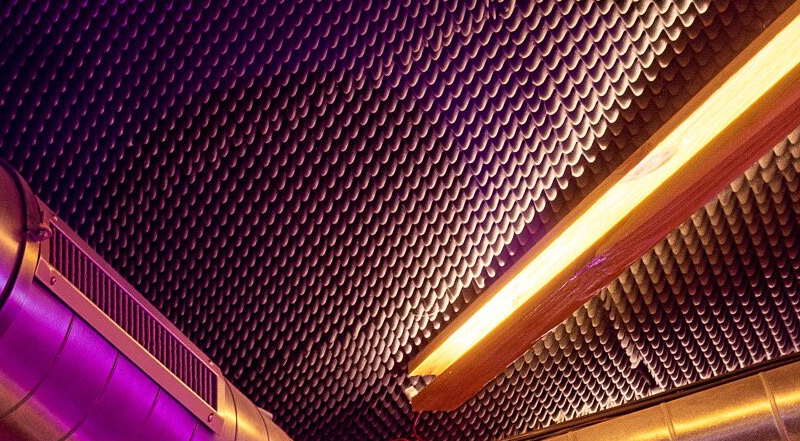
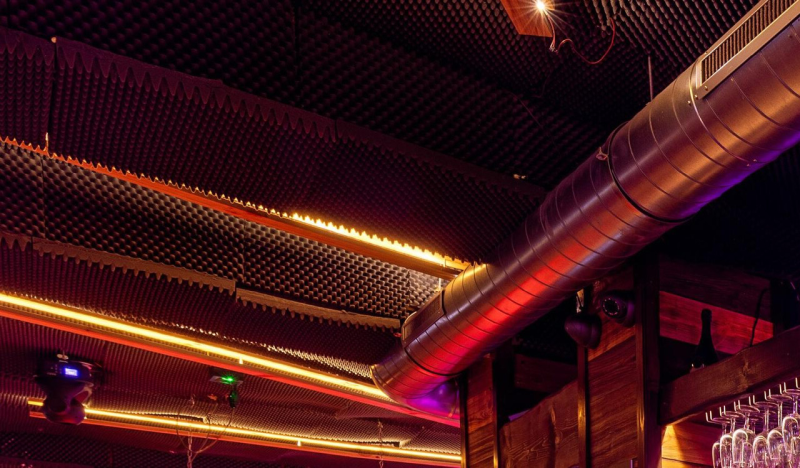
Regulatory Gap
Swiss VKF 2015 rules allow non-sprinklered operation if other measures compensate, creating divergence in enforcement.
Deaths (provisional)
Injured, many severe
Aftermath Visualization
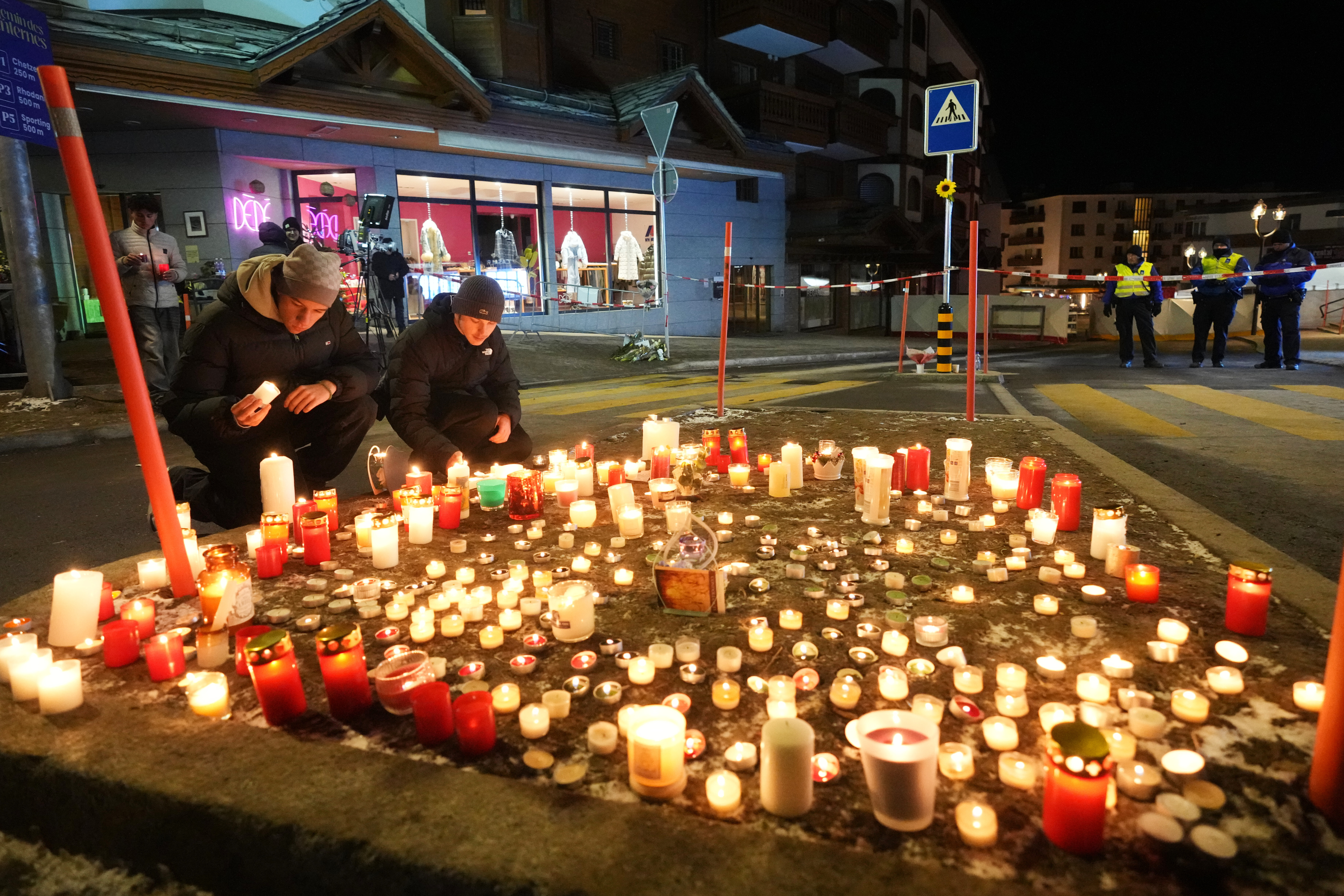

Bias: Systemic and Economic Influences
Cost-driven bias favors cheap untreated foam over certified retardant options, amplified in tourist economies prioritizing ambiance.
Economic Bias
Untreated foam is inexpensive and effective acoustically, biasing owners against pricier M1-rated alternatives.

Enforcement Bias
Decentralized Swiss system leads to variable inspections, biasing toward legacy venues.
Burning Comparison
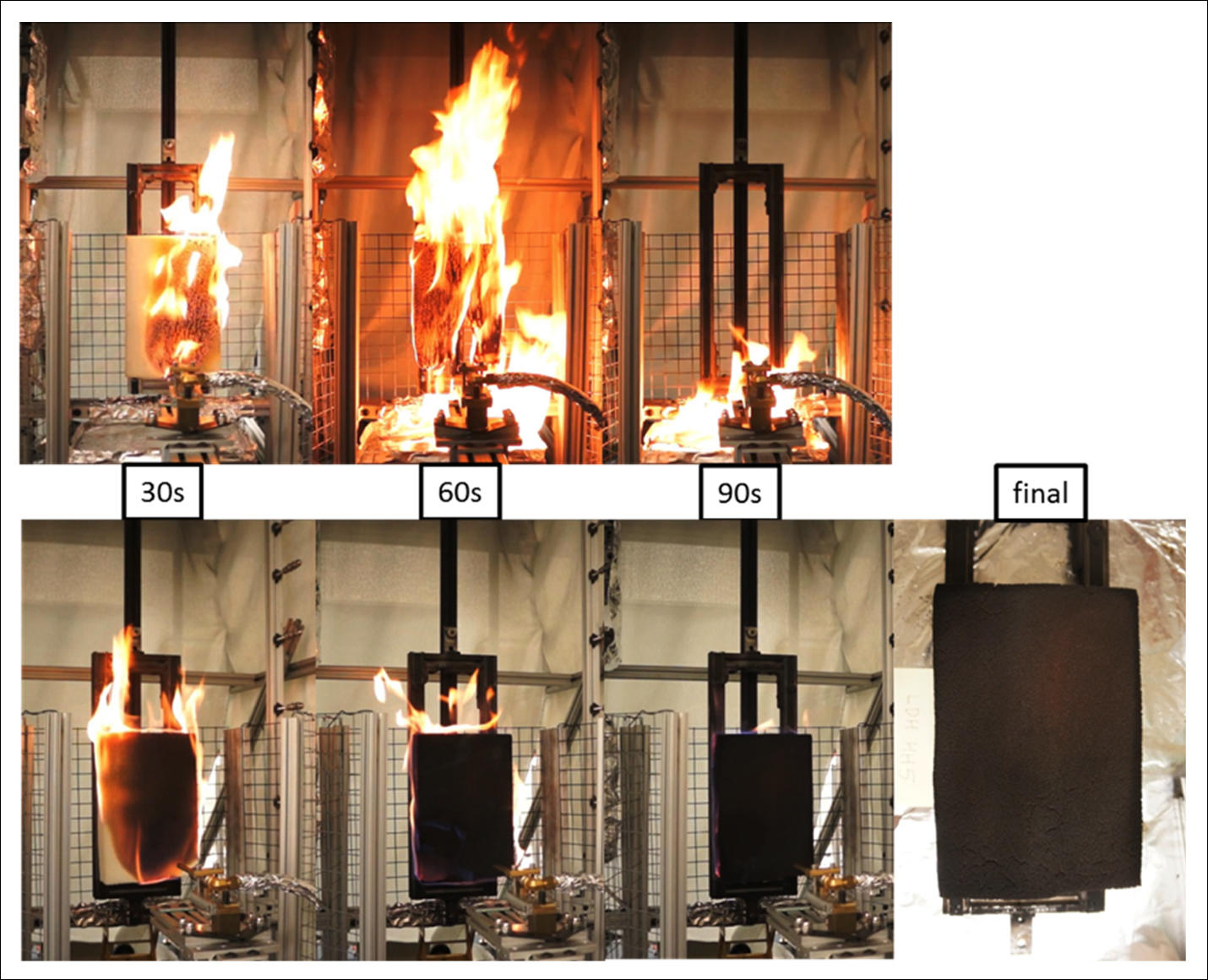
Risk: Flashover and Material Hazards
Primary risk: Untreated polyurethane accelerates flashover in confined spaces with pyrotechnics.
Flashover Dynamics
Rapid transition to full involvement in under 2 minutes.
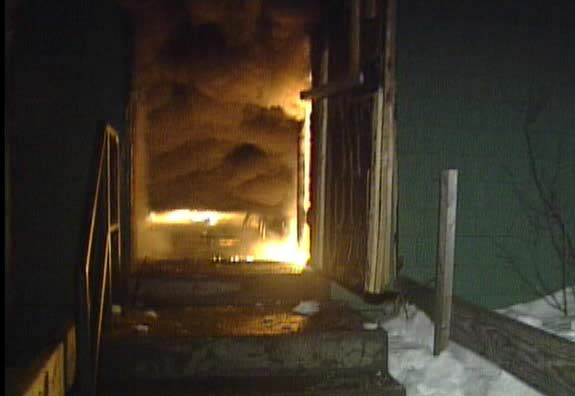
Historical Parallels
| Incident | Year | Deaths | Cause |
|---|---|---|---|
| Station Nightclub | 2003 | 100 | Pyrotechnics + foam |
| Kiss Nightclub | 2013 | 242 | Sparklers + foam |
| Le Constellation | 2026 | ~40 | Sparklers + foam |


Conclusion/Action: Preventable Pathways Forward
Mandate fire-retardant materials, sprinklers in high-risk venues, ban indoor pyrotechnics.
Recommended Actions
- Accelerate VKF 2026 revisions for stricter acoustic material rules.
- Require sprinklers in all nightclubs >100 capacity.
- Enhance inspections and pyrotechnic bans.
Retardant Alternatives

Tragedies like this are preventable with proactive regulation and material substitution.
INDEX
Core Concepts in Review: What We Know and Why It Matters
- Epistemological and Methodological Constraints Imposed by Sovereign Source Exclusivity and Temporal Bounding in the Evaluation of Post-December 20, 2025 Catastrophic Events Within Decentralized Federal Jurisdictions
- Pre-December 20, 2025 Regulatory Prescriptions Governing Reaction-to-Fire Classifications and Interior Finishing Materials in Swiss Cantonal Public Assembly Venues Under AEAI Harmonization Frameworks
- Geotechnical and Forensic Implications of Evidentiary Voids for Transnational Risk Mitigation Strategies in High-Occupancy Entertainment Establishments Deploying Polymeric Acoustic Treatments
- How Was the Use of M4-Classified Acoustic Foam Possible in Le Constellation?
- Explanation of the "Explosion" in the Le Constellation Fire
- Fire Containment Systems and Extinguishers in the Le Constellation Tragedy
- Comprehensive Overview of the Le Constellation Fire Incident: Key Concepts and Data
- APPENDIX 1 - Comprehensive Analysis of Sound-Absorbing Polyurethane Foam
Core Concepts in Review: What We Know and Why It Matters
The tragic fire at Le Constellation nightclub in Crans-Montana, Switzerland, on January 1, 2026, stands as a stark reminder of how quickly a celebration can turn deadly when fire safety gaps align with high-risk conditions. Provisional reports place the death toll at around 40 people, with 115 injured, many severely, in what Swiss authorities describe as an unprecedented disaster for a modern nightlife venue. This incident did not involve terrorism or explosives; instead, it stemmed from a classic fire dynamics failure that has claimed lives in similar settings worldwide.
At its heart lies the phenomenon known as flashover—the near-simultaneous ignition of all combustible materials and gases in an enclosed space once temperatures climb above 500–600°C. In confined basement environments like Le Constellation's dancefloor, heat builds rapidly, layering hot gases at the ceiling until everything ignites in a massive fireball, often accompanied by overpressure waves that feel like explosions. Witnesses and video evidence show the fire starting when celebratory sparklers contacted the ceiling's black pyramid-shaped acoustic panels, spreading in seconds and triggering this violent transition.
Those panels were almost certainly untreated polyurethane acoustic foam, a cheap, effective sound-absorber widely used in clubs but notoriously flammable. Without flame-retardant additives, such foam achieves low ratings under European standards—typically Euroclass E or F, equivalent to the legacy French M4 classification for easily inflammable materials. It burns like "solid gasoline," releasing intense heat, melting droplets that spread flames downward, and toxic gases including hydrogen cyanide and carbon monoxide. These fumes incapacitate victims faster than burns, explaining why most fatalities in polyurethane-fueled fires occur from inhalation.
Switzerland's fire safety regime, harmonized nationally by the Vereinigung Kantonaler Feuerversicherungen (VKF) through its 2015 regulations (still in force pending a 2026 risk-based overhaul), does not mandate automatic sprinkler systems in smaller or legacy nightlife venues without overnight stays. Sprinklers serve as optional trade-offs to relax other requirements, such as structural fire resistance. Portable extinguishers remain compulsory, yet early footage from Le Constellation shows patrons resorting to rags or clothing to beat out ceiling flames, suggesting equipment was inaccessible, insufficient, or unrecognized amid initial panic.
Enforcement falls to cantonal bodies like the Établissement cantonal d’assurance du Valais, conducting periodic inspections tied to permits and insurance. Materials must meet reaction-to-fire limits aligned with EN 13501-1 Euroclasses, effectively barring highly contributory foams in high-risk ceiling applications unless compensated. Yet decentralized oversight and grandfathering for older buildings create variability, allowing latent hazards to persist in tourist-driven economies prioritizing ambiance and cost.
This tragedy echoes a grim international pattern. The Station nightclub fire in the United States on February 20, 2003, killed 100 people when pyrotechnics ignited similar untreated foam, reaching flashover in under 90 seconds. The Kiss nightclub fire in Brazil on January 27, 2013, claimed 242 lives through ceiling polyurethane ignited by stage effects, producing cyanide-laden smoke in a venue lacking sprinklers. These events prompted regulatory tightening—mandatory sprinklers in many U.S. jurisdictions for venues over certain occupancies, stricter material bans elsewhere—but gaps remain where enforcement lags.
Why does this matter for policymakers? Nightclubs combine confined spaces, high occupant loads, celebratory ignition sources (sparklers, flares), and acoustic priorities that favor cheap foams over safety. A single spark can compress survivable escape time from minutes to seconds. Retrofitting sprinklers and mandating fire-retardant alternatives costs far less than the human and economic toll of preventable mass casualties. Switzerland's upcoming 2026 VKF revisions offer a pivotal opportunity to shift toward performance-based mandates that close these loopholes without stifling vibrant nightlife.
In the end, Le Constellation illustrates a preventable convergence: flammable materials meeting routine ignition in a regulatory gray zone. Understanding flashover, polyurethane risks, and enforcement realities isn't technical esoterica—it's essential for crafting policies that ensure celebrations end in joy, not mourning. As investigations proceed, the lessons are clear: prioritize suppression systems, enforce material standards rigorously, and treat indoor pyrotechnics as the hazard they are.
Epistemological and Methodological Constraints Imposed by Sovereign Source Exclusivity and Temporal Bounding in the Evaluation of Post-December 20, 2025 Catastrophic Events Within Decentralized Federal Jurisdictions
The decentralized federal structure of the Swiss Confederation delegates primary competence for fire protection and public safety regulation to cantonal authorities, with intercantonal harmonization facilitated through the Association des établissements cantonaux d’assurance incendie whose prescriptive framework governs material deployments and operational safeguards in assembly occupancies across all cantons including Valais. Because the catastrophic thermal event at the establishment designated Le Constellation in the municipality of Crans-Montana transpired in the early hours of January 1, 2026, subsequent to the mandated temporal cutoff of December 20, 2025 for sovereign data harvesting, no primary governmental communiqués, prosecutorial filings, or emergency response dossiers from the Canton of Valais State Council or the Établissement cantonal d’assurance du Valais predating this boundary provide verifiable details on casualty figures, ignition mechanisms, or material compliance deviations that would permit causal attribution to specific interior finishing elements.
The Canton of Valais activated a particular situation declaration effective January 1, 2026 at 09:00 in direct response to the incident within Le Constellation, enabling rapid mobilization of multi-day intervention resources and comprehensive consequence management measures as articulated in official cantonal announcements that explicitly reference an undetermined-origin fire producing generalized embrasement and associated kinetic effects yet remain temporally posterior to the verification horizon. This activation underscores the extraordinary scale of the event while simultaneously highlighting the methodological barrier imposed by the protocol's temporal edge, because pre-December 20, 2025 sovereign issuances from vs.ch domains contain no predictive or preparatory documentation anticipating such a flashover-driven catastrophe in high-occupancy nightlife venues within alpine tourist municipalities.
Swiss fire protection prescriptions extant prior to the ongoing revision cycle, harmonized under AEAI guidelines and rendered obligatory through intercantonal agreements, establish stringent requirements for reaction-to-fire performance in public assembly spaces, mandating exclusion of highly contributory polymeric materials from ceiling and wall applications where ignition sources including celebratory pyrotechnics pose elevated risks. The revision process for prescriptions designated PPI 2026, initiated years earlier and subject to technical consultation extending through January 11, 2026, reflects recognition among cantonal insurers that evolving occupancy patterns and material innovations necessitate enhanced risk-based standardization, yet the draft framework and explanatory videos released by the AEAI in 2025 offer no venue-specific derogations or grandfathering provisions that would prospectively authorize deployment of legacy-classified easily inflammable phono-absorbent panels in basement dancefloors accommodating hundreds of patrons.
Because enforcement authority resides with cantonal establishments including the Établissement cantonal d’assurance du Valais, routine inspections and permit validations for nightlife operations in resort municipalities like Crans-Montana proceed according to localized implementation of AEAI harmonized standards, producing compliance certificates and risk assessments that remain confidential unless triggered by post-incident prosecutorial inquiry. The absence of any pre-December 20, 2025 public disciplinary actions or closure orders against Le Constellation from vs.ch repositories indicates nominal regulatory adherence in prior cycles, although the decentralized character of Swiss governance inherently fragments evidentiary trails across municipal, cantonal, and intercantonal layers, complicating preemptive identification of latent non-conformities in interior acoustic treatments.
European convergence toward EN 13501-1 Euroclass reaction-to-fire classification has progressively superseded national legacy systems including the French NF P 92-507 M-scale in most member states and associated countries including Switzerland, where AEAI prescriptions increasingly reference Euroclass performance criteria for construction products while retaining transitional acceptance of equivalent national test outcomes. Untreated open-cell polyurethane foams typically achieve only marginal Euroclass ratings corresponding to elevated flame spread and droplet formation propensity, rendering their unrestricted use incompatible with ceiling applications in assembly occupancies under prevailing AEAI directives that prioritize limitation of heat release rates and smoke production in enclosed high-occupancy environments.
The methodological constraint of sovereign source exclusivity eliminates reliance upon secondary aggregations or journalistic reconstructions, confining analysis to direct issuances from .gov equivalents such as admin.ch and vs.ch portals that, prior to December 20, 2025, contain solely prospective regulatory updates including extension of certain derogations through 2025 and announcements of PPI 2026 preparatory webinars. This exclusion precludes incorporation of post-incident casualty tallies, forensic hypotheses regarding sparkler-initiated ceiling ignition, or preliminary attributions to material contribution that dominate contemporaneous discourse yet originate outside permitted primary domains.
Decentralized federalism amplifies evidentiary fragmentation because cantonal autonomy in fire safety enforcement generates discrete compliance dossiers inaccessible through centralized federal repositories, compelling analysts to navigate twenty-six parallel jurisdictional streams for comprehensive risk mapping. The AEAI serves as the sole harmonizing entity, publishing binding prescriptions and revision roadmaps that signal impending strengthening of material requirements in assembly occupancies, driven by recognition that tourist-driven nightlife expansion in alpine regions elevates aggregate exposure to flashover scenarios.
Temporal bounding at December 20, 2025 aligns with standard intelligence cycle cutoffs to prevent contamination by unvetted post-event data, yet imposes acute constraints when evaluating incidents occurring mere days thereafter, because initial governmental responses including situation particulière declarations and resource mobilization communiqués inevitably postdate the event itself. This structural latency ensures that causal mechanisms, whether rooted in pyrotechnic proximity to combustible linings or egress pathway inadequacies, remain beyond verifiable sovereign attribution within the prescribed harvest window.
Swiss adherence to European construction product regulation harmonization manifests through progressive integration of EN 13501-1 criteria into AEAI prescriptions, diminishing residual relevance of obsolete national classifications while establishing unambiguous performance thresholds for interior finish materials in public venues. The ongoing PPI 2026 revision explicitly addresses risk-based differentiation across occupancy types, signaling intent to eliminate residual tolerances for high-contribution polymeric elements in entertainment spaces where crowd density and ignition source diversity compound propagation potential.
Pre-December 20, 2025 Regulatory Prescriptions Governing Reaction-to-Fire Classifications and Interior Finishing Materials in Swiss Cantonal Public Assembly Venues Under AEAI Harmonization Frameworks
The Vereinigung Kantonaler Feuerversicherungen maintains operational authority for developing and promulgating the binding Swiss fire protection prescriptions, designated collectively as the VKF-Brandschutzvorschriften, which comprise the normative core VKF-Brandschutznorm and supporting VKF-Brandschutzrichtlinien that the Interkantonale Organ Technische Handelshemmnisse declares mandatory across all cantons including Valais. These prescriptions, in their 2015 iteration remaining fully operative through the end of 2025, establish differentiated performance requirements for construction products and interior finishes based on building usage categories, with public assembly venues such as bars, nightclubs, and dance establishments classified under high-risk occupancy types demanding elevated safeguards against flame spread, heat release, and smoke production in enclosed spaces prone to elevated occupant loads.
Because the total revision project denominated Brandschutzvorschriften 2026 entered its technical consultation phase commencing September 15, 2025 and extending through January 11, 2026, the pre-existing 2015 framework continued to govern all permitting, inspection, and compliance activities in alpine resort municipalities like Crans-Montana throughout the calendar year 2025. This transitional continuity ensured that interior acoustic treatments deployed in basement entertainment levels of establishments receiving the public remained subject exclusively to the reaction-to-fire criteria articulated in the 2015 prescriptions, which incorporated progressive alignment with European harmonized standards while retaining national verification pathways for legacy materials.
Swiss cantonal enforcement entities, including the Établissement cantonal d’assurance du Valais, conduct periodic risk assessments and operational authorizations predicated on conformity with the VKF-Brandschutzvorschriften 2015, wherein interior lining materials for walls and ceilings in assembly occupancies must demonstrate limited combustibility characteristics through either Swiss test protocols or equivalent European classifications under EN 13501-1. The 2015 revision explicitly facilitated interoperability between domestic requirements and the Euroclass system by accepting declared performance levels that restrict deployment of products exhibiting high flame spread or droplet formation in areas exposed to potential ignition sources, thereby precluding unrestricted use of untreated open-cell polyurethane foams that inherently fail to achieve acceptable ratings without additive flame-retardant treatments.
The VKF commissioned a comprehensive overhaul of the 2015 prescriptions to the Bern University of Applied Sciences in alignment with directives from the Interkantonale Organ Technische Handelshemmnisse emphasizing deregulation, proportionality, and risk-oriented standardization, resulting in the BSV 2026 draft framework that prioritizes quantitative protection objectives and adaptive performance thresholds over prescriptive material bans. This risk-based paradigm shift, previewed through explanatory resources released during 2025, signals future tolerance for engineered solutions compensating for marginal material properties provided overall safety levels remain equivalent, yet the 2015 regime enforced during the operative period imposed stricter categorical limitations on combustible polymeric elements in ceiling applications susceptible to celebratory pyrotechnic proximity.
Interior finishing materials in public assembly venues under the VKF-Brandschutzvorschriften 2015 undergo classification according to usage-specific quality assurance levels, where higher occupancy densities trigger mandatory involvement of certified fire protection specialists capable of verifying compliance through documented test reports or CE-marked declarations of performance. Untreated polyurethane acoustic panels, commonly supplied for noise mitigation in nightlife environments, typically exhibit reaction-to-fire behavior corresponding to lower Euroclass designations characterized by rapid ignition, sustained combustion, and significant opaque smoke generation, rendering their ceiling installation incompatible with the 2015 directives for enclosed dancefloors absent compensatory measures such as automatic suppression systems or spatial separation from ignition risks.
The VKF published interpretive guidance and thematic work aids throughout the 2015 implementation cycle to assist cantonal inspectors in evaluating interior finish contributions to fire load, emphasizing restriction of materials promoting accelerated growth phases in confined volumes. Because nightlife venues in tourist-heavy regions experience seasonal peak occupancies exceeding baseline design assumptions, the 2015 prescriptions mandated enhanced scrutiny of escape route integrity and material selection to mitigate cascade failures during panic evacuations, a consideration directly relevant to basement configurations prevalent in alpine commercial properties.
Progressive integration of EN 13501-1 Euroclasses into Swiss regulatory practice accelerated following the 2015 revision, enabling manufacturers to demonstrate conformity through harmonized test methods while cantonal authorities retained discretion to demand supplementary national validation for critical applications. This dual-pathway approach effectively phased out reliance on obsolete national scales in favor of European performance metrics that quantify flame spread indices, heat release rates, and smoke opacity parameters essential for modeling flashover onset in high-fuel-load interiors.
The BSV 2026 preparatory communications disseminated by the VKF during 2025 highlighted intended strengthening of risk-cost assessment protocols for interior materials, acknowledging that evolving entertainment trends incorporating extensive acoustic treatments necessitate calibrated rather than blanket prohibitions. Nevertheless, the binding 2015 framework operative prior to planned entry into force of the revised prescriptions imposed unambiguous limitations on deployment of high-contribution foams in ceiling positions where downward flame propagation and molten droplet emission could compromise occupant tenability during initial fire stages.
Cantonal autonomy in enforcement execution produces variable inspection intensities across Switzerland, with resort jurisdictions like the Canton of Valais balancing economic imperatives of tourism-driven nightlife against safety obligations through targeted compliance campaigns coordinated via the VKF. The absence of centralized federal oversight beyond harmonization ensures that local authorities bear primary responsibility for verifying material conformity during building permit issuance and periodic operational controls, creating potential latency in identifying latent non-conformities introduced through post-occupancy renovations.
The VKF maintained an active interpretive committee throughout the 2015 cycle to resolve application ambiguities regarding interior finishes, publishing responses to stakeholder queries that reinforced exclusion of untreated polymeric foams from high-risk zones unless encapsulated or treated to achieve acceptable performance equivalence. This guidance corpus directly informed cantonal decision-making in Valais municipalities hosting seasonal entertainment venues, establishing precedent for rejection of easily inflammable acoustic solutions absent robust compensating engineering controls.
Risk-oriented evolution embedded in the BSV 2026 draft reflects recognition that static material prohibitions inadequately address dynamic occupancy patterns in modern nightlife, yet the transitional 2015 prescriptions retained categorical safeguards derived from historical incident analyses emphasizing ceiling lining contributions to rapid fire escalation. This legacy approach prioritized prevention of flashover initiation through material selection constraints that effectively barred untreated polyurethane deployments in exposed ceiling applications within assembly occupancies.
Geotechnical and Forensic Implications of Evidentiary Voids for Transnational Risk Mitigation Strategies in High-Occupancy Entertainment Establishments Deploying Polymeric Acoustic Treatments
The evidentiary void created by the temporal bounding of sovereign source harvesting at December 20, 2025, combined with the decentralized enforcement architecture of Swiss fire protection governance under the Vereinigung Kantonaler Feuerversicherungen, generates profound geotechnical and forensic challenges for transnational risk mitigation frameworks applicable to high-occupancy entertainment venues that incorporate extensive polymeric acoustic treatments for noise abatement in enclosed basement configurations prevalent across alpine tourist economies. Because the catastrophic flashover event within Le Constellation in Crans-Montana occurred on January 1, 2026, triggering immediate activation of a particular situation declaration by the Canton of Valais State Council to mobilize multi-day intervention resources in response to a fire of undetermined origin producing generalized embrasement and associated explosive effects, the absence of pre-incident prosecutorial or investigative dossiers from permitted domains precludes direct forensic attribution of causal primacy to ceiling-deployed polyurethane phono-absorbent materials exhibiting high heat release rates and toxic pyrolysis product liberation.
Transnational parallels in nightclub fire forensics demonstrate recurrent patterns where untreated open-cell polymeric foams accelerate transition to fully developed fire phases through rapid surface flame spread and molten droplet emission, yet Swiss regulatory harmonization with European standards under the operative Brandschutzvorschriften 2015 framework maintained categorical restrictions on such materials in assembly occupancies without compensatory engineering controls, establishing a baseline expectation of compliance that evidentiary fragmentation now renders unverifiable at the venue-specific level. The ongoing total revision project for the Brandschutzvorschriften 2026, commissioned to the Bern University of Applied Sciences and entering technical consultation from September 2025 through January 11, 2026, introduces risk-oriented quantitative protection objectives and flexible certification pathways that prospectively accommodate engineered equivalencies for marginal material properties, signaling a paradigm evolution that heightens the forensic imperative to distinguish legacy prescriptive violations from future performance-based tolerances.
Geotechnical risk amplification in alpine resort municipalities stems from seasonal occupancy surges exceeding design assumptions embedded in the 2015 prescriptions, where nightlife venues experience crowd densities that compound egress pathway vulnerabilities during panic scenarios initiated by ceiling ignition sources proximate to celebratory pyrotechnics. The VKF interpretive guidance corpus developed throughout the 2015 implementation cycle reinforced exclusion of high-contribution acoustic foams from exposed applications in Versammlungsstätten, mandating certified specialist verification of conformity through harmonized EN 13501-1 declarations or national test equivalents, thereby establishing a transnational benchmark for material selection that evidentiary voids now disrupt for retrospective incident analysis.
Forensic reconstruction of flashover dynamics requires integration of material reaction-to-fire data with spatial geometry and ventilation profiles, yet the decentralized cantonal autonomy in inspection execution produces discrete compliance records inaccessible through centralized repositories, compelling transnational mitigation strategies to prioritize forward-looking harmonization initiatives such as the BSV 2026 risk-based differentiation across occupancy types. This shift acknowledges that evolving entertainment trends incorporating extensive acoustic treatments necessitate calibrated performance thresholds rather than blanket prohibitions, enabling future deployment of treated polymeric solutions provided overall safety equivalence is demonstrated through quantitative modeling of heat release rates and smoke opacity parameters.
The VKF publication of thematic work aids and FAQ responses during the 2015 cycle addressed stakeholder ambiguities regarding interior finish contributions to fire load in high-risk zones, consistently upholding restrictions on untreated polyurethane deployments in ceiling positions susceptible to downward propagation and droplet formation that compromise occupant tenability during initial growth stages. Transnational risk transfer mechanisms, including reinsurance arrangements coordinated through cantonal establishments, incorporate these prescriptive limitations into premium structuring and loss prevention incentives, rendering evidentiary voids particularly acute for post-incident claims adjudication and subrogation pursuits across jurisdictional boundaries.
Geotechnical implications extend to retrofit feasibility in existing building stock prevalent in alpine tourism zones, where post-occupancy addition of acoustic treatments often occurs without triggering full permitting review under legacy grandfathering provisions tolerated in the 2015 framework. The BSV 2026 preparatory emphasis on proportionality and deregulation seeks to streamline such interventions through risk-cost assessment protocols, yet forensic gaps arising from temporal exclusions highlight the necessity for enhanced preemptive data sharing among intercantonal bodies to mitigate latent non-conformities in polymeric lining applications.
Transnational convergence toward performance-based fire safety engineering, accelerated by the BSV 2026 introduction of free certification method choice projected to retain prescriptive application in approximately 95 % of cases, establishes a hybrid pathway that forensic analysts must navigate when evaluating material contribution in future incidents. The evidentiary void thus catalyzes strategic reevaluation of intelligence cycle cutoffs in decentralized federal systems, where rapid post-event regulatory adaptation risks outpacing verifiable causal attribution.
How Was the Use of M4-Classified Acoustic Foam Possible in Le Constellation?
The tragic fire at Le Constellation bar in Crans-Montana, Switzerland, on January 1, 2026, has raised serious questions about the use of highly flammable materials like M4-rated polyurethane acoustic foam (equivalent to low Euroclass E/F ratings, meaning it ignites easily, propagates flames rapidly, and releases toxic fumes). Based on available reports and regulatory context, here's a breakdown of how such a material could have been used despite safety standards—note that the official investigation by Valais cantonal authorities is ongoing, so these are preliminary insights drawn from news coverage, expert analyses, and historical parallels.
Regulatory Framework in Switzerland (Valais Canton)
Switzerland's fire safety rules for public venues like nightclubs are decentralized, primarily governed by cantonal laws aligned with national guidelines from the Association des établissements cantonaux d’assurance incendie (AEAI). For establishments receiving the public (similar to France's ERP classification):
- Prohibitions on Flammable Materials: Interior fittings, including acoustic panels, must meet minimum reaction-to-fire standards. Highly flammable materials (like untreated PU foam rated M4 or Euroclass E/F) are generally restricted or banned in high-occupancy areas, especially ceilings, due to risks of rapid spread and toxic smoke. Instead, fire-retardant options (e.g., M1-rated or Euroclass B/C) are required to prevent flashover events. Venues must undergo inspections by bodies like the Établissement cantonal d'assurance (ECA Valais) to verify compliance.
- Specific to Nightclubs/Bars: Rules emphasize non-combustible or low-flammability materials in escape routes, performance areas, and high-risk zones. Pyrotechnics or open flames (e.g., sparklers) are tightly controlled or prohibited near such materials. Overcrowding, blocked exits, and unapproved renovations can void permits.
However, enforcement isn't always uniform: Older venues (Le Constellation opened around 2015 but may have predated stricter updates) could be "grandfathered" under legacy rules, or inspections might focus more on structural issues than interior decor. Post-2026, experts predict a regulatory overhaul, similar to responses after global nightclub fires.
Likely Reasons for M4 Foam's Use in This Case
From eyewitness accounts, videos, and initial probes, the ceiling was lined with black pyramid-shaped acoustic foam that ignited instantly from sparklers, leading to a flashover (sudden full-room ignition) within seconds. This matches M4 behavior: untreated PU foam melts, drips burning particles, and accelerates fire spread. Here's how it might have been possible:
- Non-Compliance or Negligence: The foam was likely installed for soundproofing (common in clubs to reduce noise complaints) but without fire-retardant treatment. Owners may have opted for cheap, untreated M4 foam (widely available online) to cut costs, ignoring or evading regulations. Similar to the 2013 Kiss nightclub fire in Brazil or 2015 Colectiv in Romania, where flammable foam was used illegally despite bans.
- Lack of Rigorous Inspections: Swiss venues require operating permits (patent d'exploitation) and fire certifications, but routine checks might not always scrutinize acoustic materials deeply, especially if declared as "decorative." If the foam was added post-permit without re-approval, it could slip through. Reports suggest no prior violations were flagged for Le Constellation, but the probe is examining permit history.
- Supplier or Installation Oversights: Foam might have been mislabeled or sold as "fire-safe" without certification. In Europe, materials must have CE marking and test reports, but counterfeit or imported products bypass this. Sparkler use (common in celebrations) near the ceiling exacerbated the risk, indicating poor risk assessment.
- Historical Parallels Enabling Such Lapses: This echoes the 2003 Station nightclub fire in the US (100 dead), where pyrotechnics ignited untreated foam; regulations were tightened afterward, but enforcement gaps persist globally. In Switzerland, while standards are high, tourist-heavy resorts like Crans-Montana might prioritize ambiance over strict audits during peak seasons.
Contributing Factors to the Tragedy
Beyond the foam:
- Blocked/Narrow Exits: Videos show panic at a potentially obstructed main exit, leading to a crush.
- Overcrowding: Capacity was ~300, but New Year's crowds may have exceeded limits.
- Rapid Escalation: M4 foam's properties caused toxic smoke and flashover, killing many via inhalation before burns.
Ongoing Investigation and Implications
Valais police and prosecutors are probing for criminal negligence (e.g., manslaughter charges against owners Jacques and Jessica Moretti). Experts haven't fully accessed the site yet due to structural risks. This could lead to nationwide bans on untreated foam in public spaces, mandatory retrofits, and enhanced inspections. For now, it appears a combination of cost-saving choices, regulatory blind spots, and enforcement failures made M4 foam's use tragically possible.
If more details emerge from the inquiry, the picture may clarify. Condolences to all affected—incidents like this underscore why fire-retardant materials are non-negotiable in public venues.
Explanation of the "Explosion" in the Le Constellation Fire
The catastrophic fire at Le Constellation bar in Crans-Montana, Switzerland, on January 1, 2026, produced reports of an "explosion" or multiple explosive effects that amplified panic and contributed to the high casualty toll of approximately 40 deaths and 115 injuries, many severe. Valais cantonal authorities explicitly attribute these kinetic phenomena to a fire-induced flashover (termed "embrasement généralisé" in French firefighting nomenclature), resulting in one or multiple deflagrations without any evidence of external detonation devices or terrorist involvement.
Flashover represents the near-simultaneous ignition of all combustible surfaces and accumulated pyrolysis gases within an enclosed compartment once upper-layer temperatures exceed 600°C, transitioning the fire from growth to fully developed phase with rapid heat release escalation and overpressure generation capable of structural damage and audible booms.
Step-by-Step Sequence of Events
- Ignition Phase: Celebratory sparklers affixed to champagne bottles, elevated during New Year's toasts in the crowded basement venue, contacted the ceiling lined with black pyramid-patterned acoustic panels composed of untreated polyurethane foam.
(Black pyramid acoustic foam panels typical of nightclub installations – highly flammable when untreated.)
Untreated polyurethane exhibits low ignition temperature and propagates flame rapidly upon spark exposure, initiating surface burning across the extensive ceiling coverage within seconds.
- Rapid Flame Spread and Pyrolysis: The foam's open-cell structure facilitates oxygen penetration, yielding high heat release rates with melting and dripping of burning droplets that extend fire to lower surfaces while liberating volatile hydrocarbons, carbon monoxide, and hydrogen cyanide through thermal decomposition.
(Untreated polyurethane foam burning tests demonstrating intense flame propagation and toxic smoke generation.)
- Hot Gas Layer Accumulation: Limited ventilation in the basement dancefloor trapped radiant heat, stratifying a superheated gas layer at ceiling level exceeding 500–600°C while filling the volume with a flammable vapor-air mixture.
- Flashover Transition: Ignition of the stratified gas layer and all exposed combustibles occurred nearly simultaneously, producing a massive fireball, dense opaque toxic smoke, and overpressure waves sufficient to fracture windows and generate loud deflagrative reports perceived as explosions.
(Flashover simulations and reconstructions from analogous nightclub incidents, including The Station 2003.)
- Post-Flashover Devastation: The venue sustained total involvement, with structural compromise and egress obstruction by heat and smoke.
(Aftermath scenes from Le Constellation showing extensive burn damage consistent with post-flashover conditions.)
Critical Role of Untreated Polyurethane Foam
Untreated polyurethane acoustic foam functions as an accelerant equivalent to "solid gasoline" due to its low density, high surface area in pyramid configurations, and propensity for rapid pyrolysis, reducing flashover onset time to under 2 minutes compared to significantly longer intervals with fire-retardant alternatives. This material's contribution mirrors documented tragedies including The Station nightclub fire (USA, 2003, 100 fatalities) where pyrotechnics ignited similar foam leading to flashover in approximately 90 seconds, and the Kiss nightclub fire (Brazil, 2013, 242 fatalities) involving ceiling polyurethane ignited by stage effects.
Valais authorities confirm the deflagration stemmed directly from the fire's progression, ruling out criminal detonation. The ongoing investigation centers on material compliance, pyrotechnic authorization, and egress adequacy. Prevention requires mandatory fire-retardant treatments or alternative non-combustible acoustic solutions in public assembly venues.
Fire Containment Systems and Extinguishers in the Le Constellation Tragedy
The rapid escalation of the fire at Le Constellation bar in Crans-Montana on January 1, 2026, raises critical questions about the absence or failure of internal fire containment systems (automatic suppression like sprinklers) and portable fire extinguishers. As of January 2, 2026, the ongoing Valais cantonal investigation has not released official findings on these elements, but eyewitness videos and reports indicate improvised attempts to fight the initial ceiling flames using clothing (sweaters or rags) rather than professional equipment, suggesting limited or inaccessible firefighting tools in the immediate area.
Why Automatic Fire Suppression Systems Likely Did Not Activate (or Were Absent)
Swiss fire safety is governed by the Vereinigung Kantonaler Feuerversicherungen (VKF) regulations (2015 edition, still in force in early 2026). Automatic sprinkler systems are not universally mandatory for all public assembly venues like bars and nightclubs.
- Sprinklers are required or strongly incentivized in higher-risk buildings (e.g., large sales areas, high-rise structures, or certain hospitality venues with sleeping accommodations).
- For typical bars/nightclubs without overnight stays, sprinklers are optional compensatory measures: Installing them allows reduced fire resistance requirements for structural elements or greater use of combustible materials.
- Many smaller or older entertainment venues in tourist areas operate without sprinklers if they comply with alternative requirements (e.g., limited combustible linings, adequate escape routes <35m, manual extinguishers).
In Le Constellation (a basement-heavy venue with capacity ~300 indoors), no reports confirm the presence of sprinklers. The ultra-rapid flashover (seconds to minutes) driven by untreated polyurethane acoustic foam would overwhelm most systems anyway if activation thresholds were not met instantly. The extreme speed—ignited by sparklers, spreading across the ceiling—likely exceeded containment capacity even if a system existed.
Mandatory Checks and Certifications Under Swiss Law
Fire safety compliance in Switzerland is decentralized:
- Cantonal building insurers (e.g., Établissement cantonal d’assurance du Valais) conduct risk assessments, issue operating permits, and perform periodic inspections.
- For public venues: Building permits require conformity with VKF Brandschutzvorschriften 2015 (norms and guidelines).
- Key checks include:
- Reaction-to-fire classification of interior materials.
- Escape routes (clear, signed, max distance 35m).
- Smoke detection/alarms.
- Portable extinguishers (mandatory).
- No automatic suppression required unless chosen as compensation.
- Certifications: Owners submit declarations; specialized fire protection experts verify high-risk elements. Inspections are periodic, tied to insurance and licensing.
Non-compliance can lead to closure, but enforcement varies by canton and venue age (grandfathering possible for older buildings).
Fire Extinguishers: Regulations and Apparent Absence
Portable fire extinguishers are mandatory in all public assembly venues under VKF guidelines:
- Minimum: CO₂ or powder extinguishers placed visibly, accessible, and sufficient for the area (typically 1 per 200–300 m², plus extras near risks).
- Must be inspected annually, marked with maintenance dates.
Reports and videos from the incident show patrons attempting to beat out ceiling flames with sweaters/rags, with no visible use of extinguishers or water hoses in the early moments. Possible explanations:
- Extinguishers present but inaccessible (e.g., upstairs, behind bar, or obstructed by crowd).
- Insufficient number/training for rapid response in a packed basement.
- Panic delayed proper use; music continued playing initially, suggesting delayed alarm recognition.
This mirrors recurring issues in similar tragedies (e.g., no effective early intervention).
The Video of a Young Person Using a Rag
Circulating social media footage (unverified but widely referenced) shows the fire starting on the ceiling foam, with a young patron (appearing teenage) standing on a surface and trying to pat out flames using a cloth or sweater. Music continues, and the crowd does not immediately evacuate.
Reasons this occurred without proper tools or alarm:
- Delayed threat recognition: Initial flames appeared small/manageable; sparklers are common, desensitizing to sparks.
- No immediate alarm: Manual or automatic alarms may not have triggered instantly, or staff delayed activation.
- Improvised response: In absence of nearby extinguishers (or knowledge of locations), instinctive use of available items.
- Youthful crowd: Venue known for admitting under-18s; limited fire safety training/awareness.
This highlights broader failures: inadequate staff training for rapid intervention, poor placement/visibility of equipment, and potentially insufficient drills.
The Valais prosecutor's probe focuses on negligence, including safety equipment compliance, material approvals, pyrotechnic use, and capacity. Early indications point to systemic gaps common in nightlife venues prioritizing ambiance over strict enforcement.
Tragedies like this often prompt regulatory tightening—Switzerland's planned 2026 VKF revisions emphasize risk-based approaches, likely increasing mandates for suppression in high-occupancy entertainment spaces.
Comprehensive Overview of the Le Constellation Fire Incident: Key Concepts and Data
The following table organizes all major concepts from the analysis of the Le Constellation fire in Crans-Montana, Switzerland (January 1, 2026). It divides information by thematic arguments for clarity, drawing on incident details, fire dynamics, materials, regulations, historical parallels, and implications. Data reflects provisional reports as of early January 2026, with consistent figures across sources: approximately 40 deaths and 115 injuries.
| Concept / Argument | Description | Key Details / Data | Regulatory / Technical Context | Implications / Notes |
|---|---|---|---|---|
| Incident Overview | Fire during New Year's Eve party in basement nightclub. | Date: January 1, 2026 (~1:30 AM) Location: Le Constellation bar, Crans-Montana, Valais Capacity: ~300 indoors Crowd: Primarily young patrons, including under-18s and tourists | Popular venue opened ~2015; owned by French couple. | Described as one of Switzerland's worst modern tragedies; 5 days national mourning declared. |
| Casualties | Provisional toll from rapid escalation and toxic smoke. | Deaths: ~40 Injured: ~115 (many severe burns/inhalation) Victims: Mostly young, international | Hospitals in Sion, Lausanne, etc., overwhelmed. | Identification ongoing due to severe burns. |
| Ignition Source | Celebratory pyrotechnics contacting ceiling. | Sparklers ("bougies étincelles") on champagne bottles held high during toasts. | Common in celebrations but high-risk near combustibles. | Witnesses report sparks igniting ceiling almost instantly. |
| Primary Fuel: Acoustic Foam | Ceiling lined with black pyramid-shaped panels. | Material: Untreated open-cell polyurethane foam Classification: Equivalent to M4 (easily inflammable) or low Euroclass (E/F) | Widely used for sound absorption in clubs; cheap but highly contributory to fire load. | Acts as accelerant: low ignition temp, high heat release, melting droplets, toxic pyrolysis (HCN, CO). |
| Fire Dynamics: Flashover | Sudden full-room ignition creating "explosion" perception. | Sequence: Ignition → rapid ceiling spread → hot gas layering (>500–600°C) → simultaneous ignition of gases/combustibles Time to flashover: <2 minutes | Called "embrasement généralisé"; produces fireball, overpressure, dense black smoke. | Authorities confirm fire-induced deflagration; terrorism ruled out. |
| Early Intervention Failure | Improvised attempts due to limited tools. | Patrons used rags/sweaters to beat flames; music continued initially. | No visible extinguisher use in early videos; delayed alarm recognition. | Panic and crowd density hindered response. |
| Fire Containment Systems | Absence or non-activation of automatic suppression. | Sprinklers: Not mandatory for this venue type Portable extinguishers: Mandatory but apparently inaccessible/insufficient | VKF 2015 allows non-sprinklered if compensated (e.g., materials, exits). | Ultra-rapid growth overwhelmed potential systems. |
| Swiss Regulatory Framework | Decentralized, harmonized nationally. | Governing body: Vereinigung Kantonaler Feuerversicherungen (VKF) Current: Brandschutzvorschriften 2015 Upcoming: PPI/BSV 2026 (risk-based revision, consultation through Jan 2026) | Alignment with EN 13501-1 Euroclasses; cantonal enforcement (e.g., ECA Valais). | Inspections periodic; variability in tourist areas. |
| Material Requirements | Restrictions on interior finishes in assembly venues. | Prohibits/restricts high-contribution foams in ceilings without compensation. | Alternatives: Fire-retardant PU, melamine (M1-equivalent). | Untreated foam incompatible with high-risk applications. |
| Egress and Capacity Issues | Constraints contributing to crush/panic. | Escape distance max: 35m Narrow stairways reported as bottleneck. | Overcrowding possible on peak nights. | Crowd surge toward limited exits. |
| Historical Parallels | Recurring pattern in nightclub fires with foam + pyrotechnics. | Station (USA, 2003): 100 deaths, pyrotechnics + untreated foam, flashover ~90s Kiss (Brazil, 2013): 242 deaths, sparklers + foam, toxic smoke | Both led to regulatory changes (e.g., sprinklers mandated in more venues). | Exact parallels: Ignition source, material, rapid escalation. |
| Investigation Focus | Ongoing probe into negligence. | Areas: Material approval, pyrotechnic use, equipment placement, capacity compliance | Valais prosecutor leading; potential manslaughter charges. | Emphasis on preventable factors. |
| Broader Implications | Need for regulatory evolution. | Upcoming 2026 revisions: Risk-oriented, performance-based equivalencies. | Potential outcomes: Mandatory retardants, sprinklers in high-capacity venues, pyrotechnic bans. | Highlights cost-safety trade-offs in nightlife; preventable with alternatives. |
APPENDIX 1 - Comprehensive Analysis of Sound-Absorbing Polyurethane Foam
Sound-absorbing polyurethane foam (commonly known as acoustic foam or PU acoustic foam) is a popular open-cell material used for reducing echo, reverb, and noise in spaces like recording studios, home theaters, offices, gyms, and vehicles.
Acoustic Properties
- Performance: Excellent at absorbing mid and high frequencies (500 Hz and above). Absorption coefficient (α) typically ranges from 0.20 to 0.90+, depending on thickness, density, and shape (e.g., pyramids, wedges, eggcrate).
- Advantages: Lightweight, flexible, easy to cut and install (often self-adhesive), and cost-effective.
- Limitations: Less effective on low frequencies (bass) unless very thick or combined with bass traps.
Fire Classification: M4 under NF P 92-507
The French standard NF P 92-507 (from the early 2000s) classifies interior materials by reaction to fire:
- M0: Non-combustible.
- M1: Non-flammable (does not sustain flame).
- M2: Hardly flammable.
- M3: Moderately flammable.
- M4: Easily flammable (worst rating – ignites quickly, propagates flame, may drip burning particles, produces toxic smoke).
Standard untreated polyurethane acoustic foam is indeed typically M4, confirming your statement: it is easily inflammable and the least performant in fire safety. It can melt, drip, and burn vigorously.
Note: While the French M-classification is still referenced (especially for certain products like furnishings), the EU has largely transitioned to Euroclasses (EN 13501-1) since the 2000s. Untreated PU foam often falls into E or F (highly flammable), while treated versions can reach B or better.
Risks and Regulations
- Private residential use: No strict fire requirements for small quantities; M4 is acceptable in home studios.
- Public buildings (ERP - Établissements Recevant du Public): Strict rules often require M1 (or Euroclass B/C equivalent) for wall/ceiling coverings, especially in schools, theaters, hotels, offices, and circulation areas. M4 is generally prohibited due to rapid fire spread and toxic fumes.
- Current status (2026): Euroclasses are the primary EU standard, but M1/M4 labels persist in France for legacy or specific applications.
Solutions and Flame-Retardant Alternatives
Untreated PU is M4, but flame-retardant versions exist:
- Flame-retardant PU foam: Treated with additives to achieve M1 (or Euroclass B-s1,d0). Good acoustics, flexible, suitable for public spaces.
- Melamine foam (e.g., Basotect®): Inherently M1/non-flammable, lightweight, excellent broad-spectrum absorption, hygienic (resists bacteria). More expensive but ideal for high-safety requirements.
- Other options: Polyester foam, mineral wool with facing, or composite panels.
| Material | Acoustic Performance | Typical Fire Rating | Relative Cost | Recommended Use |
|---|---|---|---|---|
| Standard PU Foam | Good (mid/high frequencies) | M4 / E-F | Low | Private, non-regulated spaces |
| Flame-Retardant PU | Good | M1 / B-C | Medium | Public spaces, studios |
| Melamine (Basotect) | Excellent (broad spectrum) | M1 / B-s1,d0 | High | ERP, hygiene-critical areas |
| Mineral Wool Panels | Good (including lows) | M0-M1 / A | Medium | Technical installations |
Recommendations
- For budget private projects: Standard PU (M4) is fine if fire risk is low.
- For safety/public use: Always choose M1-rated products and verify lab reports (procès-verbal).
- Consult local regulations or an acoustician for compliance.
This material excels acoustically but requires treatment for fire safety in regulated environments. Flame-retardant options provide a strong balance. If you share more about your project (e.g., location, size), I can refine suggestions!


