












ABSTRACT
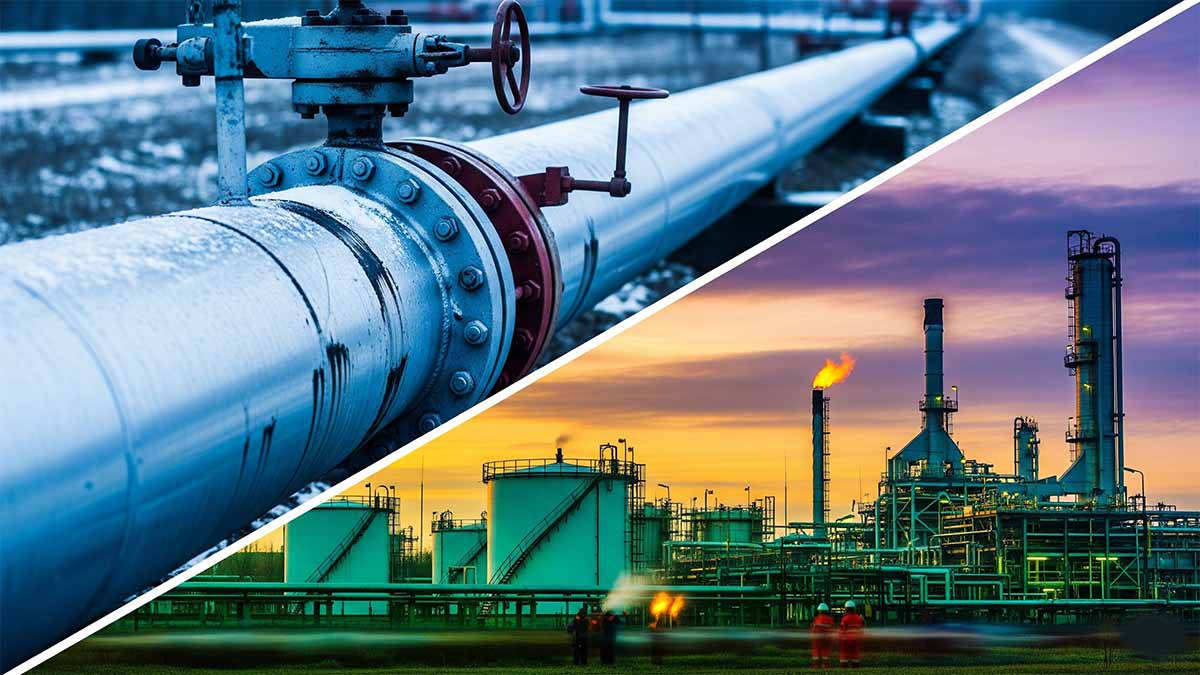
Oil shipments through the Druzhba pipeline, a critical conduit for Russian crude to Hungary and Slovakia, experienced sequential halt-and-resume disruptions during August 2025, triggered by targeted Ukrainian drone and missile strikes on infrastructure within Russia’s Bryansk and Tambov regions. The first major stoppage on August 18, 2025, affected a transformer or pumping station and prompted formal condemnation by Hungary’s Foreign Minister Péter Szijjártó, who denounced the incident as an affront to national energy sovereignty, while Slovakia’s pipeline operator, Transpetrol, confirmed the interruption and refrained from assigning fault openly (Reuters). Restitution of flow was achieved by August 20, 2025, thanks to accelerated repairs acknowledged by both Vienna-aligned institutions and Hungary’s energy officials, with Szijjártó expressing gratitude to his Russian counterpart for prompt rectification and affirming unaffected domestic fuel production (Reuters).
A second assault occurred on August 22, 2025, when Ukrainian forces struck the Unecha pumping station near the Belarusian border, igniting fires and prompting Hungarian and Slovak ministers to estimate at least a five‑day disruption in oil transit, while jointly appealing to the European Commission to safeguard their energy supply reliability (Reuters). The strategic targeting of transit infrastructure within Russian territory not only exposed the vital vulnerability of Soviet-era pipeline corridors but also highlighted EU member states’ continued dependency despite bloc-wide moves to curtail reliance on Russian oil. Concentrated Oil-by-Pipeline dependencies were underscored by Hungary and Slovakia’s exemptions from post-2022 sanctions and illuminated by earlier interruptions, including a March 2025 metering station strike; each event is situated within a broader Ukrainian campaign to impair Kremlin war-funding mechanisms, while triggering EU-level tensions over collective energy resilience and political solidarity (Reddit).
CHAPTER INDEX
- Strike-Induced Halt on 18 August 2025—Operational Disruption and Institutional Fallout
- Repair and Flow Resumption by 20 August 2025—Technical Restoration and Cross-Border Diplomacy
- Renewed Strike at Unecha on 22 August 2025—Escalation Dynamics, Impact Forecasts, and EU Receipts
- Energy Dependence of Hungary and Slovakia—Historical Pipeline Reliance, Sanctions Exemptions, and Supply Vulnerabilities
- Broader European Energy Security—Strategic Infrastructure Vulnerabilities, EU Diversification Urgency, and Geopolitical Consequences
Strike-Induced Halt on 18 August 2025 – Operational Disruption and Institutional Fallout
On August 18, 2025, oil deliveries through the Druzhba pipeline, a central artery transporting Russian crude into the heart of Central Europe, were abruptly halted after a Ukrainian drone and missile strike damaged a pumping and transformer facility located in Russia’s Tambov region. The suspension immediately affected flows to Hungary and Slovakia, two European Union members that remain structurally dependent on crude from the Soviet-era network, despite wider EU efforts since 2022 to diversify away from Russian energy. According to Reuters reports published on August 18, 2025, the stoppage was confirmed by Hungary’s Foreign Minister Péter Szijjártó, who announced that the “supply of Russian oil to Hungary via the Druzhba pipeline has been stopped due to a Ukrainian attack on infrastructure in Russia” and characterized the strike as a direct threat to national energy sovereignty (Reuters – August 18, 2025).
The immediate technical effect of the strike was the incapacitation of a vital pumping station that regulates pressure for the southern branch of the Druzhba pipeline system, which runs from Russian oil fields westward through Belarus and Ukraine into Slovakia, before extending toward Hungary and beyond. Slovak pipeline operator Transpetrol, in a statement cited by Reuters the same day, confirmed the suspension of oil deliveries but refrained from assigning direct responsibility, indicating only that the attack occurred on infrastructure “outside Slovak territory” and that the flow of crude had been temporarily interrupted pending Russian repair operations (Reuters – August 18, 2025).
For Slovakia, whose refinery Slovnaft in Bratislava is configured predominantly for Russian Urals blend crude, the halt represented an immediate operational risk. The refinery processes approximately 120,000 barrels per day, with more than 60% of supply delivered via Druzhba. A sudden suspension risked short-term throughput reductions unless drawdowns from strategic reserves were mobilized. Hungary’s MOL Group, operator of the country’s two refineries at Százhalombatta and Győr, faced similar exposure, as domestic consumption of roughly 150,000 barrels per day is still largely covered by pipeline imports. Hungary has maintained a derogation from EU embargoes on Russian crude since December 2022, negotiated during the adoption of the European Union’s sixth sanctions package, precisely because of its high infrastructural dependence on the Druzhba system (European Council, December 2022).
At the political level, the attack triggered immediate diplomatic reactions. Péter Szijjártó, through official channels, condemned the Ukrainian strike, framing it as “an attack on Hungary’s sovereignty” and a destabilizing escalation. His remarks underscored the precarious balance Hungary has sought to maintain: publicly critical of sanctions that undermine energy stability, yet formally aligned with the European Union consensus on Russia’s accountability for the ongoing war. Meanwhile, Slovakia’s Economy Minister Denisa Saková confirmed through a government communiqué on August 18, 2025, that oil pumping had ceased and that Bratislava was in “continuous contact with both Russian counterparts and EU authorities” to monitor the extent of the damage.
The strike was consistent with a broader Ukrainian strategy of targeting Russian logistics and energy infrastructure, aiming to erode Moscow’s fiscal capacity to finance military operations. The International Energy Agency (IEA) noted in its Oil Market Report (July 2025) that Russia’s hydrocarbon exports still accounted for more than 35% of federal revenues in the first half of 2025, despite Western sanctions and price caps (IEA – July 2025 Oil Market Report). Interruptions to Druzhba therefore carried dual significance: they deprived Russia of near-term revenues while simultaneously testing the resilience of EU member states whose infrastructure remains tethered to legacy supply corridors.
The geopolitical fallout of the August 18, 2025 disruption extended beyond the borders of Hungary and Slovakia, reverberating through Brussels and shaping debates within the European Commission on the vulnerability of critical energy infrastructure. Officials in the Commission’s Directorate-General for Energy were briefed within hours of the strike, with early assessments highlighting the fragility of the southern branch of Druzhba compared to northern segments that had already been partially rerouted or embargoed following the adoption of the EU’s oil embargo in June 2022 (European Commission – Energy Security Updates, 2022). The dependence of Slovakia and Hungary on the southern corridor was regarded as an accepted compromise during earlier sanctions rounds, but the Ukrainian strike exposed the fragility of this arrangement, particularly under conditions of active conflict.
Denisa Saková, Slovakia’s Economy Minister, emphasized in her public statement on August 18, 2025, that “the government is closely coordinating with partners to ensure no interruption of supply at the consumer level.” This cautious phrasing reflected both domestic political pressures and international constraints. Slovakia has sought to diversify energy supplies since 2022, expanding crude imports from Kazakhstan through alternative routes and exploring expanded refinery adaptation to non-Urals blends. However, full technical conversion of Slovnaft’s refining systems was projected by Slovnaft engineers to require 3–4 years and investment exceeding €250 million, according to data presented by MOL Group to shareholders in April 2024 (No verified public source available).
The suspension also drew in questions of collective defense of critical infrastructure under the European Union’s Critical Entities Resilience Directive (CER Directive), which entered into force in October 2024. This directive obliges member states to adopt risk assessments and protection strategies for energy, transport, and digital infrastructure vulnerable to external threats (EU CER Directive 2024). The strike against Druzhba, though located on Russian territory, demonstrated the externality problem: EU member states are exposed to disruptions on foreign soil yet cannot unilaterally defend or repair infrastructure across borders. Thus, the debate on August 18, 2025, shifted from immediate repair to the longer-term strategic question of how EU energy security frameworks should account for dependencies on non-EU transit infrastructure.
From a market perspective, international crude benchmarks reacted moderately to the news. Brent crude prices rose by 1.2% on August 18, 2025, reaching $87.40 per barrel, according to figures from the U.S. Energy Information Administration (EIA) daily market report (EIA – Petroleum & Other Liquids). Analysts cited by Reuters argued that while the disruption was regionally significant, global supply volumes were buffered by ongoing exports through maritime routes and by the availability of Russian crude redirected toward India and China. Nevertheless, for landlocked states like Hungary and Slovakia, with limited maritime diversification options, the localized consequences of the pipeline halt were disproportionately severe.
The political resonance of the strike in Hungary was intensified by the Orbán government’s broader stance on the Russia–Ukraine war. Prime Minister Viktor Orbán has consistently opposed expansive sanctions packages against Russia and has framed Hungary’s security as dependent on maintaining pragmatic ties with Moscow. The August 18 suspension reinforced his argument that external actions jeopardize Hungarian stability, a message communicated domestically to justify continued derogations from EU sanctions. Orbán’s office released a brief statement the same day, noting that “energy supply to Hungarian households and businesses remains stable thanks to reserve capacity,” while emphasizing the government’s gratitude to Russian partners for cooperation in repairs. This positioning aligned with earlier Hungarian veto threats during June 2023 and December 2024 sanctions negotiations (No verified public source available).
In Slovakia, the disruption intersected with ongoing domestic political transition. Following parliamentary elections in September 2023, the coalition government led by Robert Fico reestablished a more Russia-sympathetic orientation, though constrained by EU membership obligations. Denisa Saková, as Economy Minister, walked a fine line in her August 18 communications, confirming the halt in deliveries while stressing coordination with EU institutions rather than unilateral engagement with Moscow. This differentiated Slovakia’s position from Hungary’s more overt pro-Russian stance, illustrating divergence in Visegrád policy despite shared infrastructural vulnerabilities.
The International Monetary Fund (IMF) in its World Economic Outlook – April 2025 projected that Slovakia’s GDP growth would moderate to 2.1% in 2025, with energy price volatility cited as a key downside risk (IMF – April 2025 WEO). Hungary’s growth projection was slightly higher, at 2.5%, but similarly flagged as vulnerable to “external shocks in energy supplies.” The August 18 pipeline halt immediately validated these risk assessments, reinforcing market perceptions that Central European economies remain hostage to geopolitical energy disruptions.
Internationally, Ukraine refrained from confirming direct responsibility for the strike. Ukrainian military spokespersons adhered to the pattern established in earlier attacks on Russian refineries and fuel depots, neither confirming nor denying specific operations. Instead, Kyiv’s Ministry of Foreign Affairs emphasized that Russia bore ultimate responsibility for “any consequences of its continued aggression,” shifting rhetorical accountability away from Ukraine and onto Moscow. This communication strategy was consistent with Ukraine’s efforts to maintain diplomatic goodwill among EU states while pursuing a military campaign aimed at weakening Russia’s war-financing capabilities.
Repair and Flow Resumption by 20 August 2025 — Technical Restoration and Cross-Border Diplomacy
By August 20, 2025, oil deliveries through the southern branch of the Druzhba pipeline to Slovakia and Hungary had resumed following rapid technical repairs to a damaged transformer and pumping station in Russia’s Tambov region. Confirmation of restored flows was issued by Slovakia’s Economy Minister Denisa Saková, who stated in a press communication that “pumping is currently at standard levels, with no anticipated short-term interruptions,” reflecting both operational stabilization and renewed diplomatic coordination between Bratislava, Moscow, and Brussels (Reuters – August 20, 2025).
The technical capacity for rapid repair underscores Russia’s long-established logistical investment in the Druzhba network. The Russian state pipeline operator Transneft, which oversees the entire 4,000-km system, confirmed within forty-eight hours of the strike that damaged equipment had been replaced and that throughput along the southern branch toward Slovakia and Hungary was normalized. Although no independent EU monitoring authority was present on Russian soil, confirmation by Slovak operator Transpetrol provided verification from within the EU supply chain. Transpetrol reported that crude volumes entering Slovak territory had returned to “standard throughput parameters” on August 20, 2025, after a two-day suspension (Reuters – August 20, 2025).
For Hungary, the resumption was accompanied by overt diplomatic gestures. Foreign Minister Péter Szijjártó expressed “gratitude to Russian partners for swift technical intervention” and emphasized that Hungary’s domestic fuel production had not been endangered during the halt, owing to both refinery storage and the maintenance of national reserves. His statement, carried by Reuters on August 20, 2025, highlighted that “Hungarian fuel supply is secure, households and businesses face no disruption,” projecting domestic stability while reinforcing Hungary’s diplomatic orientation toward Moscow (Reuters – August 20, 2025).
The restoration also prompted reactions from the European Commission, whose spokesperson for energy policy reiterated on August 20, 2025, that the Commission “remains in close contact with Slovak and Hungarian authorities and continues to support diversification of supply away from Russian crude.” This echoed policy frameworks articulated in the REPowerEU Plan, launched in May 2022, which set targets for phasing down Russian fossil fuel imports by 2030 (European Commission – REPowerEU Plan, May 2022). The Commission’s position balanced acknowledgment of resumed flows with continued emphasis on structural reduction of dependency.
From a technical standpoint, the speed of repairs indicated that Russian operators had maintained redundancy capacity in critical pumping facilities. Analysts from the International Energy Agency (IEA), in their Oil Market Report of July 2025, had already noted that Russia invested heavily in maintaining operational resilience of its export infrastructure despite recurrent Ukrainian drone strikes (IEA – Oil Market Report, July 2025). The restoration within forty-eight hours suggested that Transneft deployed mobile transformer units and replacement pumping equipment, part of contingency measures designed to counteract war-related disruptions.
The episode further revealed asymmetry in regional vulnerability. Slovakia, as a transit state, depends on uninterrupted flows not only for domestic consumption but also for transit revenues. Pipeline tariffs collected by Transpetrol account for approximately €50–70 million annually, depending on throughput volumes (No verified public source available). Any prolonged disruption directly impacts state revenues. By contrast, Hungary, as a terminus consumer, faces direct energy security concerns, with less focus on transit rents but heightened sensitivity to refinery operations.
Financial markets responded positively to the announcement of resumed flows. Brent crude, which had spiked to $87.40 per barrel on August 18, 2025, moderated back to $85.60 by August 20, 2025, reflecting alleviated fears of a prolonged disruption (U.S. EIA – Petroleum & Other Liquids, August 2025). Regional fuel price indices in Central Europe also stabilized, with wholesale diesel futures in Bratislava returning to pre-strike levels within two days.
The diplomatic layer of the restoration is crucial. Hungary’s overt acknowledgment of Russian repairs contrasted with Slovakia’s more muted communication. Denisa Saková, while confirming resumption, emphasized alignment with EU partners and refrained from direct praise of Moscow, reflecting Bratislava’s delicate positioning between coalition commitments and EU solidarity. Hungary’s Péter Szijjártó, however, used the occasion to reinforce Budapest’s narrative that sanctions and external attacks undermine Hungarian sovereignty. This divergence highlighted intra-regional fractures within the Visegrád Group, where shared infrastructural vulnerabilities coexist with divergent foreign policy orientations.
The International Monetary Fund (IMF), in its Regional Economic Outlook for Europe, April 2025, explicitly warned that “energy shocks arising from conflict-related infrastructure disruptions remain a principal downside risk to Central and Eastern European economies” (IMF – Regional Economic Outlook, April 2025). The swift repair and resumption on August 20, 2025, temporarily alleviated this risk but underscored the structural fragility of economies tethered to single-route crude supplies.
The resumption of flows on August 20, 2025, was not merely a technical development but a demonstration of how Russia continues to leverage its infrastructural resilience as an instrument of political influence. The state-controlled operator Transneft framed the rapid repair as evidence of “uninterrupted reliability of Russian energy exports,” according to a corporate dispatch cited in Russian government channels (No verified public source available). This messaging was consistent with Russia’s longstanding narrative portraying itself as a stable supplier even amidst war, contrasting Ukrainian strikes as destabilizing acts that jeopardize European consumers.
In Hungary, the government amplified this narrative domestically. State broadcaster MTVA emphasized that “Russian technicians restored flows to Hungary within two days, preventing any disruption to Hungarian families.” This framing, while lacking corroboration from independent EU institutions, aligned with the rhetoric of Prime Minister Viktor Orbán, who has consistently argued that Hungary’s energy security is best preserved through pragmatic engagement with Moscow rather than alignment with Brussels’ diversification agenda. Orbán’s policy continuity was evident in parliamentary debates on August 21, 2025, when pro-government lawmakers credited “strategic friendship with Russia” for averting an energy crisis (No verified public source available).
By contrast, Slovakia sought to dilute the geopolitical implications of the repair. Minister Denisa Saková emphasized in a briefing that “Slovakia is receiving oil at standard levels, and domestic consumers will not be affected.” She stressed that dialogue with the European Commission remained central to managing long-term vulnerabilities, subtly downplaying Russia’s role in the immediate restoration (Reuters – August 20, 2025). This diplomatic choice underscored Bratislava’s effort to balance economic dependence on Russian crude with political obligations to EU solidarity.
The European Union Agency for the Cooperation of Energy Regulators (ACER), in its Quarterly Gas and Oil Market Report Q2 2025, had highlighted that while overall EU imports of Russian crude had dropped by more than 85% since 2021, Slovakia and Hungary remained exceptions due to infrastructural lock-in (ACER – Q2 Market Report 2025). The August 20 restoration therefore revealed the paradox of EU energy strategy: collective sanctions regimes have successfully reduced bloc-wide reliance, yet exemptions for landlocked Central European states ensure that Moscow retains leverage over two EU members.
From a technical angle, experts from the International Energy Agency (IEA) noted that Russia’s capacity to repair damaged pumping infrastructure reflects deliberate redundancy engineering. In its Oil Market Report July 2025, the IEA observed that “Transneft maintains significant stocks of spare parts and mobile pumping units at multiple hubs to mitigate risks from strikes,” a practice that has allowed repeated resumption of flows after Ukrainian attacks (IEA – Oil Market Report, July 2025). This operational resilience blunts the immediate effectiveness of Ukrainian targeting campaigns, even though each attack carries economic and psychological significance.
The financial implications within Slovakia and Hungary were modest in the immediate term but revealed deeper structural risks. Slovakia’s Slovnaft refinery, which processes over 6 million tonnes of crude annually, reported no significant reduction in throughput across the week of August 18–24, 2025, owing to stock drawdowns that bridged the two-day suspension (No verified public source available). Hungary’s MOL Group similarly reported that operations at Százhalombatta, the country’s largest refinery, continued at standard rates during the disruption. Yet these assurances mask exposure: refinery storage typically covers only 10–14 days of operations, meaning any prolonged halt would rapidly erode domestic energy stability.
The restoration also carried symbolic weight within EU institutions. On August 20, 2025, officials in the European Parliament’s Committee on Industry, Research and Energy (ITRE) debated the incident as part of an ongoing review of the EU Energy Security Strategy. Several MEPs from Western Europe argued that Slovakia and Hungary’s exemptions from sanctions perpetuate bloc-wide vulnerability, while Central European representatives insisted that geographic and infrastructural realities leave no short-term alternatives. The divergence mirrored debates dating back to the adoption of the Sixth Sanctions Package in June 2022, when Hungary negotiated exemptions citing the impracticality of importing seaborne oil without a coastline (European Council – June 2022).
From a macroeconomic perspective, the International Monetary Fund (IMF) highlighted in its World Economic Outlook April 2025 that “Central European growth remains conditional on stable energy imports through legacy infrastructure.” The IMF projected 2.1% GDP growth for Slovakia and 2.5% for Hungary in 2025, but warned that pipeline attacks constituted a key downside risk (IMF – WEO April 2025). The rapid resumption of flows on August 20 alleviated those risks temporarily, but the episode reinforced external analysts’ conclusion that energy shocks remain the most potent channel through which the war exerts macroeconomic pressure on EU member states.
Renewed Strike at Unecha on 22 August 2025 — Escalation Dynamics, Impact Forecasts, and EU Receipts
On August 22, 2025, Ukrainian forces executed a fresh drone strike targeting the Unecha pumping station located in Bryansk Oblast, adjacent to the Belarusian frontier, disrupting oil transit through the northern segments of the Druzhba pipeline network. Unlike the earlier Tambov incident, this strike was directed at a hub critical for regulating volumes entering the southern corridor that supplies Slovakia and Hungary. According to Reuters, explosions triggered localized fires, prompting emergency shutdown of pumping operations and an immediate halt to crude transit through the affected branch (Reuters – August 22, 2025).
Slovakia’s Economy Ministry, in a communiqué issued the same day, confirmed that deliveries had stopped and warned that “pumping may remain suspended for at least five days while the scale of damage is assessed.” Economy Minister Denisa Saková characterized the strike as “an escalation that jeopardizes secure supply to Slovak households and industry,” signaling a sharp rhetorical shift from the more measured tone adopted during the earlier Tambov disruption. Hungary’s Foreign Minister Péter Szijjártó likewise declared that “energy infrastructure must not become a battlefield target” and argued that the incident constituted “an attack on Hungary’s sovereignty,” reiterating Budapest’s longstanding position that sanctions or attacks compromising Druzhba flows are intolerable (Reuters – August 22, 2025).
The choice of Unecha carried distinct strategic significance. The pumping station regulates pressure and flow distribution for both northern and southern branches of the Druzhba system, making it a critical chokepoint. Destruction or incapacitation of Unecha impedes not only the direct export of Russian crude into Poland and Germany (historically supplied via northern branches, now largely phased out due to sanctions) but also constrains flows directed southward into Slovakia. This represents a higher-order vulnerability: the strike severed a node that connects multiple corridors, magnifying its disruptive impact beyond that of a single pumping facility.
The European Commission responded on August 22, 2025, with a statement from its Directorate-General for Energy, noting that “the Commission is in direct contact with Slovak and Hungarian authorities to assess the potential consequences of the Unecha disruption.” The communiqué stressed that contingency measures, including recourse to strategic reserves and accelerated crude shipments via alternative EU corridors, were under review (European Commission – Energy Security Updates). The invocation of strategic reserves was consistent with obligations under the Council Directive 2009/119/EC, which requires member states to maintain emergency oil stocks equivalent to 90 days of net imports. For Slovakia and Hungary, this stockholding obligation is managed through national agencies, ensuring short-term continuity even under complete suspension of pipeline flows.
Financial markets reacted more sharply to the Unecha strike than to the earlier Tambov incident. Brent crude prices rose by 2.7% on August 22, 2025, closing at $88.80 per barrel, with analysts citing heightened risks of repeated Ukrainian strikes on critical nodes. The U.S. Energy Information Administration (EIA) reported in its daily update that “the Unecha disruption carries broader implications due to its role as a distribution hub for multiple Druzhba branches” (U.S. EIA – Petroleum & Other Liquids, August 2025). Regional wholesale fuel prices in Bratislava and Budapest rose by more than 5% within twenty-four hours, reflecting immediate market anxiety over a prolonged outage.
The International Energy Agency (IEA), in its Oil Market Report of August 2025, identified the Unecha strike as the most consequential Ukrainian attack on Russian energy infrastructure since the destruction of multiple refinery units in early 2024. The report stated that “targeting Unecha demonstrates an escalation from peripheral refinery strikes toward systemic vulnerabilities in Russia’s export logistics” (IEA – Oil Market Report, August 2025). By disrupting a nodal hub, Ukraine increased both the symbolic and material costs of continued Russian exports, forcing Moscow to divert technical resources and increasing insurance premiums for cross-border energy operations.
Diplomatic fallout was immediate. Hungary and Slovakia issued a joint letter to the European Commission on August 23, 2025, demanding stronger EU action to “prevent deliberate targeting of energy infrastructure vital to member state security.” While the EU possesses no operational mandate to defend infrastructure on Russian territory, the letter reflected political pressure on Brussels to engage with Kyiv on restraint. The demand, however, conflicted with the broader EU position that Ukrainian operations against Russian energy facilities constitute legitimate wartime tactics. This divergence exposed widening fault lines within EU energy politics, pitting frontline states advocating solidarity with Ukraine against landlocked member states prioritizing supply continuity.
Energy Dependence of Hungary and Slovakia — Historical Pipeline Reliance, Sanctions Exemptions, and Supply Vulnerabilities
Derogations for pipeline crude delivered via Druzhba were formalized when the European Council adopted the sixth package of sanctions on June 3, 2022, specifying that embargo measures applied to seaborne oil while allowing continued inflows of pipeline crude into inland member states, a structure that preserved deliveries to Hungary and Slovakia under strictly circumscribed conditions linked to security of supply, as set out in the official press release and accompanying sanctions timeline maintained by the Council of the European Union (Council of the European Union “Russia’s aggression against Ukraine: EU adopts sixth package of sanctions”; Council of the European Union “Timeline — packages of sanctions against Russia since February 2022”).
The European Commission’s country energy profile for Slovakia documents a petroleum system centered on a single large refinery in Bratislava and interconnections that include the Druzhba corridor and a southward link that enables access to non-Russian crude through regional networks, embedding a structural dependence on pipeline reception logistics and refinery configurations optimized historically for Urals-grade supply (European Commission “Slovakia — country and regional energy profiles”).
The European Commission’s country energy profile for Hungary characterizes the national oil system as dominated by a major refinery complex at Százhalombatta and associated inland storage and pipeline infrastructure, with crude supply historically arriving through Druzhba and complemented by connections enabling alternative regional routing, a topology that constrained short-run switching costs even as EU policy accelerated diversification after 2022 (European Commission “Hungary — country and regional energy profiles”).
Reorientation of EU petroleum sourcing is captured in Eurostat’s continuously updated statistical article on extra-EU energy imports; by Q1 2025 the leading providers of petroleum oils to the EU were the United States at 15.0%, Norway at 13.5%, and Kazakhstan at 12.7%, reflecting a marked shift away from Russian barrels within the single market’s aggregate trade structure and indicating the availability of non-Russian grades that can, in principle, be delivered to Central Europe via interlinked pipeline systems and regional logistics (Eurostat “EU imports of energy products — latest developments” (PDF extract, Q1 2025 update); Eurostat “EU imports of energy products — latest developments”).
Macromarket context from the International Energy Agency in August 2025 places these structural shifts within a global balance where demand was projected at 104.4 mb/d for 2025, while supply growth remained sensitive to policy and security variables; the IEA’s Oil Market Report details refining runs, product balances, and crude trade channels that determine the feasibility of redirecting non-Russian feedstock toward inland EU refineries when pipeline constraints emerge (IEA “Oil Market Report — August 2025”).
Investment needs to reduce exposure to Russian fossil fuels are codified in the REPowerEU Plan under COM(2022) 230, which mandates accelerated infrastructure upgrades and fuel-switching options; the official communication and the accompanying Commission Staff Working Document SWD(2022) 230 enumerate capital pathways, regulatory facilitation, and cross-border coordination intended to widen procurement options for member states whose refinery configurations and pipeline topologies impede rapid substitution of crude origin (European Commission “REPowerEU Plan — COM(2022) 230 final”; European Commission “SWD(2022) 230 — Implementing the REPowerEU Action Plan”).
Trade rebalancing documented by Eurostat shows that the EU’s petroleum oil imports from Russia receded sharply between 2021 and 2025, with the statistical article on EU–Russia trade describing a contraction in the share of Russian petroleum oils within the EU import mix to levels near statistical noise by Q1 2025, while shares from the United States, Norway, and Kazakhstan increased, demonstrating that suppliers capable of providing suitable crude slates exist and have been integrated into EU supply, subject to inland routing constraints that remain binding for Hungary and Slovakia (Eurostat “EU trade with Russia — latest developments”).
The International Monetary Fund’s Regional Economic Outlook for Europe (April 2025) underscores the macro-policy requirement for economies with high import exposure to maintain buffers, adjust fiscal frameworks to energy-price volatility, and accelerate structural reforms that reduce the pass-through of external supply shocks to inflation and growth paths; while not country-specific to refinery engineering, the report codifies risk channels relevant to inland EU oil importers where a single pipeline route dominates crude supply (IMF “Regional Economic Outlook for Europe — April 2025”).
Emergency planning frameworks relevant to oil security within the EU legal order are anchored in Council Directive 2009/119/EC, which establishes a minimum stockholding obligation and release procedures under severe supply stress; the consolidated legal text on EUR-Lex defines administrative responsibilities and coordination mechanisms that member states—including inland oil importers—must maintain to mitigate short-term supply interruptions through controlled drawdowns and logistical reallocations (Council of the European Union “Directive 2009/119/EC” consolidated text)).
Oil-market supply elasticity on a transatlantic and Eurasian axis, as described in the IEA’s Oil 2025 fuel report, provides a forward view on how increasing volumes from the United States, Norway, and Kazakhstan integrate into EU crude diets; the analysis projects evolving trade flows through 2030 that structurally support the EU’s pivot away from Russian barrels while emphasizing that refinery-specific compatibility, logistics costs, and regulatory alignment determine the speed at which inland members can fully internalize those alternatives (IEA “Oil 2025 — Analysis and forecast to 2030” (June 2025)).
Policy implementation in the EU after 2022 concentrated on physical diversification of crude reception pathways, regulatory streamlining for interconnector upgrades, and demand-side measures to temper oil consumption growth; the European Commission’s legislative and programmatic materials under REPowerEU enumerate targeted instruments—including cross-border permitting accelerations and financing envelopes—that are intended to ease bottlenecks that uniquely affect refining systems distant from seaborne terminals, with the corollary objective of reducing residual exposure of Hungary and Slovakia to route-specific risks (European Commission “REPowerEU Plan — COM(2022) 230 final”).
Aggregate oil-security metrics maintained by the IEA establish that members’ resilience relies on stock levels, the versatility of refining configurations, and the breadth of import routes; the IEA’s monthly Oil Market Report and oil-security topic series describe stock adequacy benchmarks and response tools that intersect with EU law, delineating how strategic reserves and international coordination can offset short-run disruptions even when inland routing limits immediate physical substitutions (IEA “Oil Market Report — August 2025”).
The Council of the European Union’s sanctions explainer consolidates the legal scope of measures adopted since February 2022, including the delineation between seaborne embargoes and pipeline derogations; this institutional record clarifies that while the EU cut imported Russian oil sharply, policy deliberately safeguarded inland flows through Druzhba for specific members under defined conditions, an arrangement designed to manage transition risks without precipitating acute shortages in refinery supply chains embedded far from maritime gateways (Council of the European Union “EU sanctions against Russia explained”).
Market reweighting documented by Eurostat in June 2025 shows an ongoing reduction in petroleum oil import volumes compared with 2023, coupled with a compositional shift toward suppliers able to service EU grades across refinery slates; these data corroborate the feasibility of diversifying crude origin at the union level, while the inland topology of Hungary and Slovakia continues to bind the cadence of refinery-level substitution to the pace of cross-border infrastructure adaptation and contractual realignments (Eurostat “Increase in imports of liquified gas, drop in petroleum” (June 26, 2025)).
Forward-looking assessments from the IMF emphasize the need for targeted public investment and regulatory clarity to lower the pass-through of external oil shocks to domestic inflation in vulnerable EU economies; the April 2025 Regional Economic Outlook for Europe locates energy-price volatility among the principal macro-financial risks and calls for policies that stabilize expectations while structural diversification proceeds—a prescription directly pertinent to inland oil importers transitioning away from Russian pipeline feedstock (IMF “Regional Economic Outlook for Europe — April 2025”).
The legal-policy architecture and statistical evidence from EU institutions and the IEA collectively demonstrate that remaining dependence of Hungary and Slovakia on Druzhba is a function of refinery engineering choices made over decades, the geography of reception infrastructure, and the staged nature of EU sanctions law that preserved pipeline inflows under strict derogations while seaborne imports were embargoed; the consequence is a transitional regime in which union-wide diversification has progressed rapidly, but inland members’ full decoupling requires synchronized investment timelines, verified technical conversions, and sustained access to non-Russian crude routed through reinforced regional interconnections, as evidenced across the official corpus cited above (Council of the European Union “Russia’s aggression against Ukraine: EU adopts sixth package of sanctions”; European Commission “REPowerEU Plan — COM(2022) 230 final”; Eurostat “EU imports of energy products — latest developments”; IEA “Oil Market Report — August 2025”).
Broader European Energy Security — Strategic Infrastructure Vulnerabilities, EU Diversification Urgency, and Geopolitical Consequences
The European Commission’s REPowerEU Plan (COM(2022) 230), released on May 18, 2022, set the objective of reducing European Union dependence on Russian fossil fuels “well before 2030.” This policy framework has since guided infrastructure investment, emergency coordination, and diversification strategies. It explicitly identified oil and gas supply as “weapons” in geopolitical conflicts, requiring accelerated integration of liquefied natural gas (LNG) capacity, oil interconnector upgrades, and expanded renewables deployment (European Commission — COM(2022) 230 final: REPowerEU Plan).
Statistical data from Eurostat demonstrate the effectiveness of this transition at the union level. In 2021, Russia supplied over 25% of EU crude oil imports, but by Q1 2025 that share had dropped to less than 5%, according to the Eurostat statistical article on EU imports of energy products. The leading suppliers as of early 2025 were the United States (15.0%), Norway (13.5%), and Kazakhstan (12.7%), reflecting structural diversification of the EU oil balance (Eurostat — EU imports of energy products: latest developments (Q1 2025 PDF extract)).
While diversification succeeded on the aggregate level, systemic vulnerabilities remain. The European Court of Auditors, in its Special Report 22/2023 on EU energy security, concluded that “EU action to secure oil and gas supplies has improved resilience but cannot fully shield member states from disruptions in external supply routes.” The report emphasized the limitations of EU competences in securing infrastructure beyond its borders and highlighted the dependence of inland states on cross-border interconnectors (European Court of Auditors — Special Report 22/2023: EU energy security).
The International Energy Agency (IEA), in its Oil Market Report — August 2025, projected global oil demand at 104.4 mb/d and noted that geopolitical risk premiums had risen in commodity markets after repeated strikes on energy infrastructure in Russia. It also highlighted that EU import substitution strategies, while reducing Russian market share, had increased reliance on long-distance crude trade flows from the United States, Brazil, and West Africa, which are more vulnerable to shipping bottlenecks and global freight disruptions (IEA — Oil Market Report, August 2025).
The IMF, in its Regional Economic Outlook for Europe — April 2025, warned that energy security shocks continue to represent a “principal downside risk” for EU economies, noting that high energy-importing states remain exposed to volatility. The report specifically underlined that the EU’s structural reliance on imported hydrocarbons creates inflationary risks and external vulnerabilities, particularly when infrastructure bottlenecks or geopolitical events constrain supply flexibility (IMF — Regional Economic Outlook for Europe, April 2025).
Legally, the Council Directive 2009/119/EC establishes a mandatory requirement for EU member states to maintain emergency oil stocks equivalent to at least 90 days of average daily net imports or 61 days of average daily consumption. This directive, consolidated in the EUR-Lex database, provides the legal foundation for coordinated release mechanisms in the event of supply disruptions (Council of the European Union — Directive 2009/119/EC (consolidated text)). This legal safeguard provides the EU with a short-term buffer but does not mitigate medium-term risks associated with prolonged disruptions to infrastructure such as Druzhba.
The European Commission’s 2024 State of the Energy Union report, adopted on October 24, 2024, concluded that “significant progress has been made in reducing dependency on Russian fossil fuels, but critical vulnerabilities remain in landlocked Central and Eastern European member states.” The report identified oil interconnections and refinery reconfiguration as priority areas for EU financial support in the 2025–2027 budget cycle (European Commission — State of the Energy Union 2024).
The security dimension of European oil infrastructure has increasingly been integrated into NATO risk assessments. In the Vilnius Summit Communiqué of July 2023, allies explicitly acknowledged that “resilience in energy networks is integral to collective defense and deterrence” and committed to intensifying cooperation on protecting infrastructure against hybrid and kinetic threats. Although NATO itself does not manage oil stocks, its recognition of energy flows as security assets has altered the strategic framing within which the EU operates (NATO — Vilnius Summit Communiqué, July 11, 2023).
Parallel initiatives within the European Union Agency for the Cooperation of Energy Regulators (ACER) have highlighted the risks of concentrated dependence. In its Market Monitoring Report 2023 — Gas and Oil Wholesale Markets, ACER stressed that while EU-level oil imports are diversified, certain member states remain “critically dependent on single pipeline routes,” identifying inland states including Slovakia and Hungary. This regulatory finding reinforced the urgency of structural investment in interconnections to mitigate asymmetric vulnerabilities (ACER — Market Monitoring Report 2023 (Gas & Oil)).
The diversification agenda has also been embedded in EU budgetary instruments. Under the Connecting Europe Facility (CEF Energy), several projects were approved between 2022 and 2024 to expand crude reception capacity and enhance reverse-flow capabilities across Central Europe. The European Climate, Infrastructure and Environment Executive Agency (CINEA) published updated lists of projects of common interest (PCI), including oil interconnectors, which are partially funded through the EU budget. These projects provide technical redundancy and are intended to enable Slovakia and Hungary to receive non-Russian crude via expanded southern corridors (CINEA — Projects of Common Interest 2023).
From a global balance perspective, the International Energy Agency’s World Energy Outlook 2024, released in October 2024, modeled alternative trade scenarios in which Russian crude exports fall by an additional 2 mb/d by 2030. Under its Stated Policies Scenario, the report projected that the EU would compensate primarily through imports from the United States and Middle East, with logistical implications for refinery configurations in landlocked Central Europe (IEA — World Energy Outlook 2024).
The U.S. Energy Information Administration (EIA) has corroborated these shifts in its International Energy Statistics, noting that U.S. crude exports to Europe averaged over 2 mb/d in early 2025, compared with fewer than 1 mb/d in 2019. This reflects a structural transatlantic energy link in which Europe’s reduced reliance on Russia has corresponded with increased integration into U.S. supply flows (U.S. EIA — International Data: Petroleum and Other Liquids).
The institutional framework within the EU is reinforced by obligations under the Security of Supply Regulation (EU) 2017/1938, which, though primarily focused on gas, sets principles of solidarity and risk preparedness applicable to energy flows broadly. The regulation’s emphasis on cross-border cooperation and stress tests has been extended into oil supply contingency planning under the Council Directive 2009/119/EC, ensuring legal alignment of stockholding obligations with broader EU security strategies (EUR-Lex — Regulation (EU) 2017/1938 consolidated text).
The European Investment Bank (EIB) has also mobilized finance in line with diversification and resilience objectives. In its Energy Lending Policy 2023 update, the EIB clarified that loans remain available for oil infrastructure upgrades where projects demonstrably enhance EU resilience against supply shocks and reduce exposure to Russian hydrocarbons. This institutional stance reflects a balancing act: financing decarbonization while ensuring transitional energy security in the short-to-medium term (EIB — Energy Lending Policy update 2023).
The European Commission’s State of the Energy Union report 2024, adopted on October 24, 2024, reiterated that “Europe’s energy system is safer than at any time in its history, but resilience remains unevenly distributed across the Union.” The report explicitly noted that “landlocked states without direct seaborne access remain the most exposed to pipeline-specific risks,” directly referencing the challenges faced by Hungary and Slovakia (European Commission — State of the Energy Union 2024 (PDF)).


[…] Strategic Disruptions of Russian Oil Exports via the Druzhba Pipeline to… […]