













The study findings were published in the peer reviewed American Journal of Medicine.
https://www.sciencedirect.com/science/article/abs/pii/S0002934322006672
The prevalence of marijuana for medical and recreational use in the United States is increasing in recent years due to the legalization of marijuana1. As of December 2021, medical marijuana has been approved for commercialization in 36 U.S. states and the District of Columbia for a wide range of health conditions.
Furthermore, 18 states have legalized recreational marijuana consumption. Recent surveys show that 49.6 million Americans over the age of 12 reported using marijuana in past 2020 alone.2. However, the issue of marijuana use has been controversial due to the contradiction between the medical value of marijuana and its accompanying health problems 3.
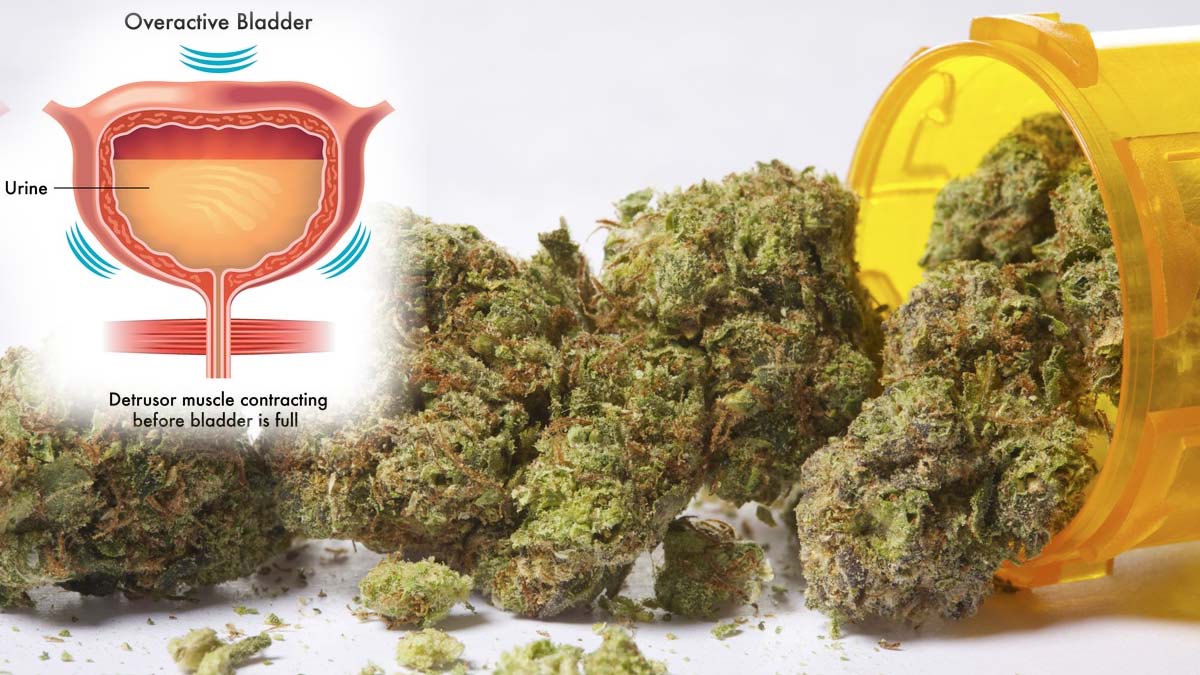
In order to improve the quality of life of patients and relieve symptoms, many drugs have been developed for the treatment of this disease including M-choline receptor blockers (solifenacin) and β3-adrenergic receptor agonist (mirabegron) 5. However, these drugs tend to have limited therapeutic efficacy and a certain percentage of side effects 6,7. . . This suggests that we still need to find more suitable drug therapy.
Given the popularity of marijuana and the increased accessibility of marijuana, some studies have begun to focus on whether marijuana holds promise as a new type of drug that is both effective and well adhered to. The results of some current clinical trials have shown that marijuana extracts are better at improving some refractory neurogenic symptoms 8, especially in patients with multiple sclerosis by reducing episodes of urge incontinence 9, reducing the number of nocturia and urinary frequency, and improving bladder control and the Incontinence Quality of Life (I-QOL)10,11.
Results from another study that included men aged 20-59 years showed that regular marijuana users were significantly less likely to report low urinary tract symptoms compared to nonusers 12, but it remains unknown whether marijuana is effective in controlling overactive bladder symptoms in the broader population, especially considering the comparable prevalence of overactive bladder among adults of different genders 13.


