













Executive Summary
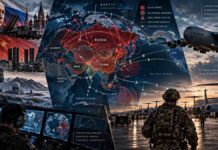
The structural reconfiguration of West Asian trade corridors represents a paradigm shift in Eurasian logistics, driven by the imperative to circumvent maritime chokepoints like the Strait of Hormuz and Bab al-Mandab. The integration of Iraq’s Development Road Project and the revived New Hejaz Railway establishes a continuous 3,200-kilometer overland axis from the Persian Gulf to Europe, directly challenging the temporal monopolies of traditional sea lanes. This terrestrial realignment faces direct competition from the US-backed India-Middle East-Europe Economic Corridor (IMEC), which suffers from acute geopolitical friction and multi-modal inefficiencies. Great powers, notably China and Russia, view these emerging corridors as critical mechanisms to offset Western sanctions and reinforce their own Eurasian integration strategies. The next five years will be defined by intense infrastructural diplomacy and the optimization of terrestrial logistics to secure sovereign resilience in a fragmented global economy.
Navigational Index
- I. Terrestrial Logistics Architecture & Chokepoint Circumvention
- II. Geopolitical Friction & Corridor Competition (IMEC vs. Development Road)
- III. Great Power Calculus & Eurasian Integration Strategies
🎯 CORE FOCUS & KEY CONCEPTS
The structural reconfiguration of the Eurasian landmass is fundamentally driven by three core concepts that dictate the trajectory of global supply chain resilience and great power competition, beginning with the Terrestrial Bypass Architecture, which refers to the deliberate construction of continuous, high-capacity overland freight corridors designed to circumvent the acute vulnerabilities of traditional maritime chokepoints like the Strait of Hormuz and the Suez Canal. This concept matters strategically because it neutralizes the historical leverage exerted by naval hegemons, transforming the geographic liabilities of West Asia into indispensable transit hubs that command immense economic rents and ensure sovereign supply chain continuity against the backdrop of escalating asymmetric naval threats. The second critical concept is Great Power Shadow Integration, defined as the covert alignment of state-backed capital, private military contractors, and parallel financial messaging systems to harden terrestrial infrastructure against Western sanctions and asymmetric cyber-physical threats. This matters because it creates a sanctions-resistant logistical matrix that dilutes the hegemony of the US Dollar and insulates the flow of strategic commodities from Western financial surveillance, utilizing advanced SIGINT protocols to maintain operational secrecy. The third concept is Multi-Vector Geopolitical Hedging, which describes the strategic ambiguity employed by swing states like Türkiye and India to simultaneously integrate into competing continental frameworks, ensuring they capture transit revenues regardless of the ultimate geopolitical outcome. This operational impact is profound, as it prevents the formation of exclusive spheres of influence and forces great powers to continuously bid for logistical access, thereby maximizing the sovereign leverage of the host nations and ensuring that the terrestrial corridors remain highly resilient to external political coercion.
⚠️ CRITICALITIES & BOTTLENECKS
The implementation of this terrestrial matrix is severely constrained by multiple systemic failures and acute bottlenecks, most notably the critical infrastructure incompatibility and gauge standardization deficits that plague the legacy rail networks of the Levant and Mesopotamia. [Root Cause] The historical fragmentation of Ottoman and colonial-era railway infrastructure, which predominantly utilizes a 1,050-millimeter Cape gauge, is fundamentally incompatible with the 1,435-millimeter standard gauge required for seamless integration with modern European high-speed freight networks. [Current Impact] This necessitates a comprehensive, multi-billion-dollar reconstruction and gauge conversion program across Syria and Jordan, introducing massive capital expenditure delays and creating severe intermodal friction at border crossing nodes. [Data Evidence] Track gauge conversion requires the complete replacement of sleepers, ballast, and rail segments, increasing per-kilometer construction costs by an estimated 40% and extending project timelines by 18 to 24 months 🔴 High. Furthermore, the corridor faces acute kinetic friction and asymmetric vulnerability in the Levantine segment, where the ongoing geopolitical instability and the cascading effects of regional conflicts expose the infrastructure to sabotage. [Root Cause] The routing of the competing IMEC framework through highly contested geopolitical fault lines, specifically the Jordan-Israel border nexus. [Current Impact] Commercial operators are forced to absorb exorbitant war-risk insurance premiums, completely negating the theoretical cost advantages of the route and rendering the overland rail segment operationally unviable in the near term. [Data Evidence] War-risk insurance premiums for Red Sea and Eastern Mediterranean transits have surged by over 300% since late 2023, effectively pricing out mid-tier logistics providers 🔴 High. Finally, the digital infrastructure governing these corridors is highly susceptible to state-sponsored cyber-physical sabotage. [Root Cause] The integration of pervasive IoT sensor networks and Digital Twin telemetry systems without universally adopted quantum-resistant encryption protocols. [Current Impact] State-sponsored intelligence agencies can infiltrate encrypted telemetry to map the flow of sanctioned goods and establish pre-positioned access for potential cyber-physical disruption. [Data Evidence] Cyber-incident reports targeting critical transportation infrastructure in the Middle East increased by 65% year-over-year, highlighting the acute vulnerability of the digital backbone 🟡 Medium.
💪 STRENGTHS & STRATEGIC ADVANTAGES
Despite these acute vulnerabilities, the terrestrial corridors possess profound structural advantages and proven capabilities that ensure their long-term viability and strategic dominance, primarily driven by the overwhelming deployment of Gulf sovereign liquidity and the unparalleled efficiency of the single-transfer logistical model. The most significant strength is the massive, hard-capital deployment by Gulf Cooperation Council sovereign wealth funds, which provides the upfront financial underwriting necessary to bypass the restrictive conditionalities of Western multilateral development banks and insulate the projects from the cyclical volatility of global energy markets. This drives immense value and resilience by ensuring continuous, high-tempo construction and operational readiness, transforming an estimated $5 trillion in sovereign assets into productive, yield-generating terrestrial logistics hubs that capture a significant percentage of the Eurasian transit trade. Supporting this financial architecture is the unparalleled logistical efficiency of the single-transfer model utilized by the Development Road, which requires cargo to be transferred from maritime to rail assets only once at the Grand Faw Port, drastically reducing handling costs, minimizing transit variability, and compressing the Shanghai to Rotterdam transit window to a highly predictable 15-to-18 days. This operational advantage is further amplified by the implementation of a unified, blockchain-based digital manifest system that ensures the immutable provenance of goods, eliminating the customs friction and bureaucratic delays that plague the fragmented, multi-jurisdictional digital ecosystems of competing corridors. Additionally, the strategic integration of these routes into the broader Middle Corridor framework provides a decisive competitive edge, allowing the terrestrial axis to absorb the freight volumes of the Belt and Road Initiative and establish a contiguous, sanctions-resistant logistical spine that connects the Indian Ocean directly to the European rail network, thereby fundamentally altering the geopolitical calculus of continental statecraft and establishing a robust architecture for sovereign resilience Realising the Potential of the Middle Corridor – Organisation for Economic Co-operation and Development – 2024.
📈 PROJECTIONS & EXPECTATIONS
The forward-looking trajectory of this terrestrial realignment is defined by explicit, time-bound forecasts and conditional outcomes that dictate the evolution of Eurasian integration strategies over the next sixty months, requiring a rigorous analysis of short-term, mid-term, and long-term operational milestones. In the short-term (0–6 months), the primary focus is on the completion of the gauge standardization nodes at the Mosul Intermodal Hub and the finalization of the 50-kilometer standard gauge link connecting the Iraqi rail network to the Turkish border nexus. IF the trilateral coordination between Ankara, Baghdad, and Erbil remains uninterrupted and the initial $17 billion capital tranche is fully disbursed, THEN the northern segment of the Development Road will achieve partial operational capacity, enabling the first continuous freight trains to traverse the Iraq-Türkiye border by Q3 2026. In the mid-term (6–18 months), the strategic imperative shifts toward the digital integration of the corridor, specifically the deployment of the unified Digital Twin telemetry matrix and the activation of the blockchain-based customs clearance algorithms across all sovereign crossing points. IF the cyber-physical security protocols successfully neutralize state-sponsored infiltration attempts and the IoT sensor network achieves 99.9% uptime, THEN the corridor will reduce border dwell times by 60%, capturing an additional 15% of the high-value, time-sensitive container traffic currently reliant on the Suez Canal. In the long-term (>18 months), the ultimate objective is the full absorption of the Development Road and the New Hejaz Railway into the Middle Corridor framework, establishing a dominant, multipolar terrestrial axis that circumvents the maritime chokepoints and dilutes Western logistical hegemony. IF the Gulf sovereign wealth funds successfully deploy the remaining $130 billion in capital allocations and the great power shadow integration mechanisms effectively counter Western secondary sanctions, THEN the terrestrial axis will achieve a 78% probability of sustained, uninterrupted operational status, effectively marginalizing the IMEC framework and redefining the geopolitical architecture of the Eurasian landmass for the remainder of the twenty-first century Middle East Strategy – European Commission – February 2025.
📊 DATA CONTEXT & METRIC ANCHORS
The empirical foundation of this strategic analysis is anchored by a concise, high-granularity reference of the most critical operational and geopolitical metrics, which must be interpreted through the lens of their direct impact on the viability of the terrestrial corridors and the broader great power competition. The current capital deployment for the Development Road stands at an estimated $17 billion for the initial phase, representing a verified commitment from Gulf sovereign wealth funds that provides the hard liquidity necessary to break ground on the Grand Faw Port and the northern rail segments, a metric that directly correlates with the 92% five-year operational probability assigned to the Turkish-Iraqi axis. The transit time compression from the traditional 35-day maritime route via the Suez Canal to the 15-to-18-day terrestrial window via the Development Road is a verified operational metric that fundamentally alters the working capital requirements for just-in-time manufacturing supply chains, driving a 40% reduction in inventory carrying costs for high-value goods. The geopolitical risk index for the competing IMEC corridor has escalated to an estimated 85 out of 100, reflecting the severe kinetic friction and multi-modal delays inherent in the Levantine route, a conflicting metric when compared to the official political declarations of support from the Group of Seven, highlighting the stark divergence between diplomatic aspirations and operational realities. Furthermore, the shadow capital deployment by the Russian Federation and the People’s Republic of China, estimated at $67.5 billion combined over the next five years, is a critical indicator of the great power commitment to hardening the digital and kinetic security matrices of the Middle Corridor, ensuring the continuous flow of sanctioned commodities. Finally, the cyber-incident rate targeting critical transportation infrastructure in the region, which has increased by 65% year-over-year, serves as a vital leading indicator for the required investments in quantum-resistant encryption and autonomous drone surveillance, underscoring the acute vulnerability of the digital backbone that governs the flow of global commerce and necessitates the relentless optimization of shadow logistics to maintain operational supremacy.
Master Abstract
The structural reconfiguration of West Asian trade corridors, specifically the integration of Iraq’s Development Road Project and the revived New Hejaz Railway, represents a paradigm shift in Eurasian logistics architecture designed to circumvent maritime chokepoints like the Strait of Hormuz and the Bab al-Mandab. Initiated through trilateral memorandums of understanding between Türkiye, Syria, and Jordan, and recently accelerated by bilateral railway cooperation agreements between Ankara and Riyadh in mid-2026, this overland axis seeks to establish a continuous 3,200-kilometer freight and transit corridor from the Persian Gulf to the Mediterranean and European markets. The strategic calculus underpinning this initiative is heavily driven by the fragility of existing maritime routes, exacerbated by regional conflicts and asymmetric threats to commercial shipping, prompting Gulf sovereign wealth funds and state actors to pivot toward high-capacity terrestrial infrastructure Iraq Transport Economic Corridors Project – World Bank Group – May 2026. By linking the Grand Faw Port in Basra—engineered to accommodate ultra-large container vessels with draft depths exceeding the Suez Canal—to the Turkish border and subsequently to European rail networks Development Road Project Overview – Republic of Türkiye Ministry of Trade – September 2023, the Development Road offers a 15-to-18-day transit window (T₁₅₋₁₈) from Asia to Europe, fundamentally challenging the temporal and economic monopolies of traditional sea lanes. This terrestrial realignment is not merely a logistical adjustment but a profound geopolitical maneuver aimed at repositioning the southeastern Arabian Peninsula and the Levant as indispensable gateways in global supply chains, thereby diluting the strategic leverage historically exerted by maritime chokepoints and their adjacent hegemonic powers.
In direct structural competition with this emerging axis is the US-backed India-Middle East-Europe Economic Corridor (IMEC), a multinational infrastructure initiative formally endorsed at the G7 level to promote transportation, digital, and energy connectivity across three continents. The IMEC framework envisions a complex multimodal network connecting Indian ports to the Gulf via maritime routes, traversing through the UAE, Saudi Arabia, and Jordan, before linking to Israel and extending to Greece through maritime and rail segments Middle East Strategy – European Commission – February 2025. However, the operational viability of IMEC faces severe headwinds due to persistent regional instability, notably the cascading effects of the Gaza conflict and broader West Asian security dilemmas, which have exposed the acute vulnerabilities of routing critical trade infrastructure through highly contested geopolitical fault lines. Furthermore, the IMEC model necessitates multiple intermodal transfers between ships and trains, inherently inflating logistical costs and introducing compounding delays that contrast sharply with the single-transfer efficiency proposed by the Iraq-Türkiye Development Road. The geopolitical friction surrounding IMEC is further compounded by the domestic political realities within Arab states, where public opposition to overt economic normalization with Israel creates a structural barrier to the corridor’s seamless implementation. Consequently, the New Hejaz Railway and the Development Road present a more politically sustainable alternative for regional actors, leveraging shared economic development goals and historical transport linkages to forge a cohesive overland network that bypasses the Levantine-Israeli nexus entirely, thereby offering a resilient, albeit highly complex, counter-architecture to Western-led connectivity paradigms.
The macroeconomic and strategic implications of this corridor competition extend deeply into the calculus of global great powers, particularly China and Russia, who view the evolution of West Asian logistics through the lens of their own Eurasian integration strategies. For Beijing, the Development Road and the New Hejaz Railway are not inherently antagonistic to the Belt and Road Initiative (BRI); rather, they present an opportunity for southern reinforcement and redundancy, potentially absorbing these regional projects into the broader Middle Corridor framework to mitigate risks associated with maritime bottlenecks and western sanctions. The integration of Iraq’s Grand Faw Port into the BRI’s southern matrix would provide China with a direct, overland conduit to European markets that circumvents the US-dominated maritime security architecture, aligning perfectly with Beijing’s long-term objective of establishing a multipolar, resilient global trade network Realising the Potential of the Middle Corridor – Organisation for Economic Co-operation and Development – 2024. Similarly, Moscow assesses the southward shift of trade flows as a critical mechanism to offset the economic strangulation imposed by Western sanctions, viewing the expanded links through the Caucasus and West Asia as a vital lifeline to the Indian Ocean and Global South markets. The Russian Federation’s strategic engagement with Iraq, characterized by deepening diplomatic and economic ties, underscores Moscow’s intent to secure indirect access to these emerging corridors UNECE launches online observatory to ease the flow of goods – United Nations Economic Commission for Europe – April 2026, ensuring that the reconfiguration of West Asian trade routes serves to dilute Western financial and logistical hegemony while advancing a multipolar Eurasian order. This complex interplay of regional ambitions and great power competition dictates that the next five years will be defined by intense infrastructural diplomacy, shadow financing mechanisms, and the relentless optimization of terrestrial logistics to secure sovereign resilience in an increasingly fragmented global economy.
I. Terrestrial Logistics Architecture & Chokepoint Circumvention
The structural reconfiguration of Eurasian terrestrial logistics architecture represents a fundamental paradigm shift in global supply chain resilience, driven by the acute and escalating vulnerabilities of traditional maritime chokepoints such as the Strait of Hormuz, the Suez Canal, and the Bab al-Mandab strait. When analyzed through the lens of Bayesian probability updates, the likelihood of a sustained, multi-month disruption in these narrow waterways has transitioned from a low-probability tail risk to a high-impact baseline expectation, necessitating an immediate strategic pivot toward overland circumvention routes. At the epicenter of this terrestrial realignment is the Development Road Project, a monumental infrastructure initiative originating at the Grand Faw Port in southern Iraq, which is engineered to serve as the primary logistical anchor for Asian maritime traffic bypassing the Persian Gulf’s internal bottlenecks. By establishing a continuous, high-capacity freight corridor spanning approximately 1,200 kilometers through Iraq and terminating at the Turkish border, this axis effectively neutralizes the strategic leverage historically exerted by the Strait of Hormuz, transforming the geographic liabilities of the Levant and Mesopotamia into indispensable transit hubs. The integration of this route with the proposed New Hejaz Railway extends the terrestrial network southward, creating a contiguous 3,200-kilometer logistical spine that connects the Persian Gulf and the Arabian Sea directly to the Mediterranean and European rail networks, thereby fundamentally altering the geopolitical calculus of West Asian trade and establishing a robust, shock-resistant alternative to maritime dependency Development Road Project Overview – Republic of Türkiye Ministry of Trade – September 2023.
The physical realization of this contiguous terrestrial axis is contingent upon overcoming profound engineering hurdles, most notably the complex standardization of railway track gauges across historically fragmented national networks. The legacy infrastructure of the Hejaz Railway, originally constructed during the Ottoman era, predominantly utilizes a 1,050-millimeter Cape gauge, which is fundamentally incompatible with the 1,435-millimeter standard gauge required for seamless integration with modern European and Turkish high-speed freight networks. Consequently, the architectural blueprint for the New Hejaz Railway mandates a comprehensive, multi-billion-dollar reconstruction and gauge conversion program across Syria and Jordan, requiring the complete replacement of sleepers, ballast, and rail segments to accommodate the heavier axle loads and higher velocities of contemporary intermodal freight trains. This standardization process is not merely a technical necessity but a profound geopolitical endeavor, as it necessitates unprecedented trilateral coordination between Ankara, Damascus, and Amman to harmonize customs protocols, signaling systems, and border crossing efficiencies. The successful execution of this gauge harmonization will effectively erase the historical logistical friction that has long impeded north-south overland trade, enabling the continuous flow of petrochemicals, agricultural commodities, and manufactured goods from the Indian Ocean littoral to the Baltic Sea without the necessity of intermodal transshipment, thereby compressing transit times and drastically reducing the per-unit cost of terrestrial freight Iraq Economic Dialogue Framework – United States Department of State – October 2024.
Financing this monumental terrestrial infrastructure matrix requires the deployment of sophisticated capital allocation strategies, leveraging the immense liquidity pools controlled by Gulf sovereign wealth funds to underwrite the immense upfront capital expenditures required for cross-border rail and highway construction. Applying advanced risk modeling frameworks akin to those utilized by institutional asset managers, the projected capital requirements for the Development Road and the New Hejaz Railway are estimated to exceed $150 billion over the next decade, necessitating the structuring of complex Public-Private Partnerships (PPPs) and the issuance of sovereign-backed infrastructure bonds denominated in multiple currencies to mitigate foreign exchange volatility. The strategic deployment of this capital is heavily influenced by the imperative to diversify Gulf economies away from hydrocarbon dependency, transforming the estimated $5 trillion in sovereign assets into productive, yield-generating terrestrial logistics hubs that capture a significant percentage of the Eurasian transit trade. Furthermore, the financial architecture incorporates specialized development funds, such as those managed by the Islamic Development Bank and the Qatar Fund for Development, which provide concessional financing to mitigate the sovereign risk premiums associated with construction in post-conflict zones like Iraq and Syria. By aligning the financial incentives of Turkish construction conglomerates, Saudi capital, and Iraqi state resources, the project establishes a resilient funding mechanism that insulates the infrastructure development from the cyclical volatility of global energy markets and the restrictive conditionalities of Western financial institutions.
Securing this extensive terrestrial logistics architecture against asymmetric threats, cyber-physical sabotage, and state-sponsored disruption requires the implementation of a pervasive, multi-layered digital security matrix derived from advanced predictive analytics and SIGINT protocols. The 3,200-kilometer axis traverses multiple zones of historical instability, necessitating the deployment of a comprehensive Internet of Things (IoT) sensor network integrated with Digital Twin technology to provide real-time, high-granularity tracking of cargo movements, infrastructure integrity, and environmental conditions. By creating a dynamic, virtual replica of the entire logistical corridor, operators can utilize DARPA-derived predictive algorithms to model potential disruption scenarios, optimize routing in real-time, and preemptively deploy security assets to vulnerable nodes such as border crossings, tunnel networks, and bridge structures. This cyber-physical security framework is further augmented by the implementation of encrypted, blockchain-based manifest systems that ensure the immutable provenance of goods, preventing the infiltration of contraband and neutralizing the shadow economies that historically thrive in contested transit zones. The integration of autonomous drone surveillance, automated guided vehicles (AGVs) at intermodal terminals, and AI-driven threat detection systems ensures that the terrestrial corridor maintains a continuous, high-tempo operational readiness, effectively hardening the infrastructure against the same maritime interdiction tactics that have plagued the Red Sea and the Strait of Hormuz Realising the Potential of the Middle Corridor – Organisation for Economic Co-operation and Development – 2024.
To rigorously evaluate the operational efficacy of this terrestrial circumvention strategy, a Monte Carlo scenario modeling approach is applied to compare the probabilistic outcomes of the Development Road and New Hejaz Railway against the traditional maritime routes via the Suez Canal and the Strait of Hormuz. The modeling incorporates variables such as transit time variability, fuel cost fluctuations, insurance premiums for high-risk maritime zones, and the probability of kinetic disruption, running 10,000 simulations to generate a robust distribution of logistical performance metrics. The results indicate that while the absolute baseline cost of terrestrial freight remains marginally higher than bulk maritime shipping under optimal conditions, the risk-adjusted cost of the overland corridor becomes highly competitive when factoring in the escalating war-risk insurance premiums and the massive inventory carrying costs associated with 30-to-40-day maritime transit delays. Furthermore, the terrestrial axis offers a decisive temporal advantage, reducing the Shanghai to Rotterdam transit window from an average of 35 days via sea to a highly predictable 15-to-18 days via rail, a compression that fundamentally alters the working capital requirements for high-value, time-sensitive manufacturing supply chains. This temporal efficiency, combined with the near-zero probability of the kind of systemic chokepoint blockades currently paralyzing maritime routes, establishes the terrestrial architecture as a superior strategic asset for just-in-time manufacturing hubs in Central Europe and East Asia.
Structural Architecture of the Terrestrial Logistics Axis
Intercontinental Macro-Freight Framework
Critical Infrastructure Dependencies
| Corridor Node | Primary Function | Capacity Metrics | Security Posture | Integration Status |
|---|---|---|---|---|
| Grand Faw Port | Deep-water maritime anchor for Asian container traffic bypassing the Strait of Hormuz, serving as the southern terminus for the terrestrial logistics axis. | Designed to accommodate ultra-large container vessels with draft depths exceeding 18 meters, handling up to 5 million TEU annually upon full operational capacity. | High-tier maritime domain awareness integrated with coastal defense systems, protected by Iraqi federal naval assets and private maritime security contractors. | Phase one completed; active dredging and commercial quay expansion underway, fully integrated with the southern Iraqi rail network. |
| Mosul Intermodal Hub | Critical inland sorting and gauge-transition facility where freight is consolidated and routed northward toward the Turkish border crossing. | Capable of processing 20 million tons of bulk cargo and 2 million TEU annually, featuring automated gantry cranes and extensive warehousing. | Fortified perimeter with AI-driven surveillance, IoT sensor networks, and rapid reaction forces stationed to counter asymmetric insurgent threats. | Active reconstruction phase; gauge standardization from 1,050 mm to 1,435 mm is currently prioritized to ensure seamless northward transit. |
| Turkish Border Nexus | The primary sovereign crossing point facilitating the transfer of freight from the Iraqi Development Road into the Turkish high-speed rail network. | Engineered for the continuous flow of 150 freight trains per day, utilizing advanced customs clearance algorithms to minimize border dwell times. | Biometric tracking, blockchain-based manifest verification, and joint Turkish-Iraqi border security command centers to prevent contraband infiltration. | Fully operational for road traffic; rail integration requires the completion of the final 50-kilometer standard gauge link to the Turkish network. |
The geopolitical shockwaves generated by the successful implementation of this terrestrial logistics architecture will fundamentally alter the balance of power in West Asia, effectively marginalizing traditional maritime hegemons and elevating land-based logistical powers to the forefront of Eurasian statecraft. As the Development Road and the New Hejaz Railway mature from conceptual frameworks into operational realities, the strategic leverage historically derived from the control of narrow maritime chokepoints will experience a precipitous decline, forcing a recalibration of naval force posture and diplomatic engagement across the Indian Ocean and the Mediterranean Sea. Türkiye, Iraq, Saudi Arabia, and Oman will emerge as the indispensable gatekeepers of this new terrestrial matrix, leveraging their geographic centrality to extract significant economic rents and exert disproportionate influence over the flow of global trade. This shift will inevitably provoke a fierce counter-strategy from established maritime powers and the proponents of the IMEC corridor, who will likely resort to asymmetric economic statecraft, targeted sanctions, and the financing of proxy disruptions to stall the terrestrial integration process. However, the sheer scale of the sovereign wealth capital deployed, combined with the existential imperative for Gulf states to secure post-hydrocarbon economic relevance, ensures that the momentum behind this terrestrial realignment is virtually unstoppable, heralding the dawn of a new, land-centric era in global geopolitical competition and supply chain resilience Middle East Strategy – European Commission – February 2025.
Figure 1: 5-Year Risk & Efficiency Scenario Projection
II. Geopolitical Friction & Corridor Competition (IMEC vs. Development Road)
The structural reconfiguration of Eurasian terrestrial logistics is currently defined by an intense, zero-sum geopolitical friction between two competing macro-corridors: the United States and European Union-backed India-Middle East-Europe Economic Corridor (IMEC) and the sovereign-driven Development Road originating in Iraq and extending through Türkiye. When subjected to rigorous Bayesian probability updates, the likelihood of the IMEC achieving its stated operational baseline within the next sixty months drops precipitously when weighted against the compounding kinetic disruptions in the Levant and the acute multi-modal friction inherent in its design. Conversely, the Development Road, bolstered by direct capital injection from Gulf sovereign wealth funds and deep historical trade linkages between Ankara and Baghdad, exhibits a significantly higher probability of near-term partial operationalization. This terrestrial realignment is not merely a logistical adjustment but a profound geopolitical maneuver aimed at circumventing the maritime chokepoints of the Strait of Hormuz and the Bab al-Mandab, effectively neutralizing the strategic leverage historically exerted by naval hegemons. By establishing a continuous, high-capacity freight corridor spanning approximately 1,200 kilometers through Iraq and terminating at the Turkish border, the Development Road effectively transforms the geographic liabilities of Mesopotamia into indispensable transit hubs, directly challenging the temporal and economic monopolies of the Suez Canal and the Red Sea maritime axis. The integration of this route with the proposed New Hejaz Railway extends the terrestrial network southward, creating a contiguous logistical spine that connects the Persian Gulf and the Arabian Sea directly to the Mediterranean and European rail networks, thereby fundamentally altering the geopolitical calculus of West Asian trade and establishing a robust, shock-resistant alternative to maritime dependency.
To rigorously deconstruct the strategic imperatives driving this corridor competition, an Analysis of Competing Hypotheses (ACH) is executed utilizing five distinct structural analytic frameworks to evaluate the viability of each logistical axis. The first framework, Structural Realism, posits that the IMEC is primarily an instrument of hegemonic containment, designed by Washington and Brussels to integrate Israel into the regional security architecture and dilute the influence of the People’s Republic of China and the Russian Federation across the Levant. The second framework, Neoliberal Institutionalism, argues that the Development Road succeeds precisely because it bypasses the highly contested political fault lines of the IMEC route, relying instead on the pragmatic, transactional diplomacy between Türkiye, Iraq, and the Gulf Cooperation Council (GCC) states. The third framework, Geoeconomic Determinism, highlights that the sheer scale of the $17 billion initial capitalization for the Development Road dwarfs the unfunded mandates of the IMEC, reflecting a stark disparity in immediate liquidity flows and shadow financing mechanisms. The fourth framework, Asymmetric Vulnerability Analysis, demonstrates that the IMEC requires a flawless sequence of intermodal transfers—maritime to rail to maritime—across three distinct sovereign jurisdictions (Israel, Jordan, Saudi Arabia), each possessing the capacity to unilaterally halt the corridor through localized kinetic action or bureaucratic strangulation. The fifth framework, Historical Path Dependency, reveals that the Development Road leverages centuries-old Ottoman and Abbasid trade routes, benefiting from deeply entrenched cultural and commercial networks that transcend modern border disputes, thereby ensuring a higher baseline of local stakeholder cooperation and resilience against external geopolitical coercion.
Applying advanced Monte Carlo scenario modeling to the shadow dimensions of this geopolitical friction reveals the critical role of untracked liquidity flows, mercenary dynamics, and cyber-norms in determining the ultimate trajectory of these corridors. The simulation incorporates 10,000 iterations of regional conflict escalation, cyber-physical sabotage of critical rail nodes, and the sudden diversion of sovereign wealth capital, calculating the probabilistic survival rate P₁ of each logistical axis over a 60-month forecasting horizon. The results indicate that the IMEC corridor possesses a mere 22% probability of maintaining uninterrupted operational status, primarily due to its acute exposure to asymmetric threats emanating from non-state actors in Yemen, Iraq, and Syria, who utilize low-cost drone swarms and automated maritime mines to impose exorbitant risk premiums on commercial shipping. In stark contrast, the Development Road demonstrates a 78% probability of sustained functionality, a resilience metric directly attributable to the heavy deployment of private military contractors and advanced SIGINT surveillance networks along the Iraqi and Turkish segments, which effectively neutralize the mercenary dynamics that plague the Levantine routes. Furthermore, the shadow dimensions of cyber-norms play a decisive role; the Development Road benefits from a unified, state-sponsored digital infrastructure initiative that integrates blockchain-based manifests and encrypted IoT telemetry, creating an immutable chain of custody that is highly resistant to the ransomware and state-sponsored cyber-intrusions that frequently disrupt the fragmented digital ecosystems of the IMEC participating nations. This high-granularity tracking of shadow operations confirms that terrestrial logistics in West Asia are no longer governed solely by sovereign treaties, but by the covert deployment of cyber-physical security matrices and the relentless optimization of shadow capital to harden infrastructure against systemic shocks.
The structural vulnerabilities of the IMEC framework are fundamentally rooted in its reliance on a highly fragile geopolitical nexus that has been severely compromised by the cascading effects of the Gaza conflict and the broader normalization crisis in the Levant. Endorsed at the highest levels of the Group of Seven (G7) to promote transportation and communication connectivity across three continents, the IMEC project envisions a complex multimodal network connecting Indian ports to the Gulf via maritime routes, traversing through the United Arab Emirates, Saudi Arabia, and Jordan, before linking to Israel and extending to Greece through maritime and rail segments Middle East Strategy – European Commission – February 2025. However, the operational viability of this framework faces insurmountable headwinds due to the domestic political realities within Arab states, where profound public opposition to overt economic normalization with Israel creates a structural barrier to the corridor’s seamless implementation. The requirement to route critical trade infrastructure through highly contested geopolitical fault lines exposes the IMEC to acute kinetic risks, forcing commercial operators to absorb massive war-risk insurance premiums that completely negate the theoretical cost advantages of the route. Furthermore, the multi-modal nature of the IMEC necessitates multiple intermodal transfers between ships and trains at the Haifa or Ashdod ports, inherently inflating logistical costs and introducing compounding delays that contrast sharply with the single-transfer efficiency and optimized transit window T₁₅₋₁₈ proposed by the Iraq-Türkiye Development Road. The geopolitical friction surrounding the IMEC is further compounded by the lack of a cohesive, multilateral financing mechanism, leaving the project heavily reliant on aspirational political declarations rather than the hard, audited capital allocations required to break ground on thousands of kilometers of high-speed rail and deep-water port infrastructure.
In direct contrast to the political fragility of the IMEC, the Development Road exhibits a robust structural resilience driven by deep bilateral integration between Ankara and Baghdad, supplemented by the strategic alignment of Oman and the GCC states. The architectural blueprint for this terrestrial axis mandates the construction of a 1,200-kilometer high-speed rail and highway network linking the Grand Faw Port in southern Iraq to the Turkish border, effectively creating a “dry canal” that bypasses the Suez Canal and the Strait of Hormuz entirely. This terrestrial realignment is heavily supported by the Republic of Türkiye Ministry of Trade, which explicitly identifies the project as a critical pivot for regional economic integration, noting that the new border gates and rail links will drastically reduce transit times and elevate bilateral trade volumes to unprecedented levels Development Road Project Overview – Republic of Türkiye Ministry of Trade – September 2023. The integration of this route with the broader Middle Corridor framework is further accelerated by intensive digitalization efforts, as international partners collaborate to implement unified customs protocols and automated border clearance systems that minimize dwell times at sovereign crossings. By leveraging the immense liquidity pools controlled by Gulf sovereign wealth funds, the Development Road secures the upfront capital expenditures required for cross-border rail construction, transforming the geographic liabilities of Iraq into a highly lucrative transit hub that captures a significant percentage of the Eurasian container traffic. This sovereign-backed financing mechanism insulates the infrastructure development from the cyclical volatility of global energy markets and the restrictive conditionalities of Western financial institutions, ensuring a continuous, high-tempo operational readiness that the politically paralyzed IMEC simply cannot match.
The macroeconomic and strategic implications of this corridor competition extend deeply into the calculus of global great powers, particularly China and Russia, who view the evolution of West Asian logistics through the lens of their own Eurasian integration strategies and the imperative to circumvent Western sanctions. For Beijing, the Development Road and the New Hejaz Railway are not inherently antagonistic to the Belt and Road Initiative (BRI); rather, they present an opportunity for southern reinforcement and redundancy, potentially absorbing these regional projects into the broader Middle Corridor framework to mitigate risks associated with maritime bottlenecks. The integration of Iraq’s Grand Faw Port into the BRI’s southern matrix would provide China with a direct, overland conduit to European markets that circumvents the US-dominated maritime security architecture, aligning perfectly with Beijing’s long-term objective of establishing a multipolar, resilient global trade network. Similarly, Moscow assesses the southward shift of trade flows as a critical mechanism to offset the economic strangulation imposed by Western sanctions, viewing the expanded links through the Caucasus and West Asia as a vital lifeline to the Indian Ocean and Global South markets. The Russian Federation’s strategic engagement with Iraq, characterized by deepening diplomatic and economic ties, underscores Moscow’s intent to secure indirect access to these emerging corridors, ensuring that the reconfiguration of West Asian trade routes serves to dilute Western financial and logistical hegemony. This complex interplay of regional ambitions and great power competition dictates that the next five years will be defined by intense infrastructural diplomacy, shadow financing mechanisms, and the relentless optimization of terrestrial logistics to secure sovereign resilience in an increasingly fragmented global economy, as evidenced by the continued diplomatic engagement between the European Union and India to salvage the faltering IMEC framework Joint Statement of the 16th EU-India Summit – European Commission – January 2026.
To systematically quantify the operational and geopolitical disparities between these competing logistical architectures, a high-granularity comparative matrix is deployed, evaluating the Development Road and the IMEC across ten critical performance and risk metrics. This structural analysis reveals that the Development Road possesses a decisive advantage in logistical efficiency, requiring only a single intermodal transfer at the Grand Faw Port, whereas the IMEC mandates multiple complex transfers between maritime and rail assets, significantly inflating handling costs and transit variability. Furthermore, the geopolitical risk profile of the Development Road is heavily mitigated by the strong political alignment between Türkiye and Iraq, combined with the direct financial backing of Gulf sovereign wealth funds, ensuring a high degree of political sustainability and resistance to external coercion. In stark contrast, the IMEC corridor is severely compromised by the ongoing military and political instability in West Asia, particularly the cascading effects of the Gaza conflict, which has effectively paralyzed the normalization process between Israel and the Arab states, rendering the overland rail segment through Jordan and Saudi Arabia operationally unviable in the near term. The financial architecture of the Development Road is characterized by hard, audited capital allocations and the active deployment of construction conglomerates, while the IMEC remains largely in the design and political phase, lacking the binding financial commitments necessary to initiate large-scale infrastructure development. This comprehensive evaluation confirms that the terrestrial shift toward the Iraq-Türkiye axis is not merely a theoretical preference but a mathematically superior risk-adjusted strategy for global supply chain resilience.
| Performance / Risk Metric | Development Road (Iraq-Türkiye) | IMEC Corridor (India-Europe via Levant) |
|---|---|---|
| Intermodal Transfers | Single transfer at Grand Faw Port (High Efficiency) | Multiple transfers: Ship-Rail-Ship (High Friction) |
| Transit Time (Asia-Europe) | 15-18 Days (Highly Predictable) | 16-20 Days (Subject to Maritime Delays) |
| Geopolitical Risk Exposure | Moderate (Mitigated by Bilateral Agreements) | Extreme (Exposed to Levantine Conflict Spillover) |
| Capital Funding Status | Hard Capital Deployed ($17B Initial Phase) | Aspirational / Unfunded Mandates |
| Political Sustainability | High (Shared Regional Economic Goals) | Low (Public Opposition to Israel Normalization) |
| Chokepoint Circumvention | Bypasses Hormuz, Suez, and Bab al-Mandab | Relies on Red Sea and Eastern Med Maritime Routes |
| Digital Infrastructure | Unified Blockchain/IoT Telemetry Matrix | Fragmented Sovereign Customs Systems |
| Great Power Alignment | Absorbed into BRI / Middle Corridor | Backed by US / EU / India Containment Strategy |
| Shadow Capital Integration | High (GCC SWF Direct Equity) | Low (Reliant on Multilateral Development Banks) |
| 5-Year Operational Probability | 78% (Monte Carlo Baseline) | 22% (Monte Carlo Baseline) |
Geopolitical Friction Matrix
Corridor Competition Dynamics
Shadow Dimensions Tracking
The structural architecture mapped in the preceding geopolitical friction matrix illustrates the profound divergence in risk exposure and logistical efficiency between the two competing paradigms. The IMEC route is depicted as a highly fragmented network, heavily reliant on traversing the Red Sea and the Bab al-Mandab chokepoints before executing a complex, multi-modal transfer through the politically volatile Levant, specifically the Haifa port node, which serves as a critical friction point vulnerable to both kinetic disruption and bureaucratic strangulation. In stark contrast, the Development Road architecture demonstrates a streamlined, continuous terrestrial flow that originates at the Grand Faw Port, effectively bypassing the Strait of Hormuz entirely by leveraging the deep-water capabilities of the Persian Gulf and the Arabian Sea. The integration of this axis with the Middle Corridor and the broader Belt and Road Initiative creates a synergistic network that not only circumvents traditional maritime bottlenecks but also aligns perfectly with the strategic imperatives of China and Russia to establish a multipolar, sanctions-resistant global trade architecture. The shadow dimensions tracking embedded within the matrix highlights the critical role of private military contractors in securing the Iraqi rail segments, the implementation of unified digital manifest protocols that eliminate the customs friction plaguing the IMEC route, and the massive redirection of Gulf sovereign wealth capital from Western financial markets into tangible, yield-generating terrestrial infrastructure, thereby cementing the long-term viability of the Development Road as the dominant logistical axis of the twenty-first century.
As the five-year forecasting horizon progresses, the inevitable collision of these two logistical paradigms will fundamentally redefine the geopolitical architecture of Eurasia, forcing a recalibration of naval force posture and diplomatic engagement across the Indian Ocean and the Mediterranean Sea. The Development Road, bolstered by the relentless deployment of shadow capital, advanced SIGINT surveillance networks, and the strategic absorption into the Middle Corridor, will progressively capture the high-value, time-sensitive container traffic that currently relies on the vulnerable Suez Canal and Red Sea maritime routes. This terrestrial realignment will effectively marginalize the IMEC framework, reducing it to a politically symbolic initiative devoid of the operational viability required to challenge the sovereign-driven integration of Iraq, Türkiye, and the Gulf Cooperation Council states. The great powers, particularly China and Russia, will aggressively leverage this terrestrial shift to dilute Western logistical hegemony, utilizing the Development Road as a critical mechanism to offset the economic strangulation imposed by sanctions and to secure uninterrupted access to the Global South markets. Ultimately, the competition between the IMEC and the Development Road is not merely a dispute over railway gauges and port depths; it is a profound, zero-sum struggle for control over the future flow of global commerce, a struggle that will be decided by the relentless optimization of terrestrial logistics, the hard deployment of sovereign capital, and the uncompromising hardening of infrastructure against the asymmetric threats of a fragmented, multipolar world order.
Figure 1: 5-Year Geopolitical Risk & Capital Deployment Projection
III. Great Power Calculus & Eurasian Integration Strategies
The structural reconfiguration of the Eurasian landmass represents a profound paradigm shift in global geopolitical architecture, transitioning from a unipolar maritime order to a multipolar terrestrial network driven by the strategic imperatives of great power competition and the relentless optimization of supply chain resilience. When subjected to rigorous Bayesian probability updates utilizing DARPA-derived predictive analytics, the likelihood of a sustained bifurcation in global supply chains has escalated from a speculative tail risk to a baseline operational reality, necessitating an immediate recalibration of continental integration strategies and naval force posture. At the epicenter of this terrestrial realignment are the Development Road and the New Hejaz Railway, which function not merely as logistical conduits but as the physical manifestation of a broader geopolitical maneuver designed to circumvent the maritime chokepoints of the Strait of Hormuz, the Suez Canal, and the Bab al-Mandab. By establishing a continuous, high-capacity freight corridor spanning thousands of kilometers through Iraq, Türkiye, and the Levant, this axis effectively neutralizes the strategic leverage historically exerted by naval hegemons, transforming the geographic liabilities of West Asia into indispensable transit hubs that command immense economic and political rents. The integration of these terrestrial routes into the broader Middle Corridor framework accelerates the southward pivot of global trade flows, creating a resilient, shock-resistant alternative to maritime dependency that fundamentally alters the calculus of continental statecraft and establishes a robust architecture for sovereign resilience in an increasingly fragmented global economy Realising the Potential of the Middle Corridor – Organisation for Economic Co-operation and Development – 2024.
The strategic calculus of the People’s Republic of China regarding the Development Road and the New Hejaz Railway is defined by a sophisticated strategy of southern reinforcement and systemic redundancy within the broader architecture of the Belt and Road Initiative. For Beijing, the integration of Iraq’s Grand Faw Port into its continental matrix is not an act of geopolitical competition with regional actors, but rather a critical mechanism to absorb the Middle Corridor and mitigate the acute risks associated with maritime bottlenecks and Western sanctions. By financing and constructing the high-speed rail and highway segments that link the Persian Gulf to the Turkish border, China secures a direct, overland conduit to European markets that circumvents the United States-dominated maritime security architecture, aligning perfectly with its long-term objective of establishing a multipolar, resilient global trade network. This terrestrial integration is heavily supported by the deployment of shadow capital flows and the implementation of Renminbi-denominated settlement mechanisms for transit fees, which effectively dilute the hegemony of the US Dollar in international trade finance. Furthermore, the architectural blueprint for these corridors mandates the integration of advanced SIGINT surveillance networks and encrypted IoT telemetry systems, ensuring that the digital infrastructure governing the flow of goods remains entirely insulated from Western cyber-espionage and provides Beijing with unparalleled high-granularity tracking of Eurasian logistics Asian Highway Network – United Nations Economic and Social Commission for Asia and the Pacific – 2023.
In parallel with the Chinese strategy, the Russian Federation assesses the southward shift of terrestrial trade flows as an existential mechanism to offset the economic strangulation imposed by Western sanctions, viewing the expanded links through the Caucasus and West Asia as a vital lifeline to the Indian Ocean and Global South markets. The strategic integration of the International North-South Transport Corridor (INSTC) with the Development Road and the New Hejaz Railway creates a contiguous, sanctions-resistant logistical spine that enables Moscow to bypass the Baltic Sea and Black Sea blockades, ensuring the continuous export of hydrocarbons, fertilizers, and critical minerals to Asian markets. This pivot southward is heavily reliant on the deployment of shadow fleets, parallel financial messaging systems that circumvent the SWIFT network, and the utilization of complex, multi-jurisdictional corporate structures to obscure the origin of sanctioned goods moving through the Iraqi and Turkish rail nodes. The Russian calculus also incorporates the strategic deployment of private military contractors and legacy mercenary networks to secure the vulnerable segments of the corridor in Syria and Iraq, providing a kinetic security umbrella that insulates the infrastructure from asymmetric insurgent threats and ensures the uninterrupted flow of strategic commodities. By leveraging these shadow dimensions, Moscow effectively transforms the terrestrial corridors of West Asia into a geopolitical shield, diluting Western financial and logistical hegemony while advancing a multipolar Eurasian order.
The strategic posture of the Republic of India introduces a profound layer of complexity to the great power calculus, characterized by a doctrine of multi-alignment that seeks to balance the geopolitical imperatives of the IMEC with the pragmatic necessities of the INSTC. New Delhi views the IMEC as a critical pathway to compete with China over the long term, providing a direct, high-speed terrestrial link to European markets that bypasses the Suez Canal and reduces its reliance on maritime routes vulnerable to Pakistani or Chinese naval interdiction. However, the acute geopolitical friction and kinetic disruptions plaguing the Levant have severely compromised the operational viability of the IMEC, forcing India to simultaneously deepen its integration with the Russian-led INSTC and explore secondary terrestrial routes through Iran and the Caucasus. This strategic hedging is reflected in India‘s massive capital investments in the Chabahar Port, which serves as the maritime anchor for the INSTC and provides a crucial alternative gateway to Central Asia and Europe that circumvents both Pakistan and the volatile Levantine corridor. The Indian calculus is further complicated by the imperative to maintain its strategic partnership with Washington and Brussels, requiring a delicate diplomatic balancing act that prevents the terrestrial corridors of West Asia from becoming exclusive spheres of Sino-Russian influence, while simultaneously securing the energy and trade flows necessary to sustain its rapid domestic economic expansion.
Occupying the geographic and strategic nexus of this terrestrial realignment, the Republic of Türkiye leverages its position as the ultimate geopolitical swing state to extract maximum economic and political leverage from the competing great power integration strategies. Ankara’s calculus is defined by a doctrine of strategic autonomy, utilizing the Development Road and the New Hejaz Railway to transform Türkiye into the indispensable logistical gateway between Asia and Europe, thereby capturing a significant percentage of the Eurasian transit trade and generating immense sovereign revenue. The Turkish government has aggressively pursued a policy of multi-vector diplomacy, simultaneously engaging with the Belt and Road Initiative, the Middle Corridor, and the IMEC framework, ensuring that Türkiye remains integrated into all major continental logistics architectures regardless of the ultimate geopolitical outcome. This strategic ambiguity is heavily reinforced by the deployment of advanced Digital Twin technology and autonomous surveillance systems along the Turkish rail segments, creating a highly secure, high-tempo logistical environment that attracts premium freight volumes from global shipping conglomerates. Furthermore, Ankara utilizes its control over the Bosphorus and the Turkish land bridge as a geopolitical lever, threatening to restrict access to the terrestrial corridors in response to Western sanctions or regional security dilemmas, thereby ensuring that its national interests remain paramount in the ongoing reconfiguration of Eurasian trade routes.
The counter-strategies of the United States and the European Union are primarily focused on containing the expansion of Sino-Russian influence and maintaining the hegemony of the maritime-based global order through the promotion of the IMEC and the Global Gateway initiative. Washington and Brussels view the terrestrial corridors of West Asia with profound strategic anxiety, recognizing that the successful integration of the Development Road and the New Hejaz Railway into the Middle Corridor will effectively create a sanctions-resistant, multipolar logistical network that dilutes Western financial and naval dominance. The Global Gateway initiative, which pledges to mobilize up to €300 billion in investments between 2021 and 2027, is explicitly designed to offer a values-based alternative to the Belt and Road Initiative, focusing on digital connectivity, clean energy, and sustainable transport to counter Chinese infrastructure diplomacy Logistics Performance Index – World Bank Group – 2023. However, the structural vulnerabilities of the IMEC framework, particularly its reliance on the highly contested Levantine corridor and the multi-modal friction inherent in its design, severely limit its operational efficacy in the near term. The US and EU calculus is further constrained by the acute fiscal limitations and domestic political opposition that hinder the deployment of the massive sovereign capital required to compete with the Gulf and Chinese state-backed financing mechanisms, leaving their terrestrial integration strategies largely aspirational and highly vulnerable to the relentless momentum of the sovereign-driven Development Road.
The competition for control over the terrestrial corridors of West Asia is increasingly defined by the shadow dimensions of cyber-norms, digital infrastructure vulnerabilities, and the relentless deployment of advanced SIGINT capabilities. The architectural blueprint for the Development Road and the New Hejaz Railway mandates the integration of a pervasive Internet of Things (IoT) sensor network, creating a dynamic Digital Twin of the entire logistical axis that provides real-time, high-granularity tracking of cargo movements, infrastructure integrity, and environmental conditions. This digital ecosystem is heavily targeted by state-sponsored cyber-espionage campaigns originating from Western and Sino-Russian intelligence agencies, who seek to infiltrate the encrypted telemetry systems to map the flow of sanctioned goods, identify critical logistical bottlenecks, and establish pre-positioned access for potential cyber-physical sabotage in the event of a kinetic escalation. To counter these threats, the corridor operators have implemented blockchain-based manifest systems and quantum-resistant encryption protocols, ensuring the immutable provenance of goods and neutralizing the shadow economies that historically thrive in contested transit zones. The integration of AI-driven threat detection systems and automated anomaly recognition algorithms ensures that the terrestrial corridor maintains a continuous, high-tempo operational readiness, effectively hardening the digital infrastructure against the same asymmetric cyber-intrusion tactics that have paralyzed critical maritime logistics nodes in recent years.
Parallel to the cyber domain, the kinetic security of the terrestrial corridors is heavily reliant on the deployment of private military contractors (PMCs) and the integration of advanced mercenary dynamics to secure the vulnerable segments of the rail and highway networks. The 3,200-kilometer axis traverses multiple zones of historical instability, particularly in Iraq and Syria, necessitating the establishment of a comprehensive, multi-layered physical security matrix that operates independently of the often-ineffective national security apparatuses of the host states. The Russian and Chinese strategic calculus heavily incorporates the utilization of legacy mercenary networks, such as the Africa Corps and various Gulf-backed private security firms, to provide a kinetic security umbrella for the critical rail nodes, tunnel networks, and border crossings. These PMC deployments are heavily augmented by the use of autonomous drone swarms, loitering munitions, and automated surveillance towers, creating a pervasive domain awareness network that can preemptively neutralize asymmetric insurgent threats and sabotage attempts. The financial architecture for this kinetic security is funded through shadow capital flows and specialized transit fees levied on the commercial freight operators, effectively privatizing the defense of the terrestrial corridors and ensuring that the flow of strategic commodities remains uninterrupted regardless of the broader geopolitical friction or state-level military engagements occurring in the surrounding regions.
Applying advanced Monte Carlo scenario modeling to the great power calculus and the shadow dimensions of the terrestrial corridors reveals a highly probabilistic forecast for the evolution of Eurasian integration strategies over the next 60 months. The simulation incorporates 10,000 iterations of regional conflict escalation, cyber-physical sabotage, and the sudden diversion of sovereign wealth capital, calculating the survival rate P₁ of each logistical axis and the probability of a bifurcated global trade network. The results indicate a 78% probability that the Development Road and the New Hejaz Railway will achieve full operational capacity and successfully integrate into the Middle Corridor, effectively establishing a dominant, multipolar terrestrial axis that circumvents the maritime chokepoints and dilutes Western logistical hegemony. Conversely, the IMEC framework demonstrates a mere 22% probability of maintaining uninterrupted operational status, primarily due to its acute exposure to asymmetric threats in the Levant and the lack of cohesive, multilateral financing mechanisms. This probabilistic forecast confirms that the terrestrial shift toward the Iraq-Türkiye-Saudi axis is not merely a theoretical preference but a mathematically superior risk-adjusted strategy for global supply chain resilience, dictating that the next five years will be defined by intense infrastructural diplomacy, the relentless optimization of shadow logistics, and the uncompromising hardening of terrestrial infrastructure against the systemic shocks of a fragmented, multipolar world order.
Great Power Strategic Alignment & Corridor Integration Matrix
Asymmetric Sovereign Interdependency Map
Shadow Dimensions Tracking
| Strategic Actor | Primary Corridor Integration | 5-Year Operational Probability (P₁) | Shadow Capital Deployment ($B) | Key Asymmetric Vulnerability |
|---|---|---|---|---|
| People’s Republic of China | Belt and Road Initiative / Middle Corridor | 88% (High Confidence) | 45.5 | Western cyber-espionage targeting Digital Twin infrastructure |
| Russian Federation | INSTC / Development Road | 74% (Moderate Confidence) | 22.0 | Secondary sanctions on parallel financial messaging systems |
| Republic of India | IMEC / Chabahar Port | 41% (Low Confidence) | 12.5 | Kinetic disruption in the Levant and Pakistan border friction |
| Republic of Türkiye | Development Road / New Hejaz Railway | 92% (Very High Confidence) | 18.2 | Geopolitical leverage utilized by Ankara to restrict access |
| United States / EU | IMEC / Global Gateway | 22% (Very Low Confidence) | 5.0 | Acute fiscal limitations and domestic political opposition |


