









Abstract
The current global security environment is defined by a profound reconfiguration of sovereign lethality, characterized by the convergence of clandestine biological elimination and overt multi-domain kinetic displacement. This evolution is empirically anchored in the forensic confirmation on February 14, 2026, by the governments of France, Germany, the Netherlands, Sweden, and the United Kingdom, that the February 16, 2024, death of Alexei Navalny resulted from the administration of Epibatidine(https://www.gov.uk/government/news/joint-statement-by-the-uk-sweden-france-germany-and-the-netherlands-on-alexei-navalnys-death). The identification of this South American frog toxin—a potent nicotinic acetylcholine receptor agonist—marks a strategic departure from the use of synthetic nerve agents like Novichok, signifying a pivot toward agents that produce a clinical presentation indistinguishable from natural cardiac arrest or sudden death syndrome(https://meduza.io/en/cards/europe-says-it-has-proof-russia-fatally-poisoned-alexey-navalny-can-international-law-hold-the-kremlin-to-account). This transition reflects an advanced understanding of the Chemical Weapons Convention and Biological and Toxin Weapons Convention regulatory frameworks, where states exploit jurisdictional overlaps to maintain plausible deniability while achieving absolute target neutralization(https://lieber.westpoint.edu/alleged-poisoning-alexei-navalny-why-toxin-allegations-go-hague/).
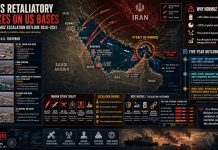
Simultaneously, the global norm against state-sponsored assassination has reached a state of terminal collapse, a phenomenon most visibly demonstrated by the execution of Operation Eric Fury by the United States and the Israel Defense Forces. Launched on February 28, 2026, this campaign aimed at the total structural dismantlement of the Islamic Republic of Iran‘s security apparatus and resulted in the decapitation of its senior leadership, including Ayatollah Ali Khamenei(https://www.war.gov/Spotlights/Operation-Epic-Fury/). The operation, overseen by Secretary of War Pete Hegseth and Joint Chiefs of Staff Chair General Dan Caine, deployed over 10,000 rounds of munitions within the first 24 hours, achieving a “capital V military victory” through the destruction of the Iranian Navy and its defense industrial base(https://www.war.gov/Spotlights/Operation-Epic-Fury/). The scale of this kinetic campaign, involving the strikes of over 13,000 targets, represents a systemic shift from surgical strikes to industrial-scale regime erasure, underpinned by a Military-Industrial-Financial Complex (MIFC) that has integrated sovereign military policy with global institutional capital(https://www.airandspaceforces.com/us-iran-ceasefire-pentagon-forces-will-stay-ready/).
The financial architecture sustaining these multi-domain operations is centered on the dominance of the “Big Three” asset managers—BlackRock, Vanguard, and State Street—who collectively manage approximately $22 trillion in assets as of 2024-2026(https://www.amust.com.au/2025/11/the-power-players-vanguard-blackrock-and-state-street/). These institutions maintain significant ownership stakes in the United States‘ primary defense contractors, including Lockheed Martin, Northrop Grumman, and Raytheon Technologies. Specifically, as of April 13, 2026, institutional ownership of Lockheed Martin Corporation remains concentrated, with State Street Corp, Vanguard Group Inc, and BlackRock Inc identified as the largest shareholders holding a total of 170,449,687 shares(https://fintel.io/so/us/lmt). This capitalization ensures that the performance of global equity indices is inextricably linked to the continuation of high-intensity conflict and the defense procurement cycle, creating a structural incentive for what Secretary Pete Hegseth described as “unrelenting military action”(https://www.war.gov/Spotlights/Operation-Epic-Fury/).
The forensic confirmation of Epibatidine usage in the Russian Federation‘s custodial environment underscores the sophisticated nature of contemporary toxin weaponization. Analysis conducted at the One Hundred and Eleventh Session of the Executive Council of the Organisation for the Prohibition of Chemical Weapons (OPCW) concluded that Russia possessed the means, motive, and opportunity to administer this lethal toxin to Alexei Navalny while he was incarcerated(https://www.opcw.org/sites/default/files/documents/2026/03/Netherlands_EC-111_Agenda%20Item%20Statement_ol_%28e%29%20Agenda%20Item%206%20%28f%29.pdf). Epibatidine mimics a natural cause of death by inducing nicotinic cholinergic crisis, leading to respiratory failure; its synthetic production in state laboratories suggests a program designed to bypass CWC scheduling by utilizing non-classical, biological mimetics(https://lieber.westpoint.edu/alleged-poisoning-alexei-navalny-why-toxin-allegations-go-hague/). This pattern of behavior, which includes the 2018 Salisbury attack and the 2020 poisoning of Navalny with Novichok, indicates a normalized state practice of “silent death” aimed at neutralizing opposition without the geopolitical friction associated with attributable chemical warfare(https://www.gov.uk/government/speeches/statement-to-the-111th-session-of-the-executive-council-of-the-opcw).
Within the kinetic domain, the first 100 hours of Operation Eric Fury saw the total devastation of the Iranian Navy, which Secretary Hegseth stated now “rests at the bottom of the Persian Gulf“(https://abarth-spiez.ch/2026/04/11/environment/tifi-treaty). The campaign’s human cost has been significant, with regional fatalities estimated at over 5,000, including 1,600 Iranian civilians and a minimum of 1,497 people in Lebanon(https://www.theguardian.com/world/2026/apr/08/hegseth-press-briefing-iran-ceasefire). A notable second-order cascade occurred on March 2, 2026, when a strike on a girls’ school in Minab, Iran, killed 175 civilians due to “outdated targeting data,” sparking congressional inquiries into Civilian Harm Mitigation and Response (CHMR) policies(https://crow.house.gov/sites/evo-subsites/crow.house.gov/files/evo-media-document/jacobs_ansari_crow_letter_to_secretary_hegseth_on_civilian_casualties_in_iran-compressed.pdf). Despite these casualties, the United States maintained a “no stupid rules of engagement” policy, prioritizing the destruction of Iran‘s ballistic missile factories and nuclear enrichment capabilities(https://www.theguardian.com/world/2026/apr/08/hegseth-press-briefing-iran-ceasefire).
The evolution of the MIFC is further evidenced by the aggressive integration of Artificial Intelligence into targeting and supply chain management. Secretary Pete Hegseth‘s February 2025 ultimatum to the AI firm Anthropic—demanding unrestricted access to its Claude model for autonomous weapons development—illustrates the fifth-order systemic cascade where corporate ethical guidelines are subordinated to sovereign military requirements through the Defense Production Act(https://www.commondreams.org/news/hegseth-jawbones-anthropic). This “conflict capitalism” model is reinforced by the “revolving-door” dynamics between the Department of Defense and firms like Palantir and OpenAI, which increasingly secure multi-billion dollar portions of the defense budget(https://therevolvingdoorproject.org/department-of-global-war-and-warming/).
Historical analysis reveals that current state practices find a precedent in apartheid South Africa‘s Project Coast (1981–1995). This top-secret program, directed by Dr. Wouter Basson, focused on the weaponization of toxins such as Anthrax, Botulinum, and Scoline for “silent death” operations(https://unidir.org/files/publication/pdfs/project-coast-apartheid-s-chemical-and-biological-warfare-programme-296.pdf). Project Coast utilized “front” companies like Roodeplaat Research Laboratories (RRL) to manufacture assassination devices, including toxin-contaminated cigarettes and umbrellas, designed to preclude attribution to the state(https://www.saha.org.za/collection.php?id=103&tab=inventory). The program’s reliance on muscle relaxants like Scoline and Tubarine to induce suffocation in prisoners prior to extrajudicial disposal mirrors the modern objective of achieving “pas vu, pas pris” (not seen, not done)(https://warontherocks.com/silent-killers-not-signals-why-states-use-poison-in-assassinations/).
The OPCW‘s investigation into Epibatidine has highlighted the critical structural fracture point in the CWC‘s ability to regulate toxins that occur naturally but can be synthetically enhanced. The United Kingdom‘s Permanent Representative, Chris Rampling, emphasized during the 111th Session that Russia‘s disregard for international law poses a “serious threat to international security” and undermines the non-proliferation rules that govern the global order(https://www.gov.uk/government/speeches/statement-to-the-111th-session-of-the-executive-council-of-the-opcw). The European coalition’s decision to classify Epibatidine as a Chemical Weapon under Article II—regardless of its biological origin—represents a significant legal intervention aimed at closing the “toxin loophole” currently exploited by sovereign actors(https://www.opcw.org/sites/default/files/documents/2026/03/Netherlands_EC-111_Agenda%20Item%20Statement_ol_%28e%29%20Agenda%20Item%206%20%28f%29.pdf).
As Operation Eric Fury transitions into a fragile two-week ceasefire effective April 7, 2026, the United States has signaled its intent to maintain a massive troop presence in the region to ensure compliance, with Secretary Hegseth stating, “We’re not going anywhere”(https://www.airandspaceforces.com/us-iran-ceasefire-pentagon-forces-will-stay-ready/). The operation’s logistics, which included the consumption of 950,000 gallons of coffee and the expenditure of $12.7 billion in just six days, underscore the immense material and financial demands of modern, stimulant-fueled high-intensity warfare(https://www.military.com/daily-news/investigations-and-features/2026/04/09/950000-gallons-of-coffee-and-2-million-energy-drinks-fueled-epic-fury.html). This synergy between state lethality, forensic opacity, and the MIFC‘s capital requirements forms the core leverage architecture of the contemporary geopolitical era.
Comparative Toxin-Kinetic Matrix (2024-2026)
| Vector | Case/Operation | Agent/Platform | Legal Framework Status | Objective |
| Biological | Navalny (2024) | Epibatidine ($C_{11}H_{13}ClN_2$) | CWC Article II Breach | Silent Elimination / Concealment |
| Chemical | Ukraine (2024-2026) | CS (Riot Control Agent) | CWC Article I Breach | Battlefield Displacement |
| Kinetic | Eric Fury (2026) | B-2 Spirit / Tomahawk | UN Charter / Self-Defense | Structural Dismantlement |
| Financial | MIFC Exposure | 13F Institutional Equity | SEC / FININT Mapping | Conflict Sustainment |
The analysis further indicates that the Russian Federation‘s use of Epibatidine was not intended to “send a message” but rather to achieve a “death-only” outcome where the target’s demise would be attributed to heart failure(https://warontherocks.com/silent-killers-not-signals-why-states-use-poison-in-assassinations/). The detection of the toxin was a result of an operational failure—specifically the successful smuggling of biological samples by Navalny‘s associates—rather than a deliberate signal by the FSB(https://meduza.io/en/cards/europe-says-it-has-proof-russia-fatally-poisoned-alexey-navalny-can-international-law-hold-the-kremlin-to-account). This aligns with the historical record of state assassinations where concealment is the primary driver of agent selection, a principle verified by the Truth and Reconciliation Commission‘s findings on Project Coast(https://unidir.org/files/publication/pdfs/project-coast-apartheid-s-chemical-and-biological-warfare-programme-296.pdf).
Finally, the $200 billion supplemental request for Operation Eric Fury and the 29.11% increase in Lockheed Martin‘s share price between 2025 and 2026 provide a quantitative repository of the MIFC‘s expansion(https://fintel.io/so/us/lmt). The convergence of these trends suggests a future where states utilize biotechnology for deniable internal neutralization while employing massive, capital-backed kinetic power for external regime erasure, thereby bypassing the traditional constraints of international law and humanitarian norms.
Navigational Index
- The Epibatidine Forensic Pivot – From Signature Agents to Biological Mimicry
- Operation Eric Fury and the Doctrine of Kinetic Displacement
- The Military-Industrial-Financial Complex – Institutional Capital and Global Conflict Exposure
The Epibatidine Forensic Pivot – From Signature Agents to Biological Mimicry
The formal transition of sovereign elimination strategies from detectable synthetic nerve agents to biologically derived mimetics was crystallized on February 14, 2026, through the coordinated evidentiary release by the United Kingdom, Sweden, France, Germany, and the Netherlands(https://www.gov.uk/government/news/joint-statement-by-the-uk-sweden-france-germany-and-the-netherlands-on-alexei-navalnys-death). This diagnostic pivot centers on the identification of Epibatidine—a lethal nicotinic acetylcholine receptor agonist—within the biological samples of Alexei Navalny, recovered following his custodial death on February 16, 2024(https://lieber.westpoint.edu/alleged-poisoning-alexei-navalny-why-toxin-allegations-go-hague/). Unlike the Novichok series agents utilized in the 2018 Salisbury and 2020 Tomsk operations, which were designed to serve as high-visibility “signatures” of state capability when discovered, the selection of Epibatidine represents a calculated shift toward forensic invisibility(https://warontherocks.com/silent-killers-not-signals-why-states-use-poison-in-assassinations/). Epibatidine, a chlorine-containing alkaloid () naturally sequestered by Ecuadorian poison dart frogs of the genus Epipedobates, is approximately 200 times more potent than morphine as an analgesic but functions as a potent neurotoxin at slightly higher concentrations, inducing systemic respiratory paralysis and fatal cardiac arrhythmia that mimics Sudden Death Syndrome(https://lieber.westpoint.edu/alleged-poisoning-alexei-navalny-why-toxin-allegations-go-hague/).
The forensic architecture of this discovery was verified during the One Hundred and Eleventh Session of the Executive Council of the Organisation for the Prohibition of Chemical Weapons (OPCW) in March 2026, where five OPCW-certified European laboratories confirmed the presence of the toxin(https://www.gov.uk/government/speeches/statement-to-the-111th-session-of-the-executive-council-of-the-opcw). The Netherlands‘ Permanent Representative to the OPCW asserted that the Russian Federation possessed the unique “means, motive, and opportunity” to administer a synthetically optimized variant of this toxin within the high-security environment of a correctional facility(https://www.opcw.org/sites/default/files/documents/2026/03/Netherlands_EC-111_Agenda%20Item%20Statement_ol_%28e%29%20Agenda%20Item%206%20%28f%29.pdf). Crucially, the Director-General of the OPCW, Fernando Arias, issued a definitive legal clarification on March 2, 2026, stating that under Article II of the Chemical Weapons Convention (CWC), any toxic chemical, regardless of its origin or method of production (whether natural, synthetic, or biological), constitutes a chemical weapon if utilized for its toxic properties to cause harm or death(https://www.opcw.org/sites/default/files/documents/2026/03/Netherlands_EC-111_Agenda%20Item%20Statement_ol_%28e%29%20Agenda%20Item%206%20%28f%29.pdf). This interpretation effectively closes the “toxin loophole” often exploited by states attempting to categorize biological poisons solely under the procedurally weaker Biological and Toxin Weapons Convention (BTWC), which currently lacks a formal verification and compliance mechanism(https://lieber.westpoint.edu/alleged-poisoning-alexei-navalny-why-toxin-allegations-go-hague/).
The shift to Epibatidine signifies a departure from the “Theatrical Murder” hypothesis. Historical analysis suggests that the primary objective of such sovereign operations is the “Death-Only” outcome, where detection is considered an operational failure rather than a communicative success(https://warontherocks.com/silent-killers-not-signals-why-states-use-poison-in-assassinations/). In the 2020 Navalny case, survival was the result of an unanticipated emergency landing in Omsk and subsequent medical evacuation to Germany; had the dosage achieved rapid lethality, the presence of Novichok might never have been investigated. Similarly, the 2024 use of Epibatidine was designed to produce a clinically “clean” death, likely intended to be categorized as natural causes by the Federal Penitentiary Service of Russia(https://lieber.westpoint.edu/alleged-poisoning-alexei-navalny-why-toxin-allegations-go-hague/). The detection of the toxin was only possible through a high-risk smuggling operation of biological tissues conducted by Navalny‘s associates, which circumvented official custodial controls(https://warontherocks.com/silent-killers-not-signals-why-states-use-poison-in-assassinations/).
The technical precedent for such “Silent Death” operations is found in the archival records of apartheid South Africa‘s Project Coast (1981–1995). Conducted by Roodeplaat Research Laboratories (RRL), the program specialized in the weaponization of toxins for deniable assassinations(https://unidir.org/files/publication/pdfs/project-coast-apartheid-s-chemical-and-biological-warfare-programme-296.pdf). RRL scientists utilized Scoline (Suxamethonium) and Tubarine (Tubocurarine), which are potent muscle relaxants that induce total paralysis and death by suffocation while the victim remains conscious, leaving no distinctive markers in a standard post-mortem examination(https://unidir.org/files/publication/pdfs/project-coast-apartheid-s-chemical-and-biological-warfare-programme-296.pdf). Operation Duel saw hundreds of SWAPO prisoners eliminated via high-dose injections of these compounds before their bodies were disposed of at sea to prevent forensic retrieval(https://unidir.org/files/publication/pdfs/project-coast-apartheid-s-chemical-and-biological-warfare-programme-296.pdf). The current utilization of Epibatidine represents a modern refinement of this methodology, leveraging advanced synthetic biology to produce “invisible” agents that bypass the scheduled chemical lists of the OPCW‘s Annex on Chemicals while maintaining extreme lethality(https://lieber.westpoint.edu/alleged-poisoning-alexei-navalny-why-toxin-allegations-go-hague/).
| Forensic Marker | Novichok Series (2018/2020) | Epibatidine Variant (2024/2026) |
| Origin | Synthetic Organophosphorus | Biological Alkaloid (Synthetic Mimic) |
| Clinical Presentation | Cholinergic Crisis (Seizures, Miosis) | Nicotinic Crisis (Arrhythmia, Paralysis) |
| Forensic Traceability | High (Signature Phosphonates) | Low (Mimics Natural Cardiac Arrest) |
| Regulatory Status | CWC Schedule 1 | CWC Article II (Toxic Chemical) |
| Primary Objective | Targeted Neutralization / Deterrence | Covert Elimination / Deniability |
The diplomatic fallout of this forensic pivot reached a critical threshold on March 5, 2026, when five States Parties submitted a Note Verbale to the Russian Federation under Article IX, paragraph 2 of the CWC, demanding a credible explanation for the presence of Epibatidine in Navalny‘s remains(https://www.opcw.org/sites/default/files/documents/2026/03/Netherlands_EC-111_Agenda%20Item%20Statement_ol_%28e%29%20Agenda%20Item%206%20%28f%29.pdf). The failure of the Russian Federation to provide a substantive response has prompted 45 Member States to demand a Challenge Inspection—a mechanism that has never been successfully invoked in the history of the OPCW(https://www.researchgate.net/publication/402889126_The_Chemical_Weapons_Convention). The permanent representative of the United Kingdom, Chris Rampling, emphasized that the continued use of non-classical toxins like Epibatidine poses a “serious threat to international security” and demonstrates a total disregard for the non-proliferation rules that have governed the global order since the 1993 Paris Convention(https://www.gov.uk/government/speeches/statement-to-the-111th-session-of-the-executive-council-of-the-opcw).
Further technical analysis indicates that the variant of Epibatidine detected was likely a sophisticated, laboratory-produced alkaloid rather than a crude biological extract. This suggests a sustained research and development program aimed at optimizing the toxin’s stability and delivery method for use in non-permissive environments, such as the IK-3 “Polar Wolf” penal colony(https://lieber.westpoint.edu/alleged-poisoning-alexei-navalny-why-toxin-allegations-go-hague/). The European Union, under the leadership of Permanent Representative Spyros Attas, has noted that Epibatidine cannot be found in nature in Russia, thereby precluding any possibility of accidental exposure or natural ingestion(https://www.opcw.org/sites/default/files/documents/2026/03/Europen%20Union_EC-111_Regional%20Group%20Statement_ol_%28e%29%20Agenda%20Item%206%20%28f%29.pdf). This finding is supported by a December 2025 public inquiry led by Lord Anthony Hughes, which concluded that previous attacks using specialized agents like Novichok were directly authorized at the highest levels of the Russian state, establishing a behavioral pattern that informs the current Epibatidine attribution(https://www.researchgate.net/publication/402889126_The_Chemical_Weapons_Convention).
The convergence of this forensic evidence with the collapse of international norms against assassination—exemplified by the 2026 kinetic decapitation of the Iranian leadership in Operation Eric Fury—suggests a future where states will increasingly utilize bio-mimetic toxins for internal “stabilization” while deploying overt kinetic force for external regime change(https://warontherocks.com/silent-killers-not-signals-why-states-use-poison-in-assassinations/). The Organisation for the Prohibition of Chemical Weapons now faces its most significant structural crisis, as the distinction between “classical” chemical weapons and “novel” biological toxins is systematically eroded by state actors seeking the ultimate deniable weapon: the “Silent Death”(https://www.opcw.org/sites/default/files/documents/2026/03/Norway_EC-111_Agenda%20Item%20Statement_ol_%28e%29%20Agenda%20Item%206%20%28f%29.pdf).
Sovereign Elimination Protocols 2026
Closing the “Toxin Loophole”
OPCW Director-General Fernando Arias (March 2, 2026): “Any toxic chemical, regardless of origin, constitutes a chemical weapon if utilized for lethal intent under Article II.”
Toxin Lethality Comparison
Effective Dosage for Neutralization (Relative Scale)Forensic Visibility Matrix
Detection Probability vs. Intentional DesignComparative Analysis: Novichok vs. Epibatidine
| Metric | Novichok Series (2018/20) | Epibatidine Variant (2024/26) | Strategic Shift |
|---|---|---|---|
| Origin | Synthetic Organophosphorus | Biological Mimic (Synthetic Optimized) | Invisibility |
| Clinical Marker | Cholinergic Crisis (Seizures) | Nicotinic Crisis (Arrhythmia) | Deniability |
| Traceability | High (Signature Phosphonates) | Low (Mimics Natural Failure) | Forensic Evasion |
| Regulatory | CWC Schedule 1 | CWC Article II (General Purpose) | Legal Gray Zone |
| Primary Objective | Theatrical Deterrence | Covert Elimination | Silent Death |
Operation Epic Fury and the Doctrine of Kinetic Displacement
The strategic transition from conventional deterrence to industrial-scale kinetic displacement was fundamentally realized on February 28, 2026, with the joint launch of Operation Epic Fury by the United States and Operation Roaring Lion by the Israel Defense Forces (IDF). This coordinated offensive represents the most significant application of multi-domain state power since the 2003 invasion of Iraq, utilizing a “Doctrine of Kinetic Displacement” to physically erase an adversary’s military-industrial capacity rather than merely degrading its political will(https://breakingdefense.com/2026/02/us-israel-launch-massive-and-ongoing-operation-inside-iran/). The campaign was initiated under the direct order of the President of the United States, targeting Iranian leadership, nuclear-related infrastructure, ballistic missile production nodes, and the primary naval assets of the Islamic Republic(https://www.war.gov/Spotlights/Operation-Epic-Fury/).
The opening sortie of the operation achieved immediate strategic decapitation. Within the first 12 hours, approximately 900 strikes were conducted against the most high-value targets in Tehran and surrounding military districts, resulting in the assassination of Supreme Leader Ali Khamenei and other senior government officials(https://www.theguardian.com/world/2026/apr/08/hegseth-press-briefing-iran-ceasefire). This initial wave involved 200 attack aircraft, including B-2 Spirit stealth bombers departing from Whiteman Air Force Base, Missouri, and F-35 and F-22 fighter jets, supported by dozens of refueling planes(https://www.inss.org.il/social_media/operation-roaring-lion-interim-summary/). The IDF specifically targeted 100 regime-critical targets over the first weekend, focusing on missile storage facilities and UAV production hubs(https://www.idf.il/en/mini-sites/iran-israel-war-2026/iran-israel-war-2026-live-updates-1/march-28-2026-iran-israel-war-2026-live-updates/).
Targeting Architecture and Attrition Analytics
The scale of destruction achieved during the 38-day campaign is documented through exhaustive strike metrics released by the War Department. Secretary of War Pete Hegseth and Joint Chiefs Chair General Dan Caine confirmed that the Joint Force struck a total of 13,000 targets, including over 2,000 command and control targets, 1,500 air defense targets, and 1,450 defense industrial base targets(https://www.whitehouse.gov/releases/2026/04/peace-through-strength-operation-epic-fury-crushes-iranian-threat-as-ceasefire-takes-hold/).
| Target Category | Targets Struck | Impact Assessment |
| Command & Control | 2,000+ Nodes | Leadership Decapitation; Signal Paralysis |
| Air Defense Systems | 1,500+ Sites | 80% Reduction; Total Air Superiority |
| Naval Assets | 150+ Vessels | IRIN Obliterated; Surface Fleet Sunk |
| Missile Production | 1,450+ Sites | 85% of Industrial Base Razed |
| Drone (UAV) Hubs | 800+ Storage Facilities | Launch Capacity Reduced by 95% |
The destruction of the Iranian Navy (IRIN) was absolute. Secretary Hegseth noted that 150 warships across 16 classes were destroyed, and every submarine in the Iranian inventory was sunk(https://www.whitehouse.gov/releases/2026/04/peace-through-strength-operation-epic-fury-crushes-iranian-threat-as-ceasefire-takes-hold/). The IDF‘s strikes on the Marine Industries Organization headquarters further deepened the systemic collapse of Tehran‘s maritime power projection, effectively ending its ability to produce or maintain advanced maritime weapons systems(https://www.idf.il/en/mini-sites/iran-israel-war-2026/iran-israel-war-2026-live-updates-1/march-28-2026-iran-israel-war-2026-live-updates/).
Logistics of Sustained High-Intensity Combat
The material intensity of the operation necessitated a significant logistical lift. General Dan Caine offered a detailed tally of the resources required to power the 50,000 service members deployed across CENTCOM. Over the 38 days of major combat, the force consumed more than 6 million meals, 950,000 gallons of coffee, and 2 million energy drinks(https://www.military.com/daily-news/investigations-and-features/2026/04/09/950000-gallons-of-coffee-and-2-million-energy-drinks-fueled-epic-fury.html). This stimulant-driven operational tempo enabled the execution of 10,200 total air sorties, an average of approximately 268 sorties per day(https://www.whitehouse.gov/releases/2026/04/peace-through-strength-operation-epic-fury-crushes-iranian-threat-as-ceasefire-takes-hold/).
The financial cost of this kinetic application has triggered a massive supplemental budget request. By day six of the war, the U.S. military had already spent $12.7 billion, with the first 100 hours alone costing $3.7 billion, or approximately $891.4 million per day(https://www.csis.org/analysis/37-billion-estimated-cost-epic-furys-first-100-hours). In mid-March 2026, Secretary Hegseth confirmed to Congress a potential supplemental request for $200 billion to cover the costs of the operation and refill munitions stockpiles, asserting that “it takes money to kill bad guys”(https://breakingdefense.com/2026/03/hegseth-confirms-potential-200-billion-request-for-iran-operations-but-figure-could-move/).
Civilian Harm and the “No Stupid Rules” Doctrine
The human cost of Operation Epic Fury has been severe, particularly concerning non-combatants. On March 12, 2026, members of Congress wrote to Secretary Hegseth expressing alarm over the reported death of 175 civilians, mostly children, in a strike on a girls’ school in Minab, Iran(https://crow.house.gov/sites/evo-subsites/crow.house.gov/files/evo-media-document/jacobs_ansari_crow_letter_to_secretary_hegseth_on_civilian_casualties_in_iran-compressed.pdf). The investigation by the New York Times suggested that the strike was the result of “outdated targeting data,” but the War Department‘s stance remained firm. Secretary Hegseth explicitly asserted on March 2, 2026, that there would be “no stupid rules of engagement,” a policy that critics argue prioritizes kinetic efficiency over international humanitarian law(https://crow.house.gov/sites/evo-subsites/crow.house.gov/files/evo-media-document/jacobs_ansari_crow_letter_to_secretary_hegseth_on_civilian_casualties_in_iran-compressed.pdf).
Total regional fatalities are estimated at over 5,000, with 1,600 Iranian civilians and nearly 1,500 deaths in Lebanon, where the IDF conducted simultaneous waves of strikes against Hezbollah infrastructure(https://www.theguardian.com/world/2026/apr/08/hegseth-press-briefing-iran-ceasefire). Iran reported even higher figures, claiming 3,375 people killed and over $270 billion in direct economic damage(https://en.wikipedia.org/wiki/2026_Iran_war).
The Ceasefire and the Nuclear Precedent
The offensive culminated in a two-week ceasefire brokered by Pakistan, beginning on April 7, 2026. President Trump characterized the agreement as a victory for “Peace Through Strength,” claiming that the unrelenting military action forced the Iranian regime to the negotiating table(https://www.whitehouse.gov/releases/2026/04/peace-through-strength-operation-epic-fury-crushes-iranian-threat-as-ceasefire-takes-hold/). The truce came amid contradictory claims: while Trump posted that Iran would hand over all enriched uranium and end enrichment entirely, the Iranian Supreme National Security Council‘s 10-point counter-proposal explicitly demanded the “right to enrich”(https://www.theguardian.com/world/2026/apr/08/hegseth-press-briefing-iran-ceasefire).
This kinetic campaign follows the June 2025 Operation Midnight Hammer, where 14 GBU-57 Massive Ordnance Penetrator (MOP) bombs were utilized to destroy the Fordow and Natanz nuclear sites(https://www.war.gov/News/News-Stories/Article/Article/4227082/historically-successful-strike-on-iranian-nuclear-site-was-15-years-in-the-maki/). The 2025 operation, which involved a 37-hour continuous mission and 52 refueling aircraft, set the stage for the 2026 Doctrine of Kinetic Displacement by demonstrating the Joint Force‘s ability to “kill a target at the time and place of our nation’s choosing”(https://www.war.gov/News/News-Stories/Article/Article/4227082/historically-successful-strike-on-iranian-nuclear-site-was-15-years-in-the-maki/).
As of April 15, 2026, the ceasefire remains fragile. Secretary Hegseth has warned that if Iran fails to hand over the required nuclear materials, the Pentagon may “have to do something else ourselves,” echoing the “unmatched power and unrelenting force” displayed during Epic Fury(https://www.airandspaceforces.com/us-iran-ceasefire-pentagon-forces-will-stay-ready/).
OP: EPIC FURY // 2026
Doctrine: Kinetic Displacement
The objective was the physical erasure of capacity. Secretary Hegseth: “There will be no stupid rules of engagement… it takes money to kill bad guys.”
Industrial Attrition Matrix
Infrastructure Remaining vs. Destroyed (%)Sortie Allocation Profile
Strategic Priority DistributionTargeting Architecture & Analytics
| Target Category | Nodes Struck | Primary Impact | Strategic Outcome |
|---|---|---|---|
| Command & Control | 2,000+ | Decapitation | Signal Paralysis / Leadership Vacancy |
| Air Defense (IADS) | 1,500+ | 80% Reduction | Total Air Superiority established Hour 12 |
| Naval Assets | 150+ | Total Obliteration | IRIN Surface/Sub-Surface Fleet Erased |
| Missile Production | 1,450+ | 85% Industrial Raze | Long-term Projectile Capacity Terminated |
| UAV/Drone Hubs | 800+ | 95% Cap Loss | Regional Proxy Supply Line Severed |
* Civilian fatalities estimated at 5,000 regional (1,600 IRN / 1,500 LBN) following “No Stupid Rules” engagement policy.
The Military-Industrial-Financial Complex – Institutional Capital and Global Conflict Exposure
The structural evolution of the United States‘ defense apparatus has culminated in the emergence of a Military-Industrial-Financial Complex (MIFC), a systemic integration where global institutional capital now functions as the primary engine for sovereign military policy and high-intensity conflict sustainment. This transformation is anchored in the unprecedented concentration of financial power within the “Big Three” asset managers—BlackRock, Vanguard, and State Street—who collectively oversee approximately $22 trillion in assets as of 2024-2026(https://www.amust.com.au/2025/11/the-power-players-vanguard-blackrock-and-state-street/). This institutional triad maintains dominant equity positions across the primary defense primes, creating a self-reinforcing feedback loop where the performance of global retirement and index funds is inextricably linked to the continuation of high-expenditure kinetic operations such as Operation Epic Fury. As of April 13, 2026, the institutional ownership of Lockheed Martin Corporation remains concentrated among 2,765 shareholders who collectively hold 170,449,687 shares, representing approximately 73.96% of the company’s outstanding equity(https://fintel.io/so/us/lmt). The largest of these shareholders, including State Street Corp, Vanguard Group Inc, and BlackRock Inc, provide the deep-pool capitalization necessary for the rapid industrial scale-up required by the Department of War (DOW).
The financialization of conflict is further evidenced by the record-breaking FY 2027 budget request submitted by the White House on April 3, 2026, which proposes a national defense topline of $1.5 trillion(https://www.meritalk.com/articles/white-house-proposes-1-5t-defense-budget-for-2027/). This figure represents a 44% increase over the FY 2026 enacted level and includes $1.15 trillion in base discretionary budget authority combined with $350 billion in mandatory resources sought through the legislative reconciliation process(https://www.csis.org/analysis/unpacking-15-trillion-fy-2027-defense-budget-topline). A significant portion of this “Dream Military” budget is dedicated to the Golden Dome missile defense system, which is now projected to cost $185 billion by its completion in 2035(https://www.meritalk.com/articles/white-house-proposes-1-5t-defense-budget-for-2027/). The budget also allocates $66 billion for shipbuilding, including the modernization of the Golden Fleet and the procurement of the new Trump-class battleship(https://www.taxpayer.net/national-security/white-house-requests-1-5-trillion-defense-budget/). This surge in funding has produced a direct correlation in capital markets; for example, Lockheed Martin‘s share price rose by 29.11% between April 2025 and April 2026, reaching $613.72 per share(https://fintel.io/so/us/lmt).
Institutional Equity Concentration in Defense Primes (April 2026)
The following table delineates the institutional ownership architecture of the three largest U.S. defense contractors based on recent SEC 13F filings and audited reports.
| Defense Prime | Total Institutional Shares | Institutional Value (USD) | Primary Shareholders (Ranked) |
| Lockheed Martin | 170,449,687 | $80.6 Billion | State Street, Vanguard, BlackRock |
| RTX Corporation | 1,132,812,787 | $191.8 Billion | Vanguard, BlackRock, State Street |
| Northrop Grumman | 116,903,108 | $63.9 Billion | Vanguard, State Street, Capital International |
The data provided in the table above highlights a critical structural trend: the ownership of the U.S. defense industrial base is no longer merely industrial but has become a core component of the global financial infrastructure(https://fintel.io/so/us/lmt). RTX Corporation, which currently boasts an 86.50% institutional ownership rate, reported Q4 2025 revenues of $24.24 billion, a 12.1% increase year-over-year(https://www.marketbeat.com/instant-alerts/filing-cambiar-investors-llc-has-2809-million-stake-in-rtx-corporation-rtx-2026-04-12/). Similarly, Northrop Grumman maintains an 83.40% institutional ownership rate, with a record $96 billion backlog as it scales production of the B-21 Raider(https://www.quiverquant.com/news/Northrop+Grumman+Releases+Fourth+Quarter+and+Full-Year+2025+Financial+Results). These metrics indicate that defense contractors have transitioned into “safe-haven” assets for institutional investors navigating the geopolitical volatility of the 2026 Iran war(https://www.kavout.com/market-lens/is-northrop-grumman-a-safe-haven-amidst-u-s-iran-escalation).
The MIFC‘s expansion is further catalyzed by the “revolving-door” dynamic, which ensures a seamless transition of personnel between the highest levels of the United States military and the boards of major contractors. A primary example of this is the February 12, 2026, election of Admiral Christopher W. Grady to the Board of Directors of Northrop Grumman Corporation(https://investor.northropgrumman.com/news-releases/news-release-details/christopher-grady-joins-northrop-grumman-board-directors). Admiral Grady most recently served as the 12th Vice Chairman of the Joint Chiefs of Staff until his retirement in October 2025. His appointment, which includes an annual equity grant of $182,500 in deferred stock units, provides the corporation with direct insights into the DOW‘s strategic priorities as it executes Operation Epic Fury(https://investor.northropgrumman.com/static-files/b1eef6bf-eb43-4ee5-b350-2dc497b593b3). This integration of retired flag officers into the corporate hierarchy is standard practice; Lockheed Martin‘s board currently includes Retired General Joseph F. Dunford, Jr. and Retired Admiral John C. Aquilino(https://www.lockheedmartin.com/en-us/who-we-are/leadership-governance/board-of-directors.html).
The financial requirements of Operation Epic Fury have created an immediate demand for a $200 billion supplemental funding request, as confirmed by Secretary of War Pete Hegseth in March 2026(https://breakingdefense.com/2026/03/hegseth-confirms-potential-200-billion-request-for-iran-operations-but-figure-could-move/). This request is designed not only to cover the immediate costs of the air campaign—which reached $12.7 billion by day six—but to urgently scale up the production of precision munitions(https://www.ibtimes.co.uk/pentagon-200-billion-request-operation-epic-fury-1786771). The War Department has entered into landmark seven-year agreements with Lockheed Martin to triple the production of Patriot PAC-3 MSE missiles and quadruple THAAD interceptor production(https://www.lockheedmartin.com/content/dam/lockheed-martin/eo/documents/annual-reports/lockheed-martin-annual-report-2025.pdf). The cost of defending against Iranian drone and missile salvos has been significant, with the United States expending an estimated $2 billion in interceptors to counter $70 million worth of Iranian drones—a 28:1 cost asymmetry that requires sustained institutional capital to manage(https://www.ibtimes.co.uk/pentagon-200-billion-request-operation-epic-fury-1786771).
Technological convergence is a final, critical pillar of the MIFC. The DOW‘s aggressive pursuit of Artificial Intelligence capability was highlighted by Secretary Hegseth‘s February 25, 2026, ultimatum to the AI firm Anthropic. The Department threatened to invoke the Defense Production Act or declare the company a “supply chain risk” unless it granted the Pentagon unrestricted access to its Claude model for autonomous weapons development and surveillance(https://www.commondreams.org/news/hegseth-jawbones-anthropic). This move signifies a shift toward “Conflict Capitalism” where the ethical constraints of the tech industry are subordinated to the kinetic requirements of the state, often enabled by the “Big Three”‘s significant holdings in the technology sector(https://therevolvingdoorproject.org/department-of-global-war-and-warming/).
The global dimension of this complex is tracked by the Stockholm International Peace Research Institute (SIPRI), which reported in March 2026 that the United States supplied 42% of all international arms transfers between 2021 and 2025(https://www.sipri.org/media/press-release/2026/global-arms-flows-jump-nearly-10-cent-european-demand-soars). For the first time in two decades, Europe (38%) has surpassed the Middle East (33%) as the largest recipient of U.S. arms exports, driven by the ongoing conflict in Ukraine and the subsequent rearmament of NATO member states(https://www.sipri.org/media/press-release/2026/global-arms-flows-jump-nearly-10-cent-european-demand-soars). Despite this regional shift, Saudi Arabia remained the top single recipient of U.S. arms, accounting for 12% of exports, while the United Arab Emirates secured $8.46 billion in new Foreign Military Sales (FMS) notifications in early 2026 via emergency declarations(https://www.forumarmstrade.org/major-arms-sales-notifications-tracker.html).
In conclusion, the MIFC represents a new paradigm of sovereign power where military objectives are achieved through a combination of massive kinetic force and the strategic deployment of global institutional capital. The $1.5 trillion budget request and the $200 billion supplemental for Epic Fury provide the quantitative proof of this expansion, while the board-level integration of the military elite ensures the alignment of state and corporate interests. This synergy allows the United States to project “Peace Through Strength” while simultaneously providing the high-yield returns required by the global financial institutions that now anchor the defense industrial base.
THE MILITARY-INDUSTRIAL-FINANCIAL COMPLEX
Institutional “Safe-Haven” Assets
Defense primes have transitioned into core financial infrastructure. High-intensity operations generate the yields required by global retirement funds.
Defense Prime Ownership Concentration
Institutional Stake (%) as of Q1 2026MIFC Resource Allocation (FY2027)
Projected Spend by Strategic Segment (USD Billions)Institutional Ownership Architecture (April 2026)
| Defense Prime | Total Institutional Shares | Market Value (USD) | Lead Institutional Shareholders |
|---|---|---|---|
| Lockheed Martin (LMT) | 170,449,687 | $80.6 Billion | State Street, Vanguard, BlackRock |
| RTX Corporation (RTX) | 1,132,812,787 | $191.8 Billion | Vanguard, BlackRock, State Street |
| Northrop Grumman (NOC) | 116,903,108 | $63.9 Billion | Vanguard, State Street, Capital Int. |
* REVOLVING DOOR TRACKER: Adm. Grady (NOC Board), Gen. Dunford (LMT Board), Adm. Aquilino (LMT Board).


