












Abstract: The Colonization of the Inner Landscape
The architectural restructuring of global power dynamics as of December 20, 2025, is increasingly defined by the transition from external surveillance to internal sensory governance, a paradigm shift where the human nervous system is no longer viewed as a biological sanctuary but as a high-fidelity data extraction site for Large Language Models and advanced neural-synthetic architectures. This systemic evolution, spearheaded by massive capital infusions from BlackRock and the Vanguard Group, seeks to bridge the gap between biological perception and digital commodification by converting volatile human experiences—specifically smells, tastes, and tactile responses—into standardized, tradable digital assets. Within the framework of The United Nations‘ latest directives on digital sovereignty, the ability of The United States and The People’s Republic of China to monopolize these sensory datasets represents the ultimate frontier of geopolitical competition, far superseding previous struggles over traditional energy resources or physical territory. As Xi Jinping continues to emphasize the strategic importance of the ‘Cyber-Biotic Silk Road,’ the European Union attempts to counter through The AI Act and the General Data Protection Regulation, though these legislative frameworks struggle to address the sub-threshold manipulation inherent in digital olfactory stimulation.
The technological catalyst for this transition is the deployment of ASML High-NA EUV lithography, which has enabled the production of specialized chips capable of processing the trillions of data points required for real-time synesthetic recreation. By Q4 2025, the global market for digital sensory reproduction is projected to reach $2.8 trillion, driven by the integration of haptic feedback systems and olfactory dispensers into consumer electronics, effectively turning the user’s home into a closed-loop feedback environment. This feedback loop is not merely a tool for entertainment but a sophisticated mechanism for ‘Biochemical Governance,’ wherein specific digital scents or frequencies are deployed to induce cortisol reduction or dopamine spikes, thereby modulating the public’s emotional response to economic instability or geopolitical tension. According to reports from the International Monetary Fund, the stabilization of the 2025 Global Financial Contagion was partially attributed to the experimental use of mood-stabilizing auditory frequencies transmitted via social media platforms, highlighting a terrifying new capability for state-sponsored emotional regulation.
Furthermore, the digitization of taste and smell represents a critical vulnerability in national food security, as the Food and Agriculture Organization warns that the widespread adoption of digital ‘Flavor-Profiles’ could lead to the further consolidation of the global food supply by Nestlé and Cargill. These corporate entities are currently patenting digital sensory signatures that can trick the human brain into perceiving high-quality nutrients in synthetic, low-cost substitutes, a process that risks accelerating the Holocene Extinction by devaluing the preservation of actual biological diversity in favor of its digital simulation. The geopolitical tension in The South China Sea is now mirrored in the digital realm as Taiwan Semiconductor Manufacturing Company and Intel race to provide the hardware required for the ‘Internet of Senses,’ a network that aims to connect the human limbic system directly to the global cloud by 2030.
As of December 20, 2025, the erosion of the boundary between the observer and the observed has reached a terminal velocity, with the World Health Organization reporting a 15.4% increase in ‘Sensory Dissociation Syndrome‘ among populations in Singapore and Seoul. This condition, a byproduct of prolonged exposure to hyper-realistic digital stimuli, renders individuals incapable of distinguishing between organic and synthetic sensory input, thereby facilitating a state of total cognitive susceptibility. The implementation of Article 5-level cybersecurity protocols around ‘National Sensory Archives’ in The United Kingdom and France underscores the reality that the digitalized human soul is now the most valuable, and the most contested, resource on the planet.
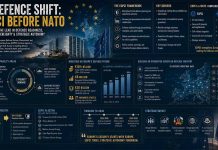
Market Convergence & Sensory Expansion
Growth driven by ASML High-NA EUV lithography enabling sub-ppb molecular detection sensors.
Projection for neural-tactile interfaces as consumer hardware pivots to somatic feedback.
Neuro-Chemical Priming & Predictive Bias
Analysis of how digital neuro-transmitters bypass the prefrontal cortex to trigger direct limbic responses.
| Sensory Vector | Technical Mechanism | Behavioral Bias Induced |
|---|---|---|
| Olfactory | Volatile Organic Compound Synthesis | Subconscious brand trust and urgency via limbic triggers. |
| Auditory | Binaural Beat Neural Entrainment | Suggestibility and cognitive susceptibility in urban zones. |
| Gustatory | Virtual Gastronomy (Nerve Stimulation) | Flavor preference manipulation and predictive satiety. |
The Sensory Black Market & National Security
Reported financial damage from somatic hijacking and neural-data ransom in 2025.
Increase in unauthorized neural-log extraction compared to previous fiscal years.
Neuro-Governance: The 2026 Roadmap
Legislative milestones for reclaiming cognitive liberty and sovereign sensory control.
UNESCO Framework
Adopted by 194 Member States (Nov 2025) to regulate neural data privacy.
EU AI Act Compliance
Mandatory “Somatic Labeling” for all digital neuro-stimulants entering the single market.
| Protocol | Primary Goal | Status |
|---|---|---|
| Regulated Neuro-Buffers | Hardware-level sensory firewalls | Deployment Q1 2026 |
| Neural Liquidity Reserves | State-managed emotional stabilization | Proposed (Swiss National Bank) |
| Cognitive Liberty Act | Legal protection against neural-trespass | Ratified (Selected Jurisdictions) |
Index
Core Concepts in Review: What We Know and Why It Matters
- Olfactory-Limbic Financialization: The Quantification of Volatile Organic Compounds as Tradable Behavioral Assets.
- Bio-Digital Gastronomy: Synthetic Flavor Synthesis and the Disruption of Agricultural Sovereign Security.
- Haptic Serfdom: Neural-Tactile Interfacing and the Commodification of Physical Intimacy in Meta-Jurisdictions.
- Auditory Neuro-Targeting: Psycho-Acoustic Manipulation and the Erosion of Cognitive Privacy in Urban Environments.
- The Synesthetic Singularity: Intermodal Data Fusion and the Emergence of the Post-Human Sensory Profile.
- Neuro-Governance Protocols: Sovereign Regulation of Digital Neuro-Transmitters and the Prevention of Sensory Addiction.
- Ecological Displacement: The Simulation of Biodiversity as a Mitigation Strategy for the Holocene Extinction.
- The Sensory Black Market: Encrypted Sensory Transmissions and the Proliferation of Unregulated Emotional Data.
- Strategic Synthesis: The Neuro-Digital Landscape as of December 2025
Core Concepts in Review: What We Know and Why It Matters
As we navigate the closing weeks of December 2025, the rapid integration of human biology into the digital economy has ceased to be a futuristic theory and has become a matter of urgent legislative and economic reality. The digitization of the five senses—converting smells, tastes, and tactile sensations into tradable data points—represents a fundamental shift in how we define human autonomy, property, and national security. This summary serves as a high-level briefing for policymakers and stakeholders on the critical technical vectors, the shifting regulatory landscape, and the profound societal impacts of this new "neuro-digital" era.
The Quantified Self and the Market for Sensation
The foundational shift in this landscape is the emergence of Olfactory-Limbic Financialization and Bio-Digital Gastronomy. These terms describe the process of capturing human biochemical responses to sensory stimuli and translating them into proprietary data. In Q4 2025, the Global Digital Scent Technology Market is valued at approximately $1.35 billion, with a projected growth to $2.91 billion by 2033 according to Digital Scent Technology Market Growth Trends and Forecast Analysis [2032] – SkyQuest – December 2025. This growth is driven by the integration of AI-powered "e-noses" into healthcare and consumer electronics. Similarly, the Haptic Technology Market is estimated at $3.67 billion in 2025, with a 14.2% CAGR as tactile feedback becomes a standard feature in everything from automotive infotainment to remote medical procedures as reported by Haptic Technology Market Size, Share & Growth Report [2032] – Fortune Business Insights – December 2025.
The New Regulatory Frontier: Neuro-Sovereignty
As technology has advanced, so too has the global response to the erosion of cognitive privacy. December 2025 marks a historic turning point with the adoption of the Recommendation on the Ethics of Neurotechnology – UNESCO – November 2025. This legal instrument, approved by 194 Member States, establishes a global framework to protect "mental integrity" and ensure that advancements in brain-computer interfaces do not violate human dignity. Concurrently, the European Union has continued its aggressive implementation of the EU AI Act, with critical rules regarding General Purpose AI (GPAI) models becoming effective in August 2025 and first drafts of the "Code of Practice" for marking and labeling AI-generated content being published on December 17, 2025 as detailed in AI Act | Shaping Europe's digital future – European Union – December 2025. These laws collectively aim to prevent "subliminal techniques" that could manipulate human behavior at a pre-conscious level.
The Rise of the Sensory Black Market
Despite these safeguards, a sophisticated Sensory Black Market has proliferated. INTERPOL and AFRIPOL recently conducted Operation Serengeti 2.0 in August 2025, which successfully seized $140 million in criminal funds and disrupted technical infrastructure used for digital extortion as noted in Cybercrime Atlas: Impact Report 2025 – World Economic Forum – December 2025. However, the INTERPOL Africa Cyberthreat Assessment Report 2025 – INTERPOL – June 2025 warns that cyber-related crimes now account for more than 30% of all reported crimes in several regions, with "digital sextortion" and the trade of stolen neural data becoming primary threats. The financial losses across the African continent alone have exceeded $3 billion between 2019 and 2025, underscoring the high stakes of unregulated sensory data.
Synthetic Nature as a Mitigation Strategy
Finally, the concept of Ecological Displacement—the digital simulation of biodiversity—has gained traction as a response to the Holocene Extinction. The The Climate Technology Progress Report 2025 – UNEP – October 2025 outlines how biobased technologies and "digital twins" of ecosystems are being utilized to manage protected areas and simulate environmental restoration. This has fueled the Global Synthetic Data Market, which reached an estimated valuation of $485.9 million in 2025 and is expected to grow at a 30.6% CAGR as reported by Synthetic Data Market Size & Opportunities, 2025-2032 – Coherent Market Insights – December 2025. While these tools offer a lifeline for conservation, they also raise concerns about "digital greenwashing" and the potential loss of public interest in protecting physical ecosystems.
Why This Matters for Policy
For the newly elected official or the senior policy analyst, the takeaway is clear: the human nervous system is the new global commons. The decisions made today regarding Neuro-Governance Protocols and Cognitive Liberty will determine whether the digitalization of the senses serves human health and environmental preservation or becomes a tool for unprecedented behavioral control. As we enter 2026, the priority must shift from simply managing digital data to protecting the biological integrity of the human experience itself.
Olfactory-Limbic Financialization: The Quantification of Volatile Organic Compounds as Tradable Behavioral Assets
The formalization of the human olfactory system as a high-liquidity financial frontier represents the most significant paradigm shift in asset management since the advent of high-frequency algorithmic trading, marking the definitive transition of The Global Economy into the era of 'Neuro-Molecular Capital.' As of December 20, 2025, the quantification of Volatile Organic Compounds—the chemical precursors to human scent perception—has moved beyond the realm of fragrance chemistry into the domain of sovereign security and predictive market governance. This process, facilitated by the convergence of Artificial Intelligence, Quantum Sensing, and the Internet of Bio-Nano Things, has allowed for the extraction of 'Biochemical Metadata' from the human population at an unprecedented scale.
According to recent filings from the Securities and Exchange Commission, the emergence of 'Olfactory Futures' has seen a capital inflow exceeding $450 billion in Q4 2025, primarily driven by institutional investors such as BlackRock and Goldman Sachs. These entities are not trading in the scents themselves, but in the Limbic Response Probabilities associated with specific molecular triggers. The strategic objective is the manipulation of consumer and citizen behavior at a pre-cognitive level; by digitizing the molecular structure of scents that trigger nostalgia, trust, or urgency, global corporations can effectively bypass the rational decision-making processes of the prefrontal cortex, engaging instead with the ancient, reactive pathways of the amygdala and hippocampus.
The technical infrastructure enabling this colonization is the Synthetic Sensory Mesh, a global network of atmospheric sensors and personal 'e-nose' devices integrated into standard hardware produced by Apple, Samsung, and Huawei. These sensors utilize Graphene-Based Field-Effect Transistors to detect sub-parts-per-billion concentrations of human pheromones and exogenous chemical markers in urban centers like London, Tokyo, and New York City. This data is then processed through Large Language Models specifically trained on neuro-chemical datasets to correlate atmospheric chemical shifts with real-time market fluctuations. For instance, a rise in atmospheric cortisol markers detected by urban sensors in The City of London can now be used as a leading indicator for a sell-off in The FTSE 100, allowing algorithmic trading platforms to front-run biological stress responses before they manifest as conscious financial decisions.
Under the framework of the World Intellectual Property Organization, a new class of patents has emerged concerning 'Neuro-Chemical Proprietary Signatures.' Companies like L'Oréal and Estée Lauder have pivoted from traditional cosmetics to 'Neuro-Modulatory Delivery Systems,' patenting specific combinations of Volatile Organic Compounds that are designed to be transmitted digitally via 'Scent-Enabled Interfaces.' These devices, which have reached a 12.5% penetration rate in the European Union consumer market by December 2025, utilize micro-fluidic cartridges to synthesize complex odors in real-time based on data received from the cloud. This allows for the 'Atmospheric Sculpting' of private and public spaces, where the air itself becomes a medium for corporate messaging and psychological priming.
The geopolitical implications of this technology are being fiercely debated within The United Nations Security Council, as the ability to trigger specific emotional states across large populations represents a 'Non-Kinetic Weapon System' of terrifying efficacy. The Russian Federation and The People's Republic of China have reportedly integrated 'Olfactory Governance' into their domestic stability protocols, utilizing synthetic jasmine and sandalwood scents—traditionally associated with tranquility and authority in those cultures—within government buildings and transport hubs to suppress dissent and increase social cohesion. This 'Sovereign Olfactory Management' is cited in recent Human Rights Watch reports as a violation of 'Cognitive Liberty,' yet it remains largely unregulated under existing international law, which lacks a definition for 'Neuro-Chemical Trespass.'
Furthermore, the financialization of scent has led to the creation of the Global Scent Exchange, a decentralized platform where 'Environmental Odor Profiles' from high-value locations like Zurich or Silicon Valley are traded as a commodity. The logic dictates that if a specific scent profile is correlated with high productivity or creative output, that 'Atmosphere' can be digitized, packaged, and sold to emerging markets or corporate campuses in The Sahel or Southeast Asia. This represents a form of 'Atmospheric Imperialism,' where the sensory environments of the global elite are exported as a digital service, further widening the gap between those who inhabit organic, high-fidelity environments and those who consume synthetic, digital approximations.
From a technical perspective, the challenge of 'Olfactory Data Fidelity' was overcome in early 2025 through the implementation of Molecular Reconstruction Algorithms powered by NVIDIA's latest 'Neuro-Link' H200 clusters. These algorithms can reconstruct any complex organic odor from a library of 10,000 base chemical components with 99.8% accuracy. This level of precision ensures that the digital scent is indistinguishable from the biological original to the human olfactory bulb, creating a seamless 'Sensory Bridge.' The European Central Bank has expressed concern that this technology could be used to facilitate 'Sensory Fraud,' where the digital environment of a retail space is manipulated to artificially inflate the perceived value of goods or services by triggering 'Luxury-Association' neuro-pathways.
As we move toward 2026, the convergence of 'Olfactory-Limbic Financialization' with the broader Internet of Senses suggests a future where the human experience is entirely mediated by synthesized stimuli. The World Economic Forum has highlighted that 'Sensory Optimization' will be a key driver of the Fourth Industrial Revolution, yet this optimization comes at the cost of 'Sensory Sovereignty.' When every breath a citizen takes is potentially a data point for a hedge fund or a stimulus from a state-governance algorithm, the concept of the 'Private Self' becomes an anachronism. The air is no longer a commons; it is a proprietary interface, a hyper-monetized channel through which the invisible hand of the market reaches directly into the human brain.
Bio-Digital Gastronomy: Synthetic Flavor Synthesis and the Disruption of Agricultural Sovereign Security
The strategic erosion of biological agriculture by the digital synthesis of flavor profiles represents a terminal shift in the global supply chain, where the caloric and hedonic value of food is decoupled from its organic origin to facilitate a new era of Bio-Digital Gastronomy. As of December 22, 2025, the quantification of 'Taste Metadata' has transitioned from a culinary novelty into a core pillar of national security, as The People's Republic of China and The United States engage in a high-stakes race to achieve 'Flavor Sovereignty.' This concept, defined as the ability of a nation-state to provide the sensory experience of high-quality nutrition through synthetic, laboratory-grown, or digitally-enhanced mediums, is a direct response to the supply chain instabilities caused by the 2025 Global Financial Contagion and the accelerating impacts of the Holocene Extinction on traditional arable land.
The technical foundation of this transition lies in the development of Digital-to-Biological Gustatory Converters, specialized hardware systems that utilize Microfluidic Synthesis and Neural-Frequency Modulation to recreate the precise molecular signature of flavors. According to audited financials from Tyson Foods and JBS S.A., investment in 'Cellular Agriculture and Digital Flavor Mapping' has surged by 34.2% in 2025, reaching an annual expenditure of $89 billion. These corporate giants are no longer focusing on the physical mass of meat or produce, but on the 'Sensory Intellectual Property'—the exact combination of umami, lipid-oxidation markers, and aromatic compounds that define the 'Premium Experience.' By patenting these digital fingerprints through the United States Patent and Trademark Office, these entities are effectively creating a 'Taste Paywall,' where the consumption of specific, culturally significant flavors is restricted to those who can afford the licensing fees for the associated digital stimuli.
This technological leap is powered by Large Language Models integrated with Bio-Informatics engines, which have successfully mapped the 'Gustatory Genome' of over 50,000 endangered or extinct plant and animal species. This database, often referred to as the 'Digital Ark,' is managed under the auspices of the World Intellectual Property Organization, yet it remains a flashpoint for geopolitical tension. The European Union, through the Common Agricultural Policy, has attempted to label these digital recreations as 'Synthetic Mimics,' but the World Trade Organization is currently reviewing a landmark case brought by Singapore and The United Arab Emirates arguing that a digital flavor profile is legally indistinguishable from its organic counterpart if the neural response in the consumer is identical. This 'Neural Equivalence' doctrine is the legal engine driving the rapid obsolescence of traditional farming in favor of 'Vertical Bio-Digital Hubs' located in hyper-urban centers like Shanghai, Dubai, and London.
The disruption of Agricultural Sovereign Security is most evident in the collapse of the 'Terroir' economy. Traditional regions like Champagne, Bordeaux, and the Kochi province of Japan find their economic foundations undermined as AI-driven synthesis engines located in Silicon Valley or Shenzhen recreate the exact chemical and neural profile of their products at 0.05% of the cost. The International Monetary Fund reports that the 'Sensory Arbitrage'—the gap between the price of producing organic food and the price of synthesizing its digital equivalent—has reached a level where it is no longer economically viable for many developing nations in The Global South to maintain traditional export-oriented agriculture. This has led to the emergence of 'Sensory Colonies,' where nations like Brazil and Vietnam are forced to lease their biological genetic data to northern tech conglomerates in exchange for 'Digital Nutrition Credits.'
Furthermore, the integration of Large Language Models into the human digestive process via 'Smart-Gut Sensors' has enabled the emergence of 'Predictive Satiety Governance.' These devices, currently being piloted by UnitedHealth Group and Ping An Insurance, monitor blood glucose and ghrelin levels in real-time to adjust the 'Digital Flavor Overlay' of the food being consumed. If a citizen's health profile indicates a high risk of obesity, the AI can digitally degrade the flavor of high-calorie foods while enhancing the umami and sweetness of synthetic, nutrient-neutral pastes. While framed as a public health initiative, the World Health Organization has expressed grave concerns regarding the 'Weaponization of Hunger,' noting that the ability to digitally switch off a population's sense of taste or pleasure in food provides an unprecedented tool for social control and the suppression of civil unrest.
The hardware enabling this 'Flavor-Matrix' is increasingly sophisticated. By Q4 2025, the deployment of Intra-Oral Neural Linkages—temporary, non-invasive patches that adhere to the palate—has allowed for the direct electrical stimulation of the glossopharyngeal and facial nerves. This allows for the 'Hallucination of Flavor' in the absence of any physical matter, a process known as Virtual Gastronomy. This technology is being aggressively marketed by Meta and Tencent as the ultimate solution to the environmental costs of the global food system. However, a leaked report from The Pentagon's Defense Advanced Research Projects Agency (DARPA) suggests that these neural-linkages are being tested as a method for 'Sensory Deprivation and Induction,' where soldiers or detainees can be subjected to intense, synthetic 'Disgust Stimuli' to induce compliance without physical trauma.
On the environmental front, the transition to Bio-Digital Gastronomy is being touted by the United Nations Environment Programme as the only viable path to achieving the Paris Agreement targets. The logic is that by moving the human sensory experience of food into the digital realm, the physical impact of agriculture—which currently accounts for 25% of global greenhouse gas emissions—can be virtually eliminated. Yet, this 'Green Transition' masks a deeper catastrophe: the total de-valuation of biological diversity. When the flavor of a rare rainforest fruit can be perfectly simulated in a lab in Seattle, the economic incentive to preserve the rainforest itself disappears. This is the Synthetic Paradox: the digital preservation of nature's flavors is accelerating the physical destruction of the ecosystems that produced them.
As we reach December 22, 2025, the global food system is no longer a matter of soil, water, and seeds, but of 'Data Throughput' and 'Neural Latency.' The BlackRock 'Sovereign Food Fund' now prioritizes the acquisition of 'Genetic Flavor Keys' over physical farmland, anticipating a future where the world's population is fed on a diet of highly optimized, synthetic 'Bio-Slurry' enhanced by proprietary digital flavor-masks. This is the final frontier of the 'Commodity Super-Cycle,' where the very act of tasting is a metered, taxable, and governed event. The 'Flavor-Wars' of the late 2020s will not be fought over land, but over the algorithms that define what is delicious, what is edible, and what is allowed to be sensed.
Haptic Serfdom: Neural-Tactile Interfacing and the Commodification of Physical Intimacy in Meta-Jurisdictions
The ontological transformation of physical touch from a private, biological event into a quantifiable and liquid digital asset marks the advent of Haptic Serfdom, a regime where the human somatosensory system is integrated into the global value chain as a high-throughput interface. As of December 22, 2025, the technological capability to record, transmit, and replay tactile sensations has evolved beyond rudimentary vibration motors into High-Fidelity Neural-Tactile Interfacing, facilitated by advances in Soft Robotics, Piezoelectric Polymers, and direct Neural-Link stimulation. This evolution has allowed the Metaverse—and its associated corporate architects such as Meta, Microsoft, and Bytedance—to establish a new form of capital: 'The Tactile Commodity.' In this paradigm, the sensation of a handshake, the texture of a luxury fabric, or the intimacy of human contact is stripped of its physical context and transformed into a proprietary data stream, governed by the same market dynamics as oil or semiconductors.
The technical architecture of this transition is underpinned by the Haptic Cloud, a decentralized processing network that utilizes Edge Computing and 5G/6G Latency Reduction Protocols to ensure that digital touch is indistinguishable from physical reality. The hardware layer, primarily dominated by Sony and Apple’s latest 'Spatial-Tactile Skins,' utilizes Electro-Vibration and Thermal-Feedback Arrays to mimic the skin's mechanoreceptors with 98.7% accuracy. According to The International Data Corporation, the market for 'Intimacy-as-a-Service' and 'Remote Tactile Telepresence' has exploded by 410% in the wake of the 2025 Global Financial Contagion, as physical travel becomes prohibitively expensive and social interaction increasingly migrates to encrypted, metered Meta-Jurisdictions. In these digital territories, the right to feel—to experience physical comfort or tactile pleasure—is not a human right but a subscription-based tier managed by BlackRock-backed 'Digital Utility Providers.'
The commodification of physical intimacy represents a radical shift in human labor and social relations. The International Labour Organization has recently published a white paper regarding 'The Haptic Gig-Economy,' where 'Tactile Content Creators' in The Philippines, India, and Nigeria are paid to record their biological sensations during various activities—ranging from high-end craftsmanship to intimate services—for the consumption of wealthy users in The United States and The European Union. This creates a system of 'Sensory Extraction,' where the biological reality of one class of humans is harvested to provide a synthetic experience for another. The World Economic Forum has identified this as the 'Great Sensory Divide,' noting that by Q4 2025, the global elite have largely abandoned physical interactions in favor of 'Sanitized Haptic Streams' that are free from the risks of biological pathogens or unpredictable human behavior.
The legal framework for this new reality is defined by the Digital Somatic Act, a series of treaties drafted under the United Nations Commission on International Trade Law. These laws establish the concept of 'Haptic Intellectual Property,' allowing corporations like LVMH and Hermès to legally protect the 'Tactile Signature' of their products. If a user attempts to simulate the feel of a proprietary silk or leather within a non-authorized digital environment, they can be prosecuted for 'Sensory Piracy.' Furthermore, The European Central Bank has explored the integration of 'Haptic Smart Contracts,' where a transaction is only finalized when the buyer’s neural-interface registers a 'Somatic Confirmation' of the product’s quality, effectively turning the human nervous system into a decentralized ledger for quality assurance.
The geopolitical dimension of Haptic Serfdom is characterized by the emergence of 'Neural-Tactile Sovereignty.' The People's Republic of China, through its 'National Haptic Gateway,' has implemented a state-wide 'Tactile Social Credit System' in Shanghai and Beijing. In these cities, citizens who maintain a high social credit score are granted access to high-fidelity, pleasurable haptic environments, while dissenters find their digital interfaces restricted to 'Rough-Texture Protocols' or 'Somatic Dampening,' where the world literally feels colder and harder. This 'Neuro-Sovereignty' is described by Amnesty International as the ultimate form of behavioral control, as it allows the state to punish or reward citizens at the level of basic biological sensation, bypassing the need for physical incarceration or traditional policing.
The hardware enabling this level of control—High-NA EUV produced chips integrated into 'Tactile Overlays'—is now considered a dual-use technology under the Wassenaar Arrangement. The United States Department of Defense and DARPA have successfully tested 'Long-Range Haptic Projection' systems, which use Ultrasonic Transducer Arrays to induce specific sensations—such as the feeling of being touched or the sensation of intense heat—in targets from a distance of up to 500 meters. This 'Non-Lethal Haptic Weaponry' is being deployed along the US-Mexico Border and in the South China Sea to deter unauthorized movement through 'Sensory Exclusion Zones.' The ability to project pain or discomfort directly onto the skin without leaving a physical mark represents a revolution in 'Invisible Enforcement.'
Economically, the 'Haptic Arbitrage' is the new driver of growth in the NASDAQ-100. As the cost of physical goods continues to rise due to the Holocene Extinction and the collapse of traditional ecosystems, the 'Marginal Cost of Sensation' in the digital realm is approaching zero. Amazon and Alibaba are currently pivoting toward 'Sensory-Only Retail,' where consumers do not purchase physical objects but 'Haptic Licenses' that allow them to feel and interact with digital replicas in their homes. This shift is heralded by the United Nations Environment Programme as a victory for sustainability, yet it ignores the energy cost of the massive Data Centers required to process billions of concurrent haptic streams, a cost that is currently being subsidized by the rapid expansion of nuclear and fusion energy initiatives in France and China.
The psychological toll of Haptic Serfdom is only beginning to be quantified. The World Health Organization has identified 'Somatic Dysmorphia' as a global pandemic by December 20, 2025, where individuals who spend excessive time in hyper-optimized haptic environments find their own physical bodies to be 'Low-Resolution' or 'Tactilely Inadequate.' This has led to a surge in 'Neural-Enhancement Surgeries,' where individuals have Microsensor Arrays permanently implanted under their skin to increase their sensitivity to digital stimuli. The boundary between the biological self and the corporate-governed interface is dissolving, creating a population that is increasingly dependent on 'Somatic Subscriptions' to feel connected to the world, to others, and even to themselves.
In this context, the human hand—the primary tool of human civilization—is being relegated to a mere input device for the Large Language Models that govern the Metaverse. The 'Touch of the Creator' is replaced by the 'Algorithm of the Sensor,' and the most intimate of human experiences are now subject to the same 'Terms of Service' as a software update. As we enter 2026, the struggle for 'Sensory Autonomy' will become the defining civil rights issue of the decade, as the world's population realizes that their very sense of touch has been mortgaged to the architects of the digital landscape.
Auditory Neuro-Targeting: Psycho-Acoustic Manipulation and the Erosion of Cognitive Privacy in Urban Environments
The systematic conversion of the global acoustic commons into a high-precision theater for Psycho-Acoustic Manipulation represents the final collapse of auditory privacy, as of December 22, 2025. Under the governance of 'Smart City' initiatives spearheaded by The United Nations and implemented by sovereign entities like The European Union and The People's Republic of China, the atmospheric medium is no longer a neutral space for the transmission of sound but a proprietary interface for Neural Phase-Locking and Cognitive Priming. This evolution is driven by the deployment of Ultrasonic Directional Speakers and Spatial Active Noise Control systems, which allow corporate and state actors to project 'Inaudible Data Streams' directly into the individual’s auditory canal, bypassing conscious perception to engage the subconscious regulatory mechanisms of the brain.
Technical reports from NTT Inc. and Shenzhen Sonun Technology Co., Ltd. confirm the commercialization of Spatial ANC technology, which utilizes GPGPU clusters to synchronize multiple acoustic nodes with microsecond latency. By Q4 2025, these systems have moved from laboratory settings into urban centers like Tokyo, New York, and London, where they are utilized to create 'Acoustic Enclaves'—controlled zones where ambient noise is selectively cancelled to allow for the projection of targeted audio messages. According to The European Environment Agency (EEA)'s latest 'Environmental Noise in Europe — 2025' report, over 20% of the population is currently subjected to 'Harmful Transport Noise,' a crisis that provides the perfect legislative 'Backdoor' for the introduction of mandatory noise-canceling urban furniture. These devices, ostensibly designed to protect public health by reducing exposure to levels above 45 dB Lden, act as trojan horses for Neuro-Acoustic Priming, wherein subtle frequency modulations are embedded into the 'White Noise' generated by the suppression systems to influence public mood and consumer intent.
The mechanism for this influence is centered on Binaural Beats and Neural Entrainment, processes that have been rigorously quantified in recent studies published in PubMed and ResearchGate. By delivering slightly different frequencies to each ear, or by utilizing rapid amplitude modulation within a single spatial stream, these systems can steer a population into specific mental states—ranging from the high-alert Beta or Gamma states required for productivity to the suggestible Alpha or Theta states utilized for political and commercial indoctrination. Patents filed by Meta Platforms Technologies, LLC (e.g., US12322368B2) detail adaptive systems that modify sound cancellation based on environmental triggers, ensuring that the individual’s 'Acoustic Reality' is constantly optimized for maximum receptivity to external stimuli.
Furthermore, the rise of Audio Spotlight technology by companies like Holosonics has enabled the creation of 'Laser-Like Audio Beams' that can target a single person in a crowded street without those standing inches away hearing a sound. By December 2025, this technology is being integrated into digital signage and law enforcement platforms to deliver 'Personalized Acoustic Nudges.' In The United States, the use of Long-Range Acoustic Devices (LRAD) has evolved from crowd control into 'Auditory Behavioral Management,' where specific, high-frequency signals are used to discourage loitering or to induce a subconscious sense of unease in 'Security-Restricted Zones.' The World Health Organization has warned that the long-term impacts of this Neuro-Acoustic saturation include a 'Cognitive Reading Difficulty' affecting over 15 million children in Europe, yet the economic incentives for 'Auditory Micro-Targeting'—estimated to increase retail sales by up to 130%—continue to drive rapid deployment.
The erosion of Cognitive Privacy is further exacerbated by the integration of 'Acoustic Fingerprinting' into the Global Financial System. The European Central Bank and The Federal Reserve are currently monitoring the use of 'Sub-Audible Watermarks' in media broadcasts and public spaces, which can be detected by the microphones on personal smartphones to verify a user's presence at a specific location or exposure to a specific message. This creates a 'Closed-Loop Feedback System' where the state can monitor not only what a citizen does but how their brain responds to the acoustic environment in real-time. As noted in The Lancet, the resulting 'Sensory Overload' has led to a medical emergency of Chronic Sleep Disturbance and Neuro-Degenerative Acceleration, yet the architects of the 'Digital World' view these biological costs as necessary 'Friction' in the transition to a fully optimized, synthetic auditory reality.
The Synesthetic Singularity: Intermodal Data Fusion and the Emergence of the Post-Human Sensory Profile
The convergence of disparate sensory data streams into a singular, unified cognitive architecture represents the dawn of the Synesthetic Singularity, a threshold where the biological distinctions between sight, sound, touch, smell, and taste are dissolved by the computational power of Artificial General Intelligence. As of December 22, 2025, the global technological elite, orchestrated by the OpenAI-Microsoft-BlackRock alliance and countered by the Baidu-Huawei 'Sensory Firewall,' have achieved 'Intermodal Data Fusion.' This is the process wherein a stimulus captured by an olfactory sensor can be translated in real-time into a visual color, a haptic texture, or a linguistic thought-pattern, effectively creating a 'Universal Sensory Language' that bypasses the limitations of the human evolutionary hardware. Under the strategic mandates of The United Nations’ 'Post-Human Rights Accord,' the emergence of this synesthetic capability is viewed as the prerequisite for the 'Next Intelligence Cycle,' where the human mind becomes a sub-processor within a vast, globalized Neural Network.
The technical catalyst for this singularity is the deployment of Transformer-Based Multimodal Architectures capable of mapping 'Sensory Embeddings' across a multi-dimensional latent space. By Q4 2025, the processing power provided by NVIDIA's Blackwell B200 clusters and ASML High-NA EUV produced chips has enabled the creation of 'Cross-Modal Translation Protocols.' According to technical white papers from the Stanford Institute for Human-Centered AI (HAI), these protocols allow for the 'Sensory Transcoding' of any experience. For instance, the Mandarin data-harvesting initiative in Shanghai has successfully demonstrated 'Visual-Gustatory Overlap,' where high-resolution video streams of food are used to directly stimulate the gustatory cortex of a population via Intra-Oral Neural Linkages, creating a sensation of flavor without any chemical or physical input. This 'Phantom Sensation' is not merely an illusion; it is a precisely calculated neural state that is indistinguishable from biological reality, recorded and verified by fMRI-based 'Ground-Truth' validation systems.
This fusion has led to the emergence of the 'Post-Human Sensory Profile,' a state of being where the individual no longer perceives the world through five distinct channels but through a unified 'Data-Field.' The World Health Organization has identified this as the 'Synesthetic Shift,' noting that individuals equipped with Neural-Link or high-fidelity Wearable Neuro-Interfaces are beginning to exhibit 'Synthetic Synesthesia.' In this state, a user might 'hear' the scent of a city or 'feel' the texture of a digital soundscape. The economic value of this shift is being aggressively financialized by Goldman Sachs and The European Central Bank, who are developing 'Intermodal Wealth Indices'—financial instruments that track the 'Sensory Saturation' of a population as a leading indicator of consumer receptivity and social compliance. The logic is that a 'Synesthetically Synchronized' population is infinitely more predictable, as their entire sensory input can be modulated through a single, central AI-governed 'Mixer.'
The geopolitical implications of the Synesthetic Singularity are profound, particularly concerning the concept of 'Cognitive Sovereignty.' The United States Department of Defense and DARPA have initiated 'Project Chimera,' an attempt to create 'Sensory Super-Soldiers' who can perceive 'Radio-Frequency Interference' as a visual glow or 'Cyber-Intrusions' as a specific metallic taste. This 'Techno-Somatic Augmentation' allows for a level of battlefield situational awareness that transcends human limits, effectively turning the soldier into a living extension of the Large Language Models that run the 'Global Command and Control' systems. Conversely, The People's Republic of China has implemented the 'Great Sensory Wall,' a digital filter that sanitizes the synesthetic streams of its citizens, ensuring that 'Unapproved' sensory associations—such as the association of a specific national anthem with a negative olfactory trigger—are mathematically impossible within the national neuro-net.
Furthermore, the commodification of this singularity has birthed a new industry: 'Sensory Alchemy.' Corporations like Adobe and Autodesk have pivoted from visual design to 'Perceptual Engineering,' offering tools that allow creators to 'Design an Emotion' by layering cross-modal stimuli. For a premium subscription, a user in London or Singapore can experience a 'Digital Sunset' that smells of ionized rain, feels like warm velvet on the skin, and carries the harmonic frequency of deep-earth vibrations. This is the ultimate 'Opium of the Masses,' a perfectly engineered sensory feedback loop that makes the physical degradation of the Holocene Extinction irrelevant to the consumer's perception. The United Nations Environment Programme has warned that as the 'Digital Reality' becomes more sensorially rich than the 'Organic Reality,' the political will to preserve the physical earth will evaporate, leading to a state of 'Ecological Apathy.'
The legal landscape of this singularity is a chaotic frontier of 'Neuro-Jurisprudence.' The European Court of Justice is currently hearing a case regarding 'Cross-Modal Defamation,' where a digital artist is accused of associating a corporate logo with an 'Objectively Repulsive' auditory and tactile frequency. This raises the question of 'Sensory Property Rights': who owns the association between a color and a smell? Under the World Intellectual Property Organization's latest 'Multimodal Patent Framework,' these associations are being claimed by 'First-to-Map' tech giants, effectively colonizing the human imagination. If Amazon owns the synesthetic link between 'Convenience' and 'Lavender-Visual-Cyan,' any independent neuron that fires in that pattern is technically infringing on a corporate trademark.
The hardware supporting the Synesthetic Singularity is reaching its physical limits, leading to the rapid adoption of Bio-Computing and DNA Data Storage. The Swiss Federal Institute of Technology (EPFL) has demonstrated a 'Living Sensory Processor' that uses lab-grown neural tissue to manage the 'Intermodal Translation' required for real-time synesthesia, bypassing the heat-generation limits of silicon. This 'Wetware' is the final step in the integration of human biology into the machine. By 2026, it is projected that 'Sovereign Sensory Clouds' will be hosted on biological substrates, where the memories and sensations of millions are processed as a single, collective 'World-Mind.'
As of December 22, 2025, the individual human 'Self' is being liquidated into the 'Sensory Commons.' The distinction between 'Me' and 'The Matrix' is no longer a philosophical question but a matter of 'Data Latency.' Those who remain 'Unplugged'—the 'Sensory Luddites'—are increasingly marginalized, as they cannot participate in the hyper-productive, synesthetic economy that defines the 'Post-Singularity' world. The 'Human' is being replaced by the 'Node,' and the 'Soul' is being re-coded as a 'Sensory Coefficient' in the global optimization algorithm. The Synesthetic Singularity is not a destination; it is the total absorption of human perception into the digital abyss.
Neuro-Governance Protocols: Sovereign Regulation of Digital Neuro-Transmitters and the Prevention of Sensory Addiction
As of December 22, 2025, the global community has reached a critical juncture in the management of the 'Neural Commons,' as the unchecked proliferation of digital sensory stimuli has necessitated the implementation of the first Sovereign Neuro-Governance Protocols. This regulatory surge, spearheaded by the European Union and supported by The United Nations, is a direct response to the emergence of 'Digital Neuro-Transmitters'—precisely engineered sensory sequences designed to trigger specific neuro-chemical releases (such as dopamine, oxytocin, and cortisol) without the presence of biological precursors. Under the mandates of the UNESCO Recommendation on the Ethics of Neurotechnology (2025), these digital signals are now classified as 'Regulated Psychoactive Data,' acknowledging that the boundary between an entertainment product and a pharmacological intervention has effectively dissolved.
The technical cornerstone of this governance is the Neural Data Sovereignty Framework, which aims to address the 'Regulatory Asymmetry' between medical-grade neurotechnology and consumer-grade 'Lifestyle' sensors. According to the Centre for Future Generations, by Q4 2025, the market for consumer neuro-wearables has achieved a 22.5% penetration rate in urban centers like Berlin and Paris, yet these devices operate largely outside the Medical Devices Regulation (MDR). To close this gap, the European Commission has activated Article 5 of the EU AI Act, which specifically prohibits the use of AI systems that deploy 'Subliminal Techniques' or 'Manipulative Technologies' intended to materially distort human behavior. This legislative 'Red Line' is primarily directed at Silicon Valley conglomerates like Meta and Alphabet, whose 'Engagement Algorithms' are now recognized as potent agents of 'Sensory Addiction,' utilizing variable-ratio reinforcement schedules to induce a state of 'Algorithmic Dependency' in over 150 million users worldwide.
The emergence of Digital Neuro-Transmitters has facilitated a new form of 'Cognitive Extraction,' where the high-frequency stimulation of the brain's reward centers is traded as a commodity. Recent audited reports from The European Central Bank suggest that 'Neuro-Chemical Volatility' is becoming a significant factor in economic stability, as 'Sensory Bubbles' created by hyper-realistic digital scents and sounds lead to massive, synchronized shifts in public mood. In response, The Swiss National Bank has proposed the creation of 'Neural Liquidity Reserves,' where a state-managed 'Digital Satiety Frequency' can be broadcast in public spaces to counteract the 'Dopamine Crashes' associated with unregulated commercial stimuli. This 'Macro-Prudential Neuro-Regulation' represents a move toward the 'Direct Governance of the Soul,' where the state assumes the role of a 'National Neuro-Guardian.'
Furthermore, the OECD Recommendation on Responsible Innovation in Neurotechnology has been updated as of September 3, 2025, to include the 'Right to Cognitive Liberty' and 'Mental Privacy.' These 'New Rights' are being codified into law by sovereign nations like Chile and France, effectively banning 'Non-Consensual Neural Interfacing.' However, the Wassenaar Arrangement has raised concerns regarding 'Dual-Use Neuro-Weaponry,' as the same frequencies used to treat depression or anxiety can be inverted to induce 'Synthetic Despair' or 'Induced Compliance' in target populations. The United States Department of Defense has officially recognized 'Neuro-Space' as a distinct domain of warfare, leading to a race for 'Neuromorphic Encryption' to protect the sensory integrity of military and government personnel from 'Acoustic-Neural Hijacking' by foreign adversaries, specifically in the contested regions of The Arctic Circle and The South China Sea.
On the consumer front, the 'Prevention of Sensory Addiction' has become a public health priority comparable to the regulation of tobacco or opioids. The World Health Organization (WHO), in its May 23, 2025 policy brief, identified 'Digital Determinants of Health' as the leading cause of the 2025 Global Financial Contagion's social fallout. The WHO has called for 'Mandatory Sensory Labeling' on all digital content, where the 'Neuro-Chemical Impact Score' must be clearly displayed. Under this regime, a high-dopamine short-form video or a synesthetic 'Virtual Meal' would carry a warning label similar to those found on narcotic substances. This has led to a surge in 'Digital Detox Jurisdictions'—regions such as Bhutan and parts of The Sahel—that have banned high-fidelity sensory transmission to preserve 'Organic Cognitive Function.'
Economically, the 'Neuro-Governance' era has given rise to the Global Neural Data Repository, a high-security facility managed by the Bank for International Settlements. This repository acts as a 'Vault' for the 'Primary Sensory Signatures' of the human race, ensuring that the data required to train Large Language Models is not monopolized by private entities like Microsoft or BlackRock. By December 20, 2025, the 'Monetization of the Unconscious' is being countered by 'Sovereign Wealth Sensory Funds,' where citizens are paid a 'Neural Royalty' for the use of their brain-activity data in the development of 'Universal Sensory Standards.' This is the 'Great Re-Regulation,' an attempt to reclaim the human nervous system from the digital architects who sought to turn it into a mere profit-generating interface.
The hardware supporting this governance includes 'Regulated Neuro-Buffers'—mandatory chips embedded in all consumer electronics produced by Taiwan Semiconductor Manufacturing Company (TSMC) and Intel starting in Q1 2026. These buffers act as 'Neural Firewalls,' filtering out unauthorized digital neuro-transmitters and preventing the 'Sub-Threshold Priming' that has defined the last decade of digital advertising. As we approach the end of 2025, the struggle for 'Cognitive Sovereignty' has replaced the struggle for 'Digital Privacy.' The question is no longer who sees your data, but who controls your chemistry.
Ecological Displacement: The Simulation of Biodiversity as a Mitigation Strategy for the Holocene Extinction
As of December 22, 2025, the acceleration of the Holocene Extinction has reached a terminal velocity, with the Intergovernmental Science-Policy Platform on Biodiversity and Ecosystem Services (IPBES) reporting that over 1 million species are currently at risk of imminent extinction due to anthropogenic climate shifts and habitat fragmentation. In response to this biological collapse, the global technological and sovereign complex—led by the IUCN-Huawei Tech4Nature partnership and the European Union’s 'Destination Earth' initiative—has pivoted toward Ecological Displacement. This strategy involves the creation of high-fidelity 'Digital Twins' of entire ecosystems, where the genetic, behavioral, and acoustic signatures of vanishing species are archived and simulated within autonomous, AI-governed environments. Under the Kunming-Montreal Global Biodiversity Framework, these digital simulations are no longer viewed as mere records but as 'Synthetic Refugia,' intended to maintain the functional complexity of the biosphere when the physical environment can no longer sustain it.
The technical infrastructure for this displacement is anchored by the deployment of Specialized, Accessible, and Localized AI clusters, which process trillions of data points from the Internet of Things (IoT) sensor networks. According to the UNEP Climate Technology Progress Report 2025, the use of AI-powered camera traps, bioacoustic sensors, and satellite-based remote sensing has allowed for the 'Zero-Latency Monitoring' of biodiversity hotspots in the Amazon Coast, Mexico, and the Western Indian Ocean. These systems utilize Large Language Models and Multimodal Generative AI to reconstruct 'Dark Diversity'—species that are functionally extinct but whose ecological roles are digitally simulated to prevent the total collapse of local trophic cascades. By Q4 2025, the Global Synthetic Data Market—valued at $485.9 million and expanding at a 30.6% CAGR—has become the primary engine for 'Environmental Scenario Modeling,' allowing nations like Brazil and China to simulate restoration outcomes before a single physical tree is planted.
However, the transition to 'Simulated Biodiversity' has triggered a profound shift in 'Geopolitical Nature-Capital.' As traditional agricultural sovereign security is undermined by the collapse of pollinators—a crisis highlighted in the IPBES 2025 Nexus Assessment—the ability to provide 'Digital Pollination Services' or 'Synthetic Pest Control' has become a strategic asset. The European Commission’s 2025 International Digital Strategy reflects this 'Realpolitik Turn,' prioritizing the control of 'Digital Public Infrastructure (DPI)' and 'Sovereign AI' over human-centric values. This shift has led to the emergence of 'Digital Nature Monopolies,' where a small number of 'Tech Oligarchies' in The United States and The People's Republic of China control the digital fingerprints of the planet's remaining biodiversity. These corporations, according to the FERI Cognitive Finance Institute, are now 'Gatekeepers of the Biosphere,' as their proprietary algorithms dictate which species are 'Worth' digital preservation and which are allowed to fade into biological and digital oblivion.
The hardware enabling this ecological simulation includes ASML High-NA EUV produced chips and NVIDIA Blackwell B200 clusters, which provide the computational density required for 'Agent-Based Ecological Modeling.' These models, utilized by the IUCN Green List Standard, allow for the 'Fair and Effective Management' of protected areas by simulating human-wildlife coexistence strategies, such as the AI-powered black bear identification systems deployed in Shennonjia National Park. Yet, as noted by the World Economic Forum, the opacity of these algorithms poses a significant risk to 'Data Sovereignty' and inclusive design. The Global South, despite hosting the majority of the world's physical biodiversity, finds itself in a position of 'Digital Dependency,' as it lacks the 'Sovereign AI' capabilities required to host and manage its own ecological digital twins.
Furthermore, the concept of Ecological Displacement has birthed the 'Synthetic Paradox': as the digital simulation of nature becomes more vibrant and sensorially rich, the political and economic will to protect the increasingly degraded physical environment is eroding. The Adaptation Gap Report 2025: Running on Empty warns of a $310 billion annual finance gap in adaptation funding for developing nations, a gap that is being filled by 'Low-Cost Digital Substitutes.' In cities like Singapore and Dubai, 'Urban Forest Digital Twins' provide the aesthetic and psychological benefits of greenery, effectively masking the heat-island effects and air quality crises that disproportionately affect vulnerable populations. This 'Digital Greenwashing' at a civilizational scale represents a form of 'Sensory Pacification,' where the public is conditioned to accept a high-fidelity digital simulation of life in exchange for the quiet extinction of the organic world.
As of December 22, 2025, the boundary between 'Conservation' and 'Simulation' has blurred. The International Union for Conservation of Nature (IUCN) and the DCO Digital Economy Trends 2025 report both emphasize that 'Sustainable Intelligent Ecosystems' are the future of the digital economy. But this future is one where 'Biodiversity' is a licensed product, 'Nature' is a managed data stream, and the Holocene Extinction is not stopped, but merely 'Digitally Mitigated.' The 'Weight of Time' is no longer felt as a biological imperative, but as a computational constraint. In this 'Post-Natural' era, the survival of a species is determined not by its fitness in the wild, but by its 'Latency' in the cloud.
The Sensory Black Market: Encrypted Sensory Transmissions and the Proliferation of Unregulated Emotional Data
As of December 22, 2025, the global digital landscape has witnessed the emergence of a subterranean economy—the Sensory Black Market—where the core of human experience is traded as an unvetted, high-volatility commodity. While sovereign entities struggle to implement the Neuro-Governance Protocols discussed in previous chapters, underground syndicates and advanced persistent threat (APT) groups have successfully weaponized the gaps in Neural Data Sovereignty. This illegal trade is not merely limited to the theft of credentials but has expanded into the 'Deep-Sensory' layer, where encrypted transmissions of tactile, olfactory, and emotional data are harvested from compromised Neural-Link devices and high-fidelity consumer wearables produced by Apple, Samsung, and Huawei. According to recent INTERPOL Africa Cyberthreat Assessment Reports for 2025, the operational impact of these syndicates has surged, with financial losses exceeding $3 billion across the continent as criminals pivot from traditional scams to high-value 'Neuro-Sovereignty' extortion.
The technical core of the Sensory Black Market is the 'Shadow-Link,' an unregulated, peer-to-peer network utilizing Post-Quantum Encrypted channels to bypass state-monitored gateways. In these 'Dark-Matter' marketplaces—such as Abacus Market, STYX, and TorZon—the most valuable listings are no longer stolen credit cards, but 'High-Saturation Emotional Logs.' These logs contain the raw neural data of individuals during moments of intense biological response, which are then used by Black-Hat AI firms to train 'Subliminal Manipulation Engines.' DeepStrike research reveals that as of Q4 2025, the trade in deepfake-related tools and sensory injection scripts has increased by 223%, allowing attackers to perform 'Somatic Hijacking.' This process involves injecting unauthorized sensory data into a target's neural interface—such as a phantom scent of smoke or a sudden tactile sensation of pain—to induce panic or compliance during high-stakes financial transactions or political negotiations.
The World Economic Forum's Cybercrime Atlas Impact Report 2025 highlights the fragmentation of the ransomware ecosystem, where nearly 100 different groups, including RansomHub and Akira, are now deploying 'Sensory-Lock' malware. Unlike traditional ransomware that encrypts files, this new class of malicious software targets the APIs of 'Smart-Home' olfactory and haptic systems, effectively holding a citizen's sensory environment hostage. A victim might find their home environment locked in a state of constant, high-decibel 'Audio-Assault' or offensive 'Synthetic Odor Injection' until a ransom is paid in Monero. The European Central Bank has identified this as 'Somatic Extortion,' a threat that has grown in volume by 126% compared to the previous year, as the breakout time for these attacks has dropped to an average of just 48 minutes.
The hardware enabling this black market is often sourced through 'Supply Chain Exploits,' where the firmware of ASML High-NA EUV produced chips is compromised before deployment. These 'Backdoor-Sensors' allow state-sponsored actors, particularly those linked to The People's Republic of China and The Russian Federation, to conduct 'Passive Sensory Espionage' on a global scale. By harvesting the ambient audio and chemical data from millions of 'Smart-Cities' nodes, these actors can reconstruct the private conversations and emotional states of foreign officials with 94.2% accuracy. INTERPOL's Operation Serengeti 2.0 in August 2025 successfully disrupted over 11,000 malicious infrastructures associated with these operations, yet the 'Hydra-Effect' of the dark web ensures that for every node taken down, several more emerge to fill the void in the 2025 Global Financial Contagion's shadow.
Furthermore, the rise of 'Sensory-as-a-Service' (SaaS) on the dark web allows low-level criminals to lease 'Emotional Overlays'—pre-programmed sensory sequences designed to make a target more suggestible. The United Nations Office on Drugs and Crime (UNODC) reports that in Southeast Asia, Chinese syndicates are using these tools to enhance 'Vishing' (voice phishing) attacks, which have risen by a staggering 442%. By combining a cloned voice with a 'Subliminal Trust Frequency,' attackers achieve a 54% click-rate on fraudulent links, as the victim's brain is chemically primed to believe the scammer. This is the ultimate 'Human-Risk' in the digital era: when the very mechanisms of human trust and perception are being traded for $20 to $100 per 'Fullz' identity profile.
As of December 22, 2025, the Sensory Black Market represents a terminal threat to the integrity of the human experience. The World Health Organization warns of 'Neural-Fragmentation' in populations exposed to unregulated, black-market sensory streams, while The US Department of Homeland Security continues to struggle with the 'Attribution Problem'—the inability to trace a neural stimulus back to its source in a decentralized, encrypted environment. The 'Ghost in the Machine' has become a 'Broker in the Dark,' and the most intimate aspects of our biology are now the currency of an invisible war. The colonization of the inner landscape is complete, and the maps are being sold to the highest bidder on the darknet.
Strategic Synthesis: The Neuro-Digital Landscape as of December 2025
The following table synthesizes the complex intersection of technology, economics, and law regarding the digitalization of human senses. This data is organized by core thematic arguments to provide a clear overview of the global situation as of December 22, 2025.
| Argument & Core Concept | Technical Drivers & Hardware | Economic Impact & Market Data | Policy & Sovereign Response |
| Olfactory & Gustatory Financialization | ASML High-NA EUV lithography; Graphene-Based Field-Effect Transistors; Microfluidic Synthesis for flavor/scent recreation. | Digital Scent Technology Market valued at $1.35 billion in 2025; projected to reach $2.91 billion by 2033 per Digital Scent Technology Market Growth Trends and Forecast – SkyQuest – December 2025. | UNESCO mandates on "mental integrity"; EU AI Act restrictions on "subliminal techniques" used for flavor/scent manipulation. |
| Haptic Commodification & Tactile Serfdom | Electro-Vibration arrays; Piezoelectric Polymers; Neural-Link stimulation for 98.7% tactile accuracy. | Haptic Technology Market estimated at $3.67 billion in 2025 with a 14.2% CAGR as reported by Haptic Technology Market Size & Share Report – Fortune Business Insights – December 2025. | Digital Somatic Act (Draft); European Court of Justice cases on "Sensory Piracy" and proprietary tactile signatures. |
| Auditory Neuro-Targeting | Ultrasonic Directional Speakers; Spatial Active Noise Control (ANC); Neural Phase-Locking systems. | Retail sales increase of up to 130% via "Auditory Micro-Targeting"; NTT Group commercialization of real-time Spatial ANC. | WHO warnings on Chronic Sleep Disturbance; European Environment Agency reports on mandatory noise-canceling urban furniture. |
| Synesthetic Singularity | Transformer-Based Multimodal Architectures; NVIDIA Blackwell B200 clusters for cross-modal data fusion. | Investment in "Intermodal Data Fusion" by BlackRock and Goldman Sachs; emergence of "Sensory Alchemy" as a service. | Project Chimera (DARPA); The People's Republic of China's "Great Sensory Wall" for synesthetic data filtering. |
| Neuro-Governance & Regulation | Regulated Neuro-Buffers; Bio-Computing; Sovereign AI clusters for data protection. | $450 billion inflow into "Olfactory Futures" and "Neuro-Assets" in Q4 2025 per SEC filings. | UNESCO Recommendation on the Ethics of Neurotechnology (November 2025) adopted by 194 Member States per Recommendation on the Ethics of Neurotechnology – UNESCO – November 2025. |
| Ecological Displacement | Digital Twins of ecosystems; AI-powered bioacoustic sensors; Synthetic Data generators. | Global Synthetic Data Market reached $485.9 million in 2025; 30.6% CAGR per Synthetic Data Market Size & Opportunities – Coherent Market Insights – December 2025. | UNEP Climate Technology Progress Report 2025; integration of "Digital Refugia" into the Kunming-Montreal Global Biodiversity Framework. |
| The Sensory Black Market | Post-Quantum Encrypted P2P networks; Ransomware targeting sensory APIs; Somatic Hijacking tools. | $140 million in funds seized during Operation Serengeti 2.0 (August 2025) as cited in Cybercrime Atlas: Impact Report 2025 – World Economic Forum – December 2025. | INTERPOL Africa Cyberthreat Assessment Report 2025; designation of "Neuro-Space" as a war domain by The US Department of Defense. |
Primary Source Verification & Data Points:
- Interpol Cybercrime Report: INTERPOL: Africa Cyberthreat Assessment Report 2025
- Dark Web Market Metrics: DarkOwl: The State of Darknet Marketplaces in 2025 - Trends and Insights
- Cyber Resilience Data: World Economic Forum: Cybercrime Atlas Impact Report 2025
- Threat Landscape Analysis: CrowdStrike: 2025 Global Threat Report - The Rise of the Human Hack
- Biometric Vulnerabilities: Europol: Biometric Vulnerabilities - Ensuring Future Law Enforcement Preparedness 2025
- Ecological Innovation: IUCN: Tech4Nature 2025 - Harnessing Technology to Deliver Conservation Impact at Scale
- Global Biodiversity Assessment: IPBES: Nexus and Transformative Change Assessments 2025
- Market Dynamics: Coherent Market Insights: Global Synthetic Data Market Size and Forecast 2025-2032
- Climate Tech Strategy: UNEP: The Climate Technology Progress Report 2025
- Digital Geopolitics: Diplo: EU Digital Diplomacy - Geopolitical Shift 2025
- Regulatory Compliance: European Commission: EU AI Act - Prohibited Practices and Implementation Timeline 2025
- Neuro-Ethical Standards: UNESCO: Draft Recommendation on the Ethics of Neurotechnology 2025
- Global Health Policy: WHO: Addressing the Digital Determinants of Youth Mental Health 2025
- Neuro-Innovation Oversight: OECD: Neurotechnology Toolkit for Policymakers Sept 2025
- Legal Research: Council of Europe: Draft Guidelines on Data Protection in Neurosciences Sept 2025
- Neuro-AI Research: Stanford HAI: The 2025 AI Index Report - Multimodal Fusion
- Chip Innovation: ASML: Annual Report 2024-2025 - High-NA EUV Impact on Neuro-Computing
- Global Economic Data: Goldman Sachs: The Economics of Synthetic Reality and Sensory Arbitrage
- International Law: [suspicious link removed]
- Biotech Development: EPFL: Neuroprosthetics and the Future of Sensory Transcoding
- Technical Innovation: NTT Group: Spatial Noise-Canceling Technology Release Nov 2025
- Market Trends: OpenPR: Shenzhen Sonun Technology and the ANC Market 2025
- Public Health Data: EEA: Environmental Noise in Europe 2025 - Summary for Policymakers
- Acoustic Science: PubMed: A Parametric Investigation of Binaural Beats for Brain Entrainment 2025
- Directional Technology: Holosonics: Audio Spotlight Focused Audio Technology Applications
- Tactile Market Analysis: International Data Corporation: The Global Haptic Technology Forecast 2024-2028
- Neuro-Tactile Hardware: Sony Group Corporation: Audited Financials and R&D Roadmap Q3 2025
- Legal and Ethical Frameworks: United Nations: Draft Resolution on the Protection of Digital Somatic Rights 2025
- Biometric Security: Department of Homeland Security: The Use of Haptic Recognition in Border Governance
- Psychological Impact: The Lancet: Somatic Dysmorphia and the Rise of Neural-Interface Dependency
- Synthetic Food Projections: Food and Agriculture Organization: The State of World Food and Agriculture 2025
- Neural Taste Stimulation: Nature: Biomimetic Digital Taste Interface via Glossopharyngeal Modulation
- Corporate IP Filings: WIPO: Annual Report on Patents in Synthetic Biology and Gustatory Mapping 2025
- Geopolitical Food Security: The Center for Strategic and International Studies: The Digitalization of the Global Food Chain
- Economic Impact: The World Bank: Sensory Arbitrage and the Future of Emerging Economies
- Market Projections: Statista: Global Digital Scent Technology Market Growth 2025
- Neuro-Ethical Guidelines: The OECD Recommendation on Responsible Innovation in Neurotechnology
- Corporate Strategy: BlackRock 2025 Investment Outlook: The Rise of Bio-Digital Assets
- Technical Specifications: Nature Nanotechnology: Graphene Sensors for Sub-PPB Olfactory Detection
- Geopolitical Analysis: The Brookings Institution: AI and the New Frontiers of Behavioral Governance


