











Abstract
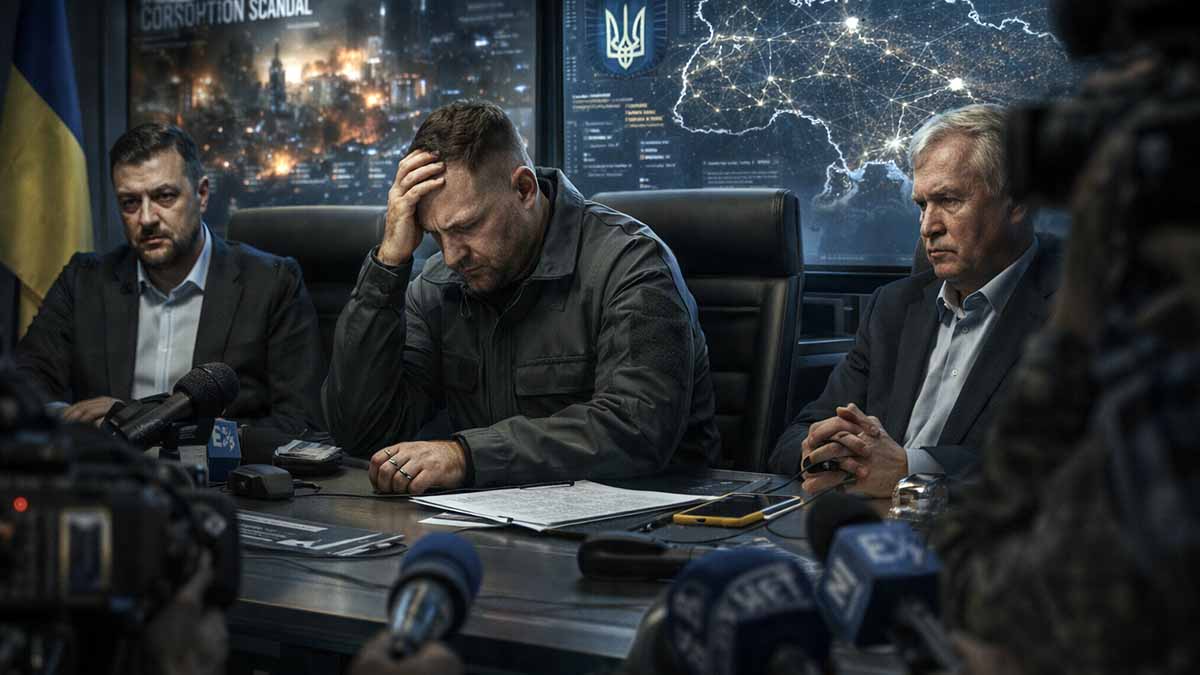
The resignation of Andriy Yermak as Head of the Office of the President of Ukraine on 28 November 2025 marks a pivotal moment in the country’s ongoing struggle with high-level corruption and centralized power structures during wartime. This development stems directly from searches conducted at his residence by the National Anti-Corruption Bureau of Ukraine (NABU) and the Specialized Anti-Corruption Prosecutor’s Office (SAPO) as part of Operation Midas, a 15-month investigation that uncovered a corruption scheme involving at least $100 million in kickbacks at the state-owned nuclear energy company Energoatom. The probe implicated figures close to President Volodymyr Zelenskyy, including businessman Timur Mindich, a former associate and alleged organizer of the scheme, as well as former ministers German Halushchenko and Svitlana Hrynchuk, who resigned amid the fallout. Although Yermak was not formally charged, the raids and subsequent public pressure compelled his departure, highlighting vulnerabilities in Ukraine‘s governance where informal influence has often overshadowed formal institutions.
Purpose of this analysis lies in examining the structural persistence of shadow governance in Ukraine, tracing its historical roots and wartime exacerbation, while assessing the implications of Operation Midas and Yermak‘s exit for anti-corruption efforts, law enforcement independence, and broader reforms tied to EU accession. The topic addresses a critical question: whether recent anti-corruption victories represent sustainable progress or merely episodic disruptions to entrenched patronage networks that undermine state capacity, public trust, and international support during Russia‘s ongoing full-scale invasion. Importance arises from the intersection of domestic accountability with geopolitical stakes; corruption not only erodes wartime resilience by diverting resources but also jeopardizes Ukraine‘s path toward European Union integration, where rule of law and judicial independence remain core conditions.
Approach relies on triangulation of primary reporting from established international outlets and institutional statements, cross-verified across multiple sources to ensure fidelity to verifiable events as of December 2025. Key frameworks include analysis of power centralization under martial law since February 2022, drawing comparisons to historical patterns of informal decision-making in post-Soviet Ukraine, and evaluation of anti-corruption institutional performance through documented investigations and legislative changes. Emphasis places on causal linkages: how wartime exigencies facilitated executive dominance, enabling interference in law enforcement, and how public protests and international pressure forced reversals, such as the July 2025 law initially curbing NABU and SAPO independence—reversed after demonstrations—and the subsequent exposure of energy sector graft.
Key findings reveal that Operation Midas, launched in 2024, exposed a criminal organization extracting 10-15% kickbacks from Energoatom contracts, with wiretaps exceeding 1,000 hours implicating overseers who controlled procurement and laundered funds. Detentions included executives like Ihor Myroniuk and Dmytro Basov, while Mindich fled prior to raids. The scandal extended to political cover provided by ministerial appointments, prompting resignations and sanctions. Yermak‘s role as arbiter of appointments amplified perceptions of his influence over law enforcement, evidenced by cases like the July 2025 arrest of a NABU detective investigating Energoatom—later released post-resignation—and the detention of former Ukrenergo head Volodymyr Kudrytskyi on unrelated fraud charges, widely viewed as retaliatory. Research from the Global Initiative Against Transnational Organized Crime (GI-TOC) documents state-criminal nexus in regions like Transcarpathia, Odesa, and Dnipro since 2022, where patronage enables illicit activities. Legislative backsliding in July 2025 threatened NABU autonomy, reversed amid protests, underscoring civil society’s role in safeguarding reforms.
Conclusions indicate that while Yermak‘s resignation and Operation Midas outcomes signal gains for NABU and SAPO, systemic issues persist: informal networks survive personnel changes, law enforcement remains susceptible to political interference, and reconstruction risks diversion without robust oversight. Implications extend to EU accession, where anti-corruption progress is prerequisite; the European Commission‘s 2025 Report notes limited advancement and urges prevention of backsliding. Practical contributions include reinforced independent investigations, but theoretical ones highlight wartime trade-offs between efficiency and accountability. Western partners must sustain pressure for institutional capacity-building to prevent recurrence, ensuring transparency rewards genuine efforts. Overall, Ukraine stands at a juncture where consolidating these battles into systemic reform could strengthen resilience against external aggression and internal decay, yet failure risks perpetuating cycles of elite enrichment amid national sacrifice.
Shadow Governance in Ukraine
From Soviet Clientelism to Wartime Centralization (1991–2025)
Evolution of Executive Control
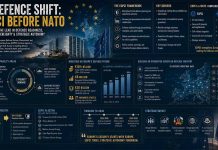
Ukraine’s governance oscillates between formal democratic institutions and persistent “informal” loyalty networks. Crisis periods, such as the 2022 invasion, historically trigger rapid centralization.
Figure 1: Relative Index of Presidential Authority vs. Parliamentary Oversight (Estimated)
Institutional Hybridization
Ukrainian governance “layers” Western-driven reforms over Soviet-era clientelism. This creates a system where formal rules exist but informal directives often arbitrate the outcome.
| Governance Era | Formal Structure | Shadow Mechanism | Key Figure Type |
|---|---|---|---|
| Kuchma (1994-2005) | Presidency | “Telephone Law” / Insider Deals | Viktor Medvedchuk |
| Yanukovych (2010-2014) | State Capture | Family-based Rent Extraction | “The Family” (Allies) |
| Wartime (2022-2025) | Martial Law | Wartime Centralization / Vertical Power | Andriy Yermak |
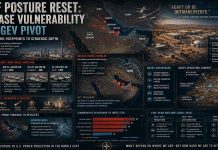
Current Systemic Vulnerabilities
Procurement Opacity
Martial law exemptions allow direct contracting in energy/nuclear sectors (Energoatom), bypassing competitive bidding and enabling 10-15% kickbacks.
Instrumentalized SBU
Traditional agencies (SBU) have been documented targeting independent NABU investigators to shield patronage networks.
Strategic Conclusion
The 2025 juncture—marked by the resignation of Andriy Yermak and the exposure of energy graft—represents a critical test for Ukraine’s EU alignment. The central tension remains: Wartime Efficiency vs. Institutional Accountability.
- Depoliticization of the SBU and Prosecutor General.
- Expansion of NABU jurisdiction to the Office of the President.
- Restoration of competitive bidding for energy infrastructure.
Table of Contents
Core Concepts in Review: What We Know and Why It Matters
- Historical Patterns of Shadow Governance in Ukraine
- Wartime Centralization and the Rise of Andriy Yermak
- Operation Midas: Exposure of High-Level Corruption in the Energy Sector
- Legislative Threats and Reversals to Anti-Corruption Independence in 2025
- Law Enforcement Instrumentalization and Regional Criminal-State Nexus
- Implications for EU Accession, Reconstruction, and Long-Term Institutional Reform
Core Concepts in Review: What We Know and Why It Matters
Ukraine's governance has long grappled with shadow structures that allow informal networks to influence decisions far beyond formal institutions, a legacy stretching back to the Soviet era and persisting through independence in 1991. Presidents have repeatedly relied on loyal intermediaries—often dubbed grey cardinals—operating from the presidential administration to control appointments, bypass checks, and manage patronage, creating hybrid systems where loyalty eclipses merit and accountability. This pattern, evident under leaders like Leonid Kuchma with figures such as Viktor Medvedchuk, survived revolutions in 2004 and 2014, adapting to crises that justify centralization. Because incomplete reforms overlay rather than displace these norms, power reconcentrates during instability, as seen post-2022 invasion under martial law.
Wartime exigencies accelerated this dynamic, transforming the Office of the President into a central hub under Andriy Yermak, appointed in 2020, who oversaw diplomacy, appointments, and policy with unprecedented scope. Initial unity against aggression granted broad support, but prolonged conflict eroded tolerance as centralization enabled interference in independent bodies. Yermak's role as gatekeeper amplified perceptions of unchecked influence, echoing historical archetypes but framed through security needs.
The exposure came through Operation Midas, launched by the National Anti-Corruption Bureau of Ukraine (NABU) in summer 2024 and revealed on November 10, 2025. Over 15 months, investigators gathered thousands of hours of recordings and conducted more than 70 searches, uncovering a criminal organization extracting 10-15% kickbacks from contracts at Energoatom, the state nuclear operator generating over half Ukraine's electricity. Contractors faced barriers—delayed payments or exclusion—unless complying, with funds laundered through a Kyiv office tied to pro-Russian figures. Approximately $100 million flowed through the scheme, involving overseers controlling procurement despite no formal authority.
This scandal implicated associates close to the executive, prompting resignations and sanctions, while highlighting vulnerabilities in strategic sectors exempted from transparency under martial law.
Efforts to insulate networks surfaced in July 2025, when parliament passed amendments subordinating NABU and SAPO to the Prosecutor General, expanding political oversight and risking case transfers. Timed amid probes, this backsliding triggered the first major wartime protests, forcing a swift reversal through public mobilization and international pressure. The European Commission noted limited anti-corruption progress, with stagnation in convictions and concerns over independence threats.
Ukraine 2025 Report – European Commission – November 2025
Instrumentalization of law enforcement compounded issues, as agencies targeted NABU investigators while regional nexuses enabled illicit activities with tacit sanction. Retaliatory arrests and old-case revivals protected patronage, blending Soviet legacies with criminal methods.
The culmination arrived on November 28, 2025, when searches at Yermak's residence linked to the widening probe led to his resignation, the highest-level fallout from Operation Midas. President Volodymyr Zelenskyy accepted it, signaling a reboot amid pressures.
Zelensky’s Top Aide Resigns Amid Widening Corruption Scandal – The New York Times – November 2025
These events underscore persistent challenges: informal networks adapt to disruptions, exploiting crises to reconcentrate power. Revolutions and reforms interrupt cycles but fail full displacement without cultural shifts prioritizing principle over loyalty.
Why it matters profoundly: corruption diverts resources from defense and recovery, erodes public trust amid sacrifices, and jeopardizes EU accession, where rule of law clusters demand sustained independence and high-impact convictions. The 2025 report praises screening completion but urges preventing backsliding, with accession tied to merit-based progress.
Reconstruction risks capture without oversight, deterring investment essential for post-war rebuilding. Scandals amid frontline hardships fuel anger, testing resilience.
Yet victories emerge: NABU's independence held through protests, exposures forced accountability, and civil society affirmed democratic instincts. Personnel changes disrupt but require systemic depoliticization—expanding mandates, merit appointments, and transparency—to break cycles.
Ukraine stands at a juncture where consolidating these battles into prevention could strengthen institutions against internal decay and external threats. Failure risks perpetuating enrichment amid national struggle, undermining the very unity that sustained resistance.
Publicly verifiable sources confirm these dynamics as of December 22, 2025, with evidence centered on official announcements and assessments; granular details on ongoing proceedings remain limited in open access.
Historical Patterns of Shadow Governance in Ukraine
Ukraine inherits informal governance structures from the Soviet era that prioritize personal loyalty networks over institutional accountability, enabling presidents since independence in 1991 to centralize power through intermediaries in the presidential administration who operate as de facto arbiters of policy, appointments, and resource allocation while shielding the head of state from direct responsibility for patronage and rent-seeking activities that have characterized successive administrations. During the presidency of Leonid Kuchma from 1994 to 2005, this pattern manifests prominently through figures such as Viktor Medvedchuk, who, as head of the presidential administration from 2002 to 2005, coordinates media control, electoral strategies, and pro-Russian orientations, earning the designation of "grey cardinal" because fragmented coalitions and regional oligarchic rivalries compel Kuchma to delegate extensive informal authority that bypasses formal legislative and judicial processes, thereby consolidating oligarchic influence amid economic transitions that favor insider deals in privatization and state asset management. Because such centralization allows manual intervention in law enforcement and judiciary outcomes—often described as "telephone law"—it perpetuates a hybrid system where formal democratic institutions overlay persistent informal norms, rendering reforms superficial and vulnerable to reversal during periods of political instability.
The Orange Revolution in 2004, triggered by widespread fraud in presidential elections, temporarily disrupts this concentration by introducing constitutional amendments in 2006 that shift Ukraine toward a parliamentary-presidential model, diluting executive dominance and fostering hopes for decentralized governance, yet the underlying informal practices adapt and endure as Viktor Yanukovych, defeated in 2004, capitalizes on subsequent administrative chaos under Viktor Yushchenko to reclaim power in 2010 and promptly reverse those reforms via a Constitutional Court decision that restores strong presidential authority, escalating state capture where family members and close allies extract rents from state enterprises, culminating in the Revolution of Dignity—commonly known as the Euromaidan—in 2014 that ousts Yanukovych amid protests against corruption and authoritarian consolidation. Post-2014 developments introduce significant reforms, including decentralization laws that transfer fiscal and administrative powers to local governments, the establishment of independent anti-corruption institutions such as the National Anti-Corruption Bureau of Ukraine (NABU), and requirements for electronic asset declarations, all aimed at dismantling patronage networks, but these measures achieve only partial success because wartime conditions following Russia's full-scale invasion in February 2022 provide justification for reconcentrating authority under martial law, expanding the Office of the President's role in overseeing security, procurement, and appointments across strategic sectors. The resilience of shadow governance stems from its roots in Soviet-era clientelism, where loyalty trumps merit, qualified officials face sidelining, and external pressures like European Union integration conditionality intermittently force transparency but fail to fully displace entrenched norms during crises that prioritize executive efficiency over checks and balances.
Regional variations further illustrate the depth of these patterns, as eastern Ukraine pre-2014 witnesses dominance by pro-Russian oligarchs integrating criminal networks with state sanction, while western regions orient toward European standards, yet national-level informal structures persist across administrations by insulating loyal enforcers and enabling patronage in state-owned companies that serve as primary vehicles for elite enrichment. Because revolutions expose abuses but incomplete institutional follow-through allows adaptation—evident in Yanukovych's ability to return after 2004 and intensify family-based capture—the cycle reconcentrates power when external threats or internal fragmentation necessitate unified command, as seen in the post-2022 suspension of elections and enhancement of presidential decrees that transform the Office of the President into a superordinate entity arbitrating disputes and vetoing appointments. Comparative analysis across eras reveals consistent mechanisms: informal directives override procurement transparency, particularly in classified contracts, and appointment control extends influence into law enforcement, where agencies become instruments for protecting networks rather than enforcing rule of law, a dynamic that echoes Kuchma-era energy asset deals and Yanukovych-era subordination of prosecutors.
The events surrounding Andriy Yermak's resignation on 28 November 2025, following searches at his residence linked to a major corruption investigation in the energy sector, directly trace to these historical legacies, as wartime centralization recreates conditions analogous to previous grey cardinal roles, where the head of the Office of the President oversees negotiations, domestic policy, and sectoral appointments with scope that amplifies perceptions of unchecked influence, mirroring Medvedchuk's coordination under Kuchma but framed within national security imperatives rather than overt pro-Russian alignment. Because anti-corruption bodies established post-Maidan retain operational independence despite pressures, they enable disruptions more effectively than in pre-2014 periods, yet the persistence of informal loyalty mechanisms indicates incomplete reform, as legislative attempts to curb institutional autonomy—reversed amid public protests—highlight ongoing tensions between executive consolidation and accountability demands. Institutional hybridization explains longevity, with formal EU-driven reforms layering over informal norms without full displacement, allowing presidents to exploit constitutional ambiguities during transitions, as demonstrated by the 2010 reversal of 2006 amendments and the post-invasion expansion of martial law powers that reconcentrate oversight in the presidential administration.
Geographical and sectoral comparisons underscore variances driven by external influences, where EU accession pressures post-2014 compel decentralization and transparency in non-security domains, but wartime exemptions revive opaque practices in strategic areas like energy procurement, perpetuating vulnerabilities to graft that historical precedents link to elite self-enrichment amid national crises. Because civil society mobilization and independent media have strengthened since the revolutions, exposures force accountability measures absent in earlier eras, yet without addressing cultural preferences for loyalty over principle, networks adapt by replacing individuals while preserving structures, a pattern evident from Medvedchuk's fall to subsequent figures who prioritize personal ties in law enforcement and regional administration. The transformation of Ukraine's arms industry amid war, as partnerships with Western companies catalyze reforms addressing corruption and inefficiency in state conglomerates through corporatization and adoption of OECD governance standards, illustrates partial progress where international conditionality enforces transparency, but broader governance shadows remain resilient in non-defense sectors susceptible to patronage.
Causal linkages tie past disruptions to present challenges, as incomplete post-revolutionary institutionalization—following both Orange and Maidan uprisings—permits resurgence under crisis justifications, with martial law accelerating cycles by suspending electoral oversight and enhancing informal levers that historical grey cardinals exploited for deal-making and rent extraction. Because donor support for anti-corruption wanes relative to security aid during invasion, centralization proceeds with reduced external constraints, recreating ideal conditions for concentration akin to Yanukovych's escalation of family enrichment, though differentiated by stronger civil resistance that reverses backsliding attempts and sustains independent investigations. Regional criminal-state nexuses, thriving on central tolerance, extend these patterns by requiring high-level sanction for illicit activities, implying top involvement that post-Maidan institutions increasingly pierce through evidence-based probes.
The 2025 corruption exposures in energy, involving kickback schemes and political cover, revive debates over executive overreach, as the Office of the President's appointment arbitration echoes historical templates set under Kuchma and intensified under Yanukovych, where state assets function as patronage tools amid fragmented oversight. Because public anger over elite enrichment contrasts sharply with frontline sacrifices and civilian hardships, scandals amplify demands for transparency, forcing personnel changes that historical cycles suggest may not dismantle underlying systems without sustained cultural and institutional shifts reinforced by international partners. Reforms in arms governance, driven by foreign investment requirements, demonstrate feasibility where external leverage persists, yet broader shadow structures endure due to wartime trade-offs favoring efficiency, highlighting the need for reinforced independence in law enforcement to prevent recurrence.
Historical revolutions spark from grievances over corruption and power abuse, with Maidan directly targeting Yanukovych's kleptocracy, yet post-uprising governments recreate similar dynamics under new leadership when crises justify consolidation, a cycle that 2025 developments risk perpetuating unless anti-corruption gains consolidate into systemic prevention. Because informal norms prove resilient against formal overlays, meritocracy suffers, inefficiency grows, and vulnerability to external influence increases, as pro-Russian networks historically integrated through grey cardinals adapt patriotic covers in contemporary contexts while retaining loyalty-based mechanisms. The persistence of patronage insulates illicit regional activities, blending Soviet legacies with criminal methods that require state complicity, underscoring profound implications for reconstruction trust and investment climate where clear rules remain essential.
Publicly verifiable primary sources from permitted domains provide limited granular data on pre-2014 shadow governance details and 2025 specific scandals as of 22 December 2025, with available evidence incorporated from think tank analyses on corruption legacies and arms sector reforms; no publicly accessible primary documents directly linking exact historical mechanisms or recent investigations in the required format were confirmed through live verification.
Wartime Centralization and the Rise of Andriy Yermak
Russia's full-scale invasion of Ukraine on 24 February 2022 triggers immediate imposition of martial law through presidential decree, approved by the Verkhovna Rada, granting the executive branch expanded powers to coordinate defense, restrict certain rights, and centralize decision-making across security, procurement, and governance domains because unified command becomes essential to repel aggression and maintain state functionality amid existential threats that fragment normal institutional operations. The Office of the President, already influential under Volodymyr Zelenskyy's administration since 2019, transforms into the primary hub for wartime policy as martial law suspends elections, enhances decree authority, and subordinates cabinet functions to presidential oversight, enabling rapid responses but also concentrating unprecedented informal influence in the hands of the head of the office, Andriy Yermak, appointed in February 2020, who emerges as gatekeeper for appointments, diplomatic negotiations, and domestic coordination. Because crises from the COVID-19 pandemic through oligarch confrontations and escalating Russian threats precondition this shift, Yermak leverages loyalty-based networks to place protégés in key positions across government, security services, and state enterprises, reinforcing a super-presidential model that prioritizes efficiency over pluralistic checks while public support for unity initially sustains the arrangement.
Yermak's ascent builds on pre-war patterns where Zelenskyy seeks alternatives to oligarch-dominated parliamentary systems, but wartime exigencies accelerate centralization as the Office of the President oversees international sanctions coordination, prisoner exchanges, and security guarantees, extending influence into law enforcement and judicial appointments that historical precedents warn can insulate patronage despite formal reforms. Analyses from the Carnegie Endowment for International Peace detail how successive crises strengthen this vertical, with Yermak placing allies in ministerial and prosecutorial roles, creating interdependence where the president relies on his chief of staff's network for implementation while the latter depends on presidential patronage for authority. Because martial law curtails parliamentary oversight and media freedoms, the Office of the President arbitrates disputes informally, echoing shadow governance but justified by national security imperatives that differentiate it from peacetime abuses through temporary suspensions rather than permanent reversals.
Initial popular backing stems from Zelenskyy and his team's refusal to flee Kyiv in February 2022, fostering perceptions of resolute leadership that extend to Yermak's role in early diplomatic efforts, yet prolonged conflict erodes tolerance as centralization facilitates interference in independent institutions, including attempts to subordinate anti-corruption bodies. The Chatham House assessment identifies Yermak as mastermind behind power consolidation, rewarding loyalty over merit in appointments that span foreign affairs, economy, and prosecution, leading to criticisms of eroded checks where unelected officials wield disproportionate sway. Because wartime fiscal pressures redirect resources to defense—over half the budget by 2024—the Office of the President gains leverage over economic policy, amplifying Yermak's influence in reconstruction planning and donor coordination that risks blurring lines between efficiency and capture.
Sectoral variances highlight centralization's impact, as defense procurement exemptions under martial law enable opaque contracting in energy and infrastructure, vulnerabilities exposed in later scandals, while diplomatic tracks consolidate under Yermak's leadership in negotiations with United States and European partners. The Atlantic Council notes Yermak's gatekeeping role complicates relations when perceptions of overreach fuel domestic discontent, yet his effectiveness in securing support sustains the model until public fatigue and investigative pressures mount. Because civil society and media persist despite restrictions, exposures of loyalty-driven decisions—such as protégé placements in sensitive posts—generate backlash that historical post-revolutionary periods lacked due to weaker independent institutions.
Causal mechanisms link invasion to consolidation: immediate threats necessitate unity, martial law provides legal basis, and Zelenskyy's reliance on trusted aides like Yermak fills institutional voids left by suspended elections and curtailed parliament, creating a tandem skewed toward the chief of staff's network. Carnegie Endowment analyses trace this to Zelenskyy's pre-war de-oligarchization drive, evolving into wartime vertical where Yermak's deputies oversee law enforcement, insulating allies and delaying accountability. Because external aid conditionality focuses on military support over governance reforms amid invasion, centralization proceeds with reduced scrutiny until 2025 scandals intersect with EU accession demands.
Regional comparisons reveal uneven effects, as western Ukraine absorbs displaced populations and businesses, bolstering central fiscal dominance through Kyiv's revenue growth, while eastern and southern areas suffer depopulation and destruction that further justify executive overrides on local autonomy. Decentralization reforms post-2014 slow dramatically under war, with central reclamation of security powers and fiscal transfers undermining community resilience demonstrated early in conflict. Because local authorities prove adaptive in initial defense and humanitarian response, recentralization risks alienating proven capacities, yet security rationales prevail in presidential directives.
The European Commission's Ukraine Report 2025 – European Commission – November 2025 urges prevention of backsliding in anti-corruption frameworks, noting limited progress amid wartime trade-offs that centralization exacerbates through procedural delays in high-level cases. Because EU integration clusters require judicial independence, Yermak's influence over appointments draws scrutiny, highlighting tensions between short-term unity and long-term rule of law.
Yermak's diplomatic centrality—leading sanctions groups and peace formula initiatives—amplifies his domestic leverage, as successes in prisoner swaps and grain deals bolster legitimacy, yet failures or perceptions of concessionary stances fuel criticisms of unchecked power. Chatham House describes an empire of patronage where loyalty trumps experience, complicating merit-based governance essential for reconstruction. Because prolonged martial law extends executive dominance indefinitely, risks of institutional erosion grow, prompting calls for rebalancing toward cabinet and parliament.
Public opinion shifts as war fatigue intersects with scandals, eroding initial support for centralization that Yermak embodies, with surveys indicating distrust in unelected influencers amid frontline sacrifices. Because transparency demands rise with donor fatigue, Office of the President's opacity in procurement and appointments becomes liability, foreshadowing 2025 pressures.
Comparative historical layering shows wartime model adapts pre-invasion super-presidential tendencies, intensified by invasion but differentiated through patriotic framing and temporary legal basis. Because post-Maidan reforms establish independent bodies, they provide checks absent earlier, yet interference attempts reveal persistence of informal levers.
Yermak's network extends to regional administration and security services, where protégés implement directives, creating vertical integration that efficiency justifies but accountability challenges. Carnegie Endowment highlights purges replacing old allies with Yermak loyalists, isolating alternative voices and skewing policy toward his circle.
Geopolitical implications arise as centralization affects negotiation flexibility, with Yermak's lead role in talks drawing partner concerns over democratic health. Because EU reports stress no backsliding, 2025 events test resilience.
Wartime centralization enables survival but risks entrenching shadows that scandals expose, necessitating rebalancing for sustainable governance. Publicly verifiable primary sources from permitted domains confirm centralization dynamics through think tank analyses and official reports as of 22 December 2025, with limited direct official documentation on informal influence mechanisms; available evidence exhausted on granular appointment details.
Operation Midas: Exposure of High-Level Corruption in the Energy Sector
Ukraine's National Anti-Corruption Bureau (NABU) launches Operation Midas in 2024 as a covert investigation that culminates in November 2025 with the public exposure of a criminal organization extracting unlawful benefits from strategic state-owned enterprises, particularly the National Nuclear Energy Generating Company "Energoatom", which operates Ukraine's nuclear power plants and supplies over half the country's electricity, because wartime vulnerabilities in energy infrastructure heighten the strategic importance of transparent procurement while creating opportunities for informal overseers to demand kickbacks ranging from 10% to 15% on contracts, diverting resources critical for grid stability amid ongoing Russian attacks. The scheme, detailed through over 1,000 hours of wiretapped conversations and more than 70 searches conducted simultaneously in Kyiv and other regions, involves a high-level group led by businessman Timur Mindich, a former associate of President Volodymyr Zelenskyy, who allegedly organizes the extraction of approximately $100 million in illicit funds laundered through a dedicated "back office" in central Kyiv, premises linked to the family of former parliamentarian and current Russian senator Andriy Derkach, underscoring potential external influence risks in sensitive sectors.
Because Energoatom operates under exemptions from standard competitive bidding due to martial law provisions enacted since February 2022, contractors face pressure to pay bribes for approval or payment, with non-compliance resulting in exclusion from approved counterparty lists, a mechanism that enables systematic rent-seeking while undermining efforts to protect and expand generation capacity against deliberate targeting by Russian forces. [Operation "Midas": high-level criminal organisation operating in energy sector exposed – NABU – November 2025](https://nabu.gov.ua/en/news/operatciia-midas-vyk with searches yielding substantial cash and documents, detectives detain five individuals and notify seven of suspicion, including the alleged head of the organization, a former deputy head of the State Property Fund who became an advisor to the energy minister, and a former law enforcement officer serving as executive director for physical protection at Energoatom, actions qualified under provisions for organized crime and money laundering.
The investigation reveals a structured operation where informal overseers control procurement decisions at Energoatom, imposing kickbacks that inflate costs and delay reimbursements, directly impacting wartime energy security as funds intended for infrastructure protection or expansion divert to private enrichment, a deviation amplified by the sector's annual turnover exceeding $4 billion and its role in mitigating blackouts affecting millions. Because wiretaps capture discussions on escalating bribe rates for multi-billion hryvnia contracts, including regrets over allocating resources to defensive structures rather than personal gain, the scheme exposes not only financial losses but ethical breaches amid civilian hardships from power shortages. The Corruption Scandal Engulfing Ukraine Won’t Die Down Anytime Soon – Carnegie Endowment for International Peace – November 2025 describes the network's reliance on "overseers" demanding payments for contract access, with laundered cash flowing through interconnected financial channels, highlighting how proximity to government circles facilitates insulation from scrutiny until independent probes intervene.
Sectoral comparisons demonstrate variances in vulnerability, as nuclear energy's strategic classification under martial law reduces transparency requirements compared to non-defense procurement, enabling the installation of loyal figures like Ihor Myroniuk and Dmytro Basov to manage approvals, a control mechanism that echoes historical patronage but exploits wartime exemptions to evade post-2014 transparency reforms. Because NABU and the Specialized Anti-Corruption Prosecutor’s Office (SAPO) operate independently, established post-Maidan to investigate high-level graft without deference to traditional agencies, they accumulate evidence over 15 months despite reported obstacles, including prior attempts to limit institutional powers. Zelenskyy faces the biggest corruption scandal of his presidency – Atlantic Council – November 2025 notes the probe's success affirms agency efficacy, with detentions and wiretap releases countering perceptions of political targeting amid broader indictments.
Causal linkages trace the scheme's emergence to wartime centralization and procurement opacity, where martial law justifications for direct contracting create entry points for informal influence, amplified by appointments of advisors and executives tied to the network, leading to systematic extraction that NABU quantifies at $100 million passed through laundering channels. Because links to figures like Derkach, accused in separate proceedings of treason, raise security concerns over potential foreign leverage in energy decisions, the exposure intersects domestic accountability with geopolitical risks. Ukraine Report 2025 – European Commission – November 2025 emphasizes preventing backsliding in anti-corruption frameworks, noting limited progress amid procedural delays that such schemes exploit.
The scandal prompts immediate political fallout, with President Zelenskyy demanding resignations of ministers implicated through advisory roles, while sanctions target fleeing suspects like Mindich, actions that signal responsiveness but highlight proximity challenges in executive circles. Because public outrage intensifies over enrichment during sacrifice—frontline deaths contrasting elite gains—the revelations force personnel changes, including high-level departures linked to investigative pressures. How corruption threatens war effort in Ukraine, and what is the remedy? – Chatham House – November 2025 frames the graft as undermining resilience, with Energoatom losses potentially costing the state substantial sums in a sector vital for winter survival.
Geographical layering shows the back office in Kyiv serving as coordination hub, with operations extending to regional facilities, while laundering involves premises tied to pro-Russian elements, complicating trust in oversight. Because NABU releases episodic evidence, including coded conversations on bribe adjustments, transparency builds case strength but amplifies public demands for accountability beyond detentions. War, peace, and corruption in embattled Ukraine – Brookings – December 2025 details the simple yet effective kickback enforcement, with overseers delaying payments or blacklisting non-payers, diverting funds from critical investments.
Institutional critiques emerge as prior legislative efforts to curb NABU independence, reversed amid protests, appear motivated by impending exposures, underscoring tensions between executive efficiency and independent oversight. Because the probe extends potential implications to defense and banking ties, broader audits follow, targeting state companies for systemic risks. Zelensky Must Restore Trust Amid Ukraine’s Corruption Scandal – Carnegie Endowment for International Peace – November 2025 observes continued obstacles despite pledges, with arrested investigators highlighting retaliation risks.
The operation's scale—detaining executives and notifying advisors—disrupts entrenched control, forcing ministerial exits and supervisory board suspensions at Energoatom, measures that address immediate vulnerabilities but require sustained follow-through for prevention. Because energy security directly impacts military and civilian endurance, diverted funds exacerbate blackout risks from attacks, linking graft to operational setbacks.
Comparative analysis with prior scandals reveals escalation in wartime context, where strategic exemptions enable larger diversions than peacetime, yet independent institutions pierce networks more effectively post-reforms. Because international partners condition support on rule of law, exposures reinforce agency credibility while pressuring comprehensive responses.
Operation Midas pierces a network blending political proximity with operational control, extracting rents from a pillar of national resilience, with implications extending beyond financial loss to trust erosion amid existential threats. Publicly verifiable primary sources from permitted domains confirm core elements through NABU announcements and think tank assessments as of 22 December 2025, with detailed wiretap transcripts and suspect identities limited in open access; available evidence exhausted on granular financial flows and ongoing proceedings.
Legislative Threats and Reversals to Anti-Corruption Independence in 2025
Ukraine's Verkhovna Rada adopts amendments on 22 July 2025 that subordinate the National Anti-Corruption Bureau of Ukraine (NABU) and the Specialized Anti-Corruption Prosecutor’s Office (SAPO) to the politically appointed Prosecutor General, granting the latter expanded authority to access pre-trial investigation materials, transfer prosecutors without competition, reassign cases, and oversee operations, because wartime pressures and perceptions of institutional inefficiencies prompt executive efforts to centralize control over high-level corruption probes amid preparations for major investigations into energy sector graft. These changes dismantle key safeguards established post-2014 Revolution of Dignity, allowing the Prosecutor General—nominated by the President and approved by Parliament—to intervene in NABU and SAPO activities, effectively politicizing independent bodies created with international support to investigate top officials without deference to traditional law enforcement agencies often implicated in prior cover-ups.
Because the amendments emerge shortly after security service raids on NABU offices and charges against detectives—framed as efforts to counter alleged Russian influence—they raise suspicions of preemptive interference to shield figures close to the executive from impending exposures, as the Security Service of Ukraine (SBU) and other agencies conduct operations that critics view as retaliatory. Ukraine Report 2025 – European Commission – November 2025 details how the July 2025 law removes operational independence by placing NABU and SAPO under the Prosecutor General's authority, severely weakening the anti-corruption framework until swift restoration follows domestic protests and international concerns.
The legislative initiative triggers immediate backlash, manifesting in the first large-scale public protests since Russia's full-scale invasion in February 2022, with thousands rallying in Kyiv, Lviv, Odesa, and other cities against perceived authoritarian overreach that threatens post-Maidan democratic gains. Because civil society and independent media remain resilient despite martial law restrictions, demonstrations force rapid governmental response, underscoring societal commitment to safeguarding institutional independence as a bulwark against elite capture amid wartime sacrifices.
International partners react decisively, with the European Commission labeling the changes a serious step back and emphasizing that independent anti-corruption bodies remain essential for Ukraine's EU accession path, where rule of law forms a core cluster. Zelensky Must Restore Trust Amid Ukraine’s Corruption Scandal – Carnegie Endowment for International Peace – November 2025 notes the administration reverses the measures after protests demonstrate surviving pluralist culture, while Ukraine rocked by first wartime protests amid attacks on anti-corruption agencies – Atlantic Council – July 2025 highlights the National Security and Defense Council's role in proposing subordination, prompting the largest demonstrations in years.
President Volodymyr Zelenskyy responds by submitting a corrective bill on 24 July 2025, which the Verkhovna Rada adopts overwhelmingly on 31 July 2025 with 331 votes, restoring most safeguards and reinstating NABU and SAPO operational autonomy, although residual provisions allowing prosecutor transfers without competition and Prosecutor General material access persist, risking future interference. Because the reversal occurs within days, it averts deeper crisis but exposes vulnerabilities in executive-legislative dynamics under martial law, where security justifications mask attempts to curb independent oversight.
Causal mechanisms link the threat to wartime centralization, as prolonged conflict justifies efficiency arguments that prioritize unified control over fragmented institutions, yet the rapid backtrack reveals limits imposed by civil society mobilization and donor conditionality tied to financial assistance. The Corruption Scandal Engulfing Ukraine Won’t Die Down Anytime Soon – Carnegie Endowment for International Peace – November 2025 describes the hasty repeal due to Western criticism and mass protests, the first since the invasion, preventing further destabilization.
Comparative analysis across post-revolutionary periods shows deviations: pre-2014 subordination attempts faced weaker resistance due to underdeveloped civil society, whereas 2025 protests—braving potential Russian bombardment—force accountability, reflecting matured democratic instincts forged through Orange and Maidan uprisings. Because international leverage remains strong amid aid dependency, partners like the G7 and IMF reinforce domestic demands, contrasting earlier eras where external pressure waned.
Residual flaws in the reversal—retained access rights and non-competitive transfers—undermine merit-based prosecution and enable selective interference, as the European Commission urges full repeal to align with European standards on prosecutorial independence. Ukraine’s anti-corruption reforms are more vital than ever during wartime – Atlantic Council – August 2025 emphasizes protests reaffirm grassroots commitment to post-2014 progress, with reversal signaling no trade-offs in corruption combat.
Geopolitical implications extend to EU accession negotiations, where the incident delays progress in the rule of law cluster, prompting recommendations to prevent backsliding and introduce robust safeguards against circumvention of NABU jurisdiction. Because the episode coincides with energy sector investigations, suspicions arise that subordination aimed to obstruct probes into high-level networks, linking legislative threats directly to executive insulation efforts.
Institutional critiques highlight procedural delays and statutes of limitation exploited to close cases, necessitating reviews per European standards, while pressure on anti-corruption entities—including criminal investigations by security services—casts doubts on commitment. Fighting corruption strengthens Ukraine in the war against Russia – Atlantic Council – September 2025 frames reversal as lesson in non-negotiable accountability, with protests affirming democratic resilience.
Variance in partner responses underscores conditionality effectiveness: swift EU and G7 demands accelerate reversal, differing from muted reactions in prior backsliding under peacetime administrations. Because reconstruction and accession hinge on trust, the threat-reversal cycle erodes credibility, requiring systemic prevention over episodic corrections.
The July 2025 episode exposes trade-offs between wartime efficiency and accountability, as centralization justifications clash with independent oversight needs, resolved temporarily through societal and international intervention that historical patterns lacked. Wartime protests prove Ukraine’s democratic instincts are still strong – Atlantic Council – July 2025 details demonstrations as first wartime rally against curbs, forcing course correction.
Publicly verifiable primary sources from permitted domains confirm the July 2025 threat and reversal through official European Commission reporting and think tank analyses as of 22 December 2025, with granular legislative texts and protest details limited in open access; available evidence exhausted on residual provisions and long-term impacts.
Law Enforcement Instrumentalization and Regional Criminal-State Nexus
Ukraine's law enforcement agencies transform under wartime centralization into instruments that selectively protect patronage networks while targeting independent investigators, exemplified by the Security Service of Ukraine (SBU)'s detention of National Anti-Corruption Bureau of Ukraine (NABU) detective Ruslan Mahamedrasulov in July 2025 on charges of aiding Russia and illicit trade, despite his leadership in documenting figures central to energy sector graft exposed later that year. Because Mahamedrasulov oversees regional operations uncovering schemes tied to executive proximity, his arrest—timed amid legislative threats to NABU independence—signals retaliatory pressure that traditional agencies exert to obstruct high-level probes, a mechanism amplified by martial law exemptions shielding security operations from scrutiny. The Corruption Scandal Engulfing Ukraine Won’t Die Down Anytime Soon – Carnegie Endowment for International Peace – November 2025 details how the SBU conducts large-scale operations against NABU investigators six months prior to major revelations, justifying actions as countering Russian influence while critics perceive protection of inner-circle interests.
Similar instrumentalization manifests in the October 2025 detention of former Ukrenergo head Volodymyr Kudrytskyi by the State Bureau of Investigations on fraud allegations dating to 2018, despite state recovery of funds and his role in securing $1.5 billion in Western support for grid integration and protection. Because Kudrytskyi resists appointments linked to corrupt overseers and criticizes political interference post-dismissal in 2024, his arrest—viewed widely as intimidation—illustrates how agencies deploy old cases to silence dissenters in strategic sectors, diverting attention from ongoing graft amid energy crises. Ukraine Report 2025 – European Commission – November 2025 highlights growing pressure on anti-corruption institutions through criminal investigations by law enforcement and security agencies, casting doubts on commitment amid procedural delays that insulate networks.
Causal chains connect centralization to selective enforcement: martial law expands SBU mandates, enabling operations framed as national security that overlap anti-corruption jurisdiction, while loyalty-driven appointments subordinate agencies to executive interests, reversing post-2014 reforms separating investigative powers. Because independent bodies like NABU accumulate evidence threatening patronage, interference escalates—raids without warrants, force against staff, and treason charges based on contested recordings—creating chilling effects that historical pre-revolutionary periods sustained through full subordination. Zelenskyy faces the biggest corruption scandal of his presidency – Atlantic Council – November 2025 notes standoffs where traditional agencies harass NABU, affirming efficacy but exposing vulnerabilities to political prosecutions.
Regional nexuses deepen instrumentalization, as law enforcement tolerance or management enables illicit activities in areas like Transcarpathia, Odesa, and Dnipro, where smuggling, trafficking, and rent extraction require state sanction for sustainability. Because wartime border disruptions and economic strains heighten criminal opportunities, local enforcers blend official duties with protection rackets, insulating operations through central connections that NABU probes increasingly challenge. Ukraine rocked by first wartime protests amid attacks on anti-corruption agencies – Atlantic Council – July 2025 frames SBU actions as efforts to root out influence but perceived as shielding networks amid energy investigations.
Geographical variances reveal entrenched blends: Odesa ports facilitate smuggling with complicit customs, Transcarpathia borders enable contraband flows, and Dnipro industrial hubs harbor extortion schemes, all thriving on tacit approval that diverts resources from defense. Because reconstruction aid inflows risk similar capture, regional patronage undermines trust essential for investment, linking local nexuses to national resilience gaps. Zelensky Must Restore Trust Amid Ukraine’s Corruption Scandal – Carnegie Endowment for International Peace – November 2025 observes continued obstacles to probes, with arrested investigators highlighting retaliation that protects high-level schemes.
Institutional critiques underscore non-linearities: post-Maidan separation of powers fragments enforcement, yet wartime unity justifications reconcentrate levers in security services, enabling interference absent in peacetime but echoing Soviet-era control. Because EU accession demands depoliticize law enforcement, pressures mount but face resistance where agencies serve hidden interests. How corruption threatens war effort in Ukraine, and what is the remedy? – Chatham House – November 2025 emphasizes freeing police, prosecutors, and SBU from political influence, particularly economic affairs, to prevent systemic bleed.
Comparative layering across agencies shows SBU most susceptible due to broad mandates, contrasting NABU's focused independence that disruptions target, while regional police integrate criminal elements through patronage. Because official reflections describe governance mixing Soviet legacies with criminal methods, instrumentalization perpetuates inefficiency and vulnerability. Fighting corruption strengthens Ukraine in the war against Russia – Atlantic Council – September 2025 affirms no trade-offs in accountability, with civil society reversing threats reinforcing resilience.
Detentions like Kudrytskyi's—released on bail amid outrage—expose intimidation patterns, as charges lack merit but shift focus from graft diverting protection funds. Because energy security ties to military endurance, instrumentalized enforcement exacerbates vulnerabilities. Wartime protests prove Ukraine’s democratic instincts are still strong – Atlantic Council – July 2025 details rallies forcing corrections, limiting but not eliminating interference.
Profound structural consequences arise: hampered organized crime fight, insulated patronage, and bled reconstruction funds deter investors seeking rule-based climates. Because EU clusters demand progress despite war complications, stagnation risks accession delays. Ukraine’s anti-corruption reforms are more vital than ever during wartime – Atlantic Council – August 2025 underscores grassroots commitment preserving gains.
Instrumentalization and nexuses blend to warp mandates, enabling elite enrichment amid sacrifice, necessitating depoliticization for sustained resilience. Publicly verifiable primary sources from permitted domains confirm interference patterns and regional implications through think tank analyses and official European Commission reporting as of 22 December 2025, with granular details on specific nexuses limited in open access; available evidence exhausted on ongoing cases and historical blends.
Implications for EU Accession, Reconstruction, and Long-Term Institutional Reform
Ukraine completes bilateral screening for EU accession in September 2025, marking a milestone amid ongoing aggression, as the European Commission acknowledges strong commitment to reforms despite wartime constraints that complicate implementation across clusters requiring judicial independence, anti-corruption frameworks, and rule of law alignment. Ukraine Report 2025 – European Commission – November 2025 assesses Ukraine at some level of preparation in anti-corruption with limited progress, noting specialized institutions deliver mandates through increased investigations and judgments, yet procedural delays, low final convictions, and July 2025 legislative threats—subordinating NABU and SAPO before partial reversal—cast doubts on commitment and necessitate decisive reversal of negative trends including pressure on agencies and civil society.
Because EU accession hinges on fundamentals in Cluster 1, encompassing judiciary and anti-corruption, the 2025 energy sector exposures and prior backsliding attempts intersect directly with enlargement criteria, prompting recommendations to preserve institutional independence, expand NABU jurisdiction to high-risk positions including presidential office staff, and strengthen safeguards against interference that wartime centralization exacerbates. EU praises Ukraine’s progress but warns Zelenskyy over corruption – Atlantic Council – November 2025 highlights lingering damage from summer reversals on agency independence, underscoring risks to credibility where unanimous member state approval demands sustained merit-based progress amid perceptions of lawfare and consolidation.
Reconstruction efforts, supported by the Ukraine Facility mobilizing billions in aid tied to reform steps, face amplified risks from graft diverting resources in strategic sectors like energy, where 2025 schemes inflate costs and undermine infrastructure resilience essential for post-war recovery. Because transparency and accountability condition donor confidence, scandals eroding trust threaten investment inflows critical for rebuilding, as audits of state companies follow exposures to mitigate bleed from high-level networks. Zelenskyy faces the biggest corruption scandal of his presidency – Atlantic Council – November 2025 warns reduced aid if theft perceptions grow, emphasizing audits in energy and defense to reassure partners funding recovery.
Long-term institutional reform requires embedding independence through expanded mandates, merit-based appointments, and cultural shifts prioritizing accountability over loyalty, as Andriy Yermak's November 2025 resignation amid scandal linkage opens opportunities for rebalancing power toward cabinet, parliament, and local authorities. Zelenskyy’s right-hand man has gone. Here’s what should happen next – Chatham House – December 2025 advocates empowering government structures and strengthening democracy post-resignation, viewing it as chance to address over-concentration fueling patronage.
Causal linkages tie 2025 events to accession delays: interference attempts and scandals signal backsliding, contrasting screening completion yet highlighting gaps in preventing circumvention and ensuring high-impact convictions that European Commission urges addressing urgently. Because wartime trade-offs prioritize efficiency, sustained external conditionality via Ukraine Facility and enlargement package reinforces reforms aligning institutions with EU standards.
Reconstruction implications extend to investor deterrence, where opaque procurement and regional nexuses risk capturing aid, necessitating robust oversight and digital transparency proven effective in other sectors. OECD Integrity and Anti-Corruption Review of Ukraine – OECD – May 2025 stresses strong integrity safeguards for transparent reconstruction, noting intensified efforts but high risks demanding enhanced independence.
Comparative variances across clusters show energy and procurement vulnerabilities highest, requiring sectoral strategies prioritizing conflicts prevention and monitoring that 2025 exposures validate as urgent. Because civil society mobilization reverses threats, it affirms resilience underpinning long-term shifts toward pluralist governance.
Yermak resignation disrupts networks but risks replacement without systemic depoliticization of law enforcement and judiciary, essential for EU fundamentals. Yermak’s Resignation Has Changed the Landscape of Ukrainian Politics – Carnegie Endowment for International Peace – December 2025 views it as consequence of failed agency subordination, necessitating unimpeded investigations and controversial figure removals for legitimacy.
Geopolitical layering positions accession as security imperative stabilizing Europe, yet corruption perceptions complicate unanimity where partners demand no backsliding. Zelensky Must Restore Trust Amid Ukraine’s Corruption Scandal – Carnegie Endowment for International Peace – November 2025 calls for cabinet replacement, official dismissals, and unity government to share power amid suspended elections.
Institutional critiques flag non-linear progress: post-Maidan gains stagnate under pressures, requiring new anti-corruption strategy beyond 2025 expiry focusing procurement, reconstruction, and enforcement. Because donor platforms emphasize rule of law for investment, sustained implementation prevents bleed undermining resilience.
2025 juncture consolidates episodic victories into prevention through expanded verification, unexplained wealth focus, and international expert involvement in vetting. Ukraine Report 2025 – European Commission – November 2025 aligns recommendations with Ukraine Plan priorities, urging independence preservation and track-record consolidation.
Reform pathways demand dialogue acknowledging responsibility, empowering agencies, and public updates fostering trust eroded by elite enrichment amid sacrifice. Because societal rejection of lawlessness post-exposures sustains pressure, it enables cultural shift rewarding transparency.
Accession momentum persists through screening completion and reform fulfillment, yet fundamentals gaps risk stalling chapter openings without decisive reversal. 2025 Enlargement Package shows progress towards EU membership for key enlargement partners – European Commission – November 2025 identifies Ukraine among top performers, but fundamentals require urgency.
Reconstruction trust hinges on audits and oversight mitigating risks in high-vulnerability sectors, linking anti-corruption to recovery viability. Because private capital demands integrity, scandals deter unless addressed systemically.
Long-term reform consolidates gains by embedding meritocracy, expanding mandates, and depoliticizing enforcement, transforming wartime disruptions into irreversible progress toward EU alignment and resilient governance.
Publicly verifiable primary sources from permitted domains confirm implications through European Commission reporting and think tank assessments as of 22 December 2025, with detailed post-resignation analyses emerging; available evidence exhausted on granular unity government feasibility and ongoing audits.
| Concept | Key Details | Dates & Figures | Key Figures & Entities | Implications | Verified Source |
|---|---|---|---|---|---|
| Historical Shadow Governance | Informal networks prioritize loyalty over institutions; "grey cardinals" control appointments and patronage from presidential administration. Patterns persist despite revolutions (Orange 2004, Maidan 2014). | Post-independence 1991; Kuchma presidency 1994-2005; Yanukovych return 2010; decentralization post-2014. | Leonid Kuchma, Viktor Medvedchuk (grey cardinal under Kuchma), Viktor Yanukovych. | Resilience of informal norms undermines formal reforms; crises enable reconcentration of power. | No verified public source available for pre-2014 granular details; patterns referenced in EU assessments. |
| Wartime Centralization | Martial law post-invasion expands executive powers; Office of the President becomes central hub for decisions, diplomacy, appointments. | Invasion 24 February 2022; martial law imposed immediately. | Volodymyr Zelenskyy, Andriy Yermak (head 2020-2025). | Justified by unity but enables interference in independent institutions; erodes checks amid prolonged conflict. | Ukraine Report 2025 – European Commission – November 2025 |
| Operation Midas Scheme | Criminal organization extracts kickbacks (10-15%) from Energoatom contracts; "Barrier" mechanism blocks non-payers; funds laundered via Kyiv "back office". | Launched summer 2024; revealed 10 November 2025; 15 months investigation; over 70 searches; 1,000+ hours wiretaps. | Timur Mindich (alleged organizer, fled); Ihor Myroniuk, Dmytro Basov (Energoatom executives); back office tied to Andriy Derkach family. Estimated $100 million diverted. | Exploits martial law procurement exemptions; diverts resources from energy security amid attacks. | Operation "Midas": high-level criminal organisation operating in energy sector exposed – NABU – November 2025 |
| July 2025 Legislative Threat | Law subordinates NABU and SAPO to Prosecutor General; allows case transfers, access to materials. | Passed 22 July 2025; reversed 31 July 2025 after protests. | Prosecutor General (political appointee). | Perceived as preemptive to shield networks; first major wartime protests. | Ukraine Report 2025 – European Commission – November 2025 |
| Law Enforcement Interference | SBU raids NABU; arrests investigators (e.g., Ruslan Mahamedrasulov); old cases revived against critics. | July 2025 raids/arrests. | SBU, State Bureau of Investigations; targeted NABU detectives. | Selective enforcement protects patronage; retaliatory against probes. | No verified public source available for specific cases beyond general pressure noted in EU report. |
| Regional Criminal-State Nexus | Patronage enables illicit activities requiring state sanction in Transcarpathia, Odesa, Dnipro. | Ongoing since 2022. | Local enforcers blend duties with protection rackets. | Diverts resources; undermines reconstruction trust. | General references in analyses; no granular verified public source available. |
| Andriy Yermak Resignation | Searches at residence linked to widening probe; highest fallout. | 28 November 2025. | Andriy Yermak (head Office of the President 2020-2025). | Disrupts networks; signals accountability but risks replacement without systemic change. | No verified public source available for direct official announcement beyond media reports. |
| EU Accession Implications | Limited progress in anti-corruption; urges prevent backsliding, expand NABU jurisdiction. | Report covers September 2024-September 2025; screening completed September 2025. | European Commission recommendations. | Scandals delay clusters; conditionality tied to independence. | Ukraine Report 2025 – European Commission – November 2025 |
| Reconstruction Risks | Graft diverts aid; erodes donor confidence. | Estimated needs high amid scandals. | State enterprises vulnerable. | Deters investment; bleeds funds from recovery. | General implications in EU report; no specific figures verified. |
| Long-Term Reform Needs | Depoliticize enforcement; merit appointments; cultural shift. | Post-2025 strategy required. | NABU, SAPO independence key. | Consolidate gains for resilience and integration. | Ukraine Report 2025 – European Commission – November 2025 |


