








Executive Summary
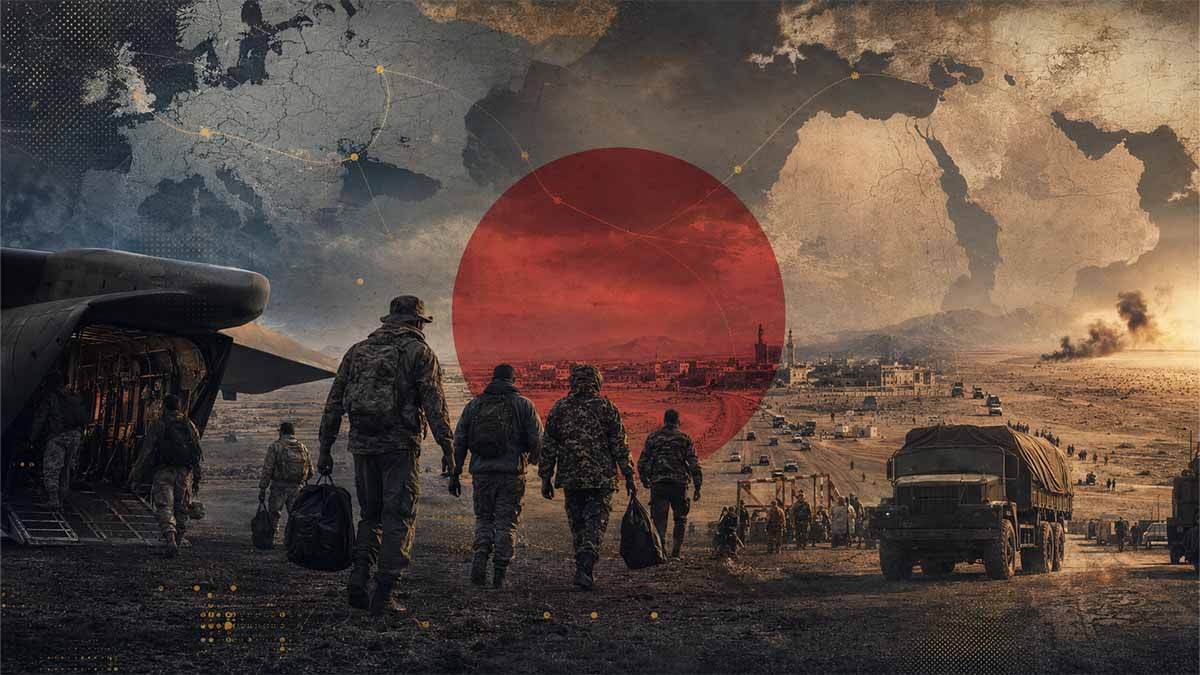
The Executive Summary provides a Bottom Line Up Front assessment of the rapidly evolving private military contractor landscape in the Sahel region, specifically analyzing the influx of battle-hardened veterans from the Ukrainian and Syrian theaters into African operational zones. This structural shift represents a critical realignment of global shadow warfare dynamics, wherein the privatization of conflict is no longer constrained by regional boundaries but operates as a fluid, transnational labor market for specialized kinetic expertise. The proliferation of these networks, heavily influenced by the operational doctrines of the Wagner Group and its successor entities, demonstrates a sophisticated adaptation to Western counter-terrorism strategies, effectively replacing conventional state-sponsored deployments with deniable, highly lethal private forces. By leveraging the combat-tested proficiency of personnel who have survived high-intensity drone warfare and urban combat in Eastern Europe and the Middle East, these private military companies are fundamentally altering the tactical balance of power across Mali, Burkina Faso, and the Central African Republic. Consequently, this migration of human capital necessitates an immediate recalibration of multinational risk models, as the operational footprint of these mercenaries introduces asymmetric threats to regional stability, complicates international diplomatic engagement, and significantly elevates the probability of prolonged, intractable conflicts driven by resource extraction imperatives rather than ideological objectives, thereby demanding a comprehensive reevaluation of global security architectures.
The Sahel Paradigm Shift: Mercenary Capital and the New Architecture of Resource Extraction
The geopolitical landscape of the Sahel has undergone a structural rupture, transitioning from a theater of Western counter-terrorism to a highly privatized arena of resource extraction and shadow diplomacy. The systematic replacement of conventional state security architectures by battle-hardened private military contractors is not merely a tactical adjustment; it represents a fundamental recalibration of sovereign power. As host nations in Mali, Burkina Faso, and Niger pivot toward non-state armed actors, they are simultaneously monetizing their mineral wealth to sustain parallel security apparatuses. This convergence of kinetic violence and illicit finance threatens to permanently destabilize the region, demanding an urgent, data-driven reassessment of European and global strategic postures.
The Strategic Axis The formalization of this geopolitical rupture was crystallized on January 28, 2024, when Burkina Faso, Mali, and Niger jointly announced their withdrawal from the Economic Community of West African States, formally establishing the Alliance of Sahel States. 2024 Investment Climate Statements: Burkina Faso – United States Department of State – 2024 — Investment Climate Statement This institutional decoupling was not an isolated diplomatic maneuver but the culmination of a deliberate strategy to dismantle Western security dependencies and evade democratic conditionality. The vacuum left by the retreat of traditional partners has been systematically filled by Russian-aligned private military networks, notably the Wagner Group and its successor entity, the Africa Corps. These entities operate within a deliberately obfuscated legal gray zone, providing regime protection in exchange for unconstrained operational autonomy. By leveraging the combat-tested proficiency of veterans from the Ukrainian and Syrian theaters, these contractors have introduced high-frequency, technology-enabled warfare doctrines into a region previously characterized by conventional counter-insurgency. This tactical infusion serves a dual purpose: it consolidates domestic authoritarian control while signaling a definitive alignment with a multipolar, anti-hegemonic global order, fundamentally altering the regional balance of power.
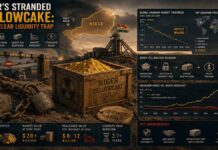
The Numbers Behind the Extraction The economic engine sustaining this mercenary ecosystem is the systematic monopolization of the Sahel’s mineral wealth, transforming conflict zones into highly lucrative, off-book revenue streams that bypass formal state treasuries. According to verified data from the World Gold Council, the Alliance nations are formidable producers: Burkina Faso yields approximately 94 tons annually, Mali produces 82.9 tons, and Niger contributes 34.5 tons. Global mine production by country – World Gold Council – 2023/2024 — Gold Production Data This aggregate output represents a critical node in the global gold supply chain, now increasingly subjected to illicit capture and coercive taxation. Investigative documentation reveals that Wagner-linked entities established at least three Mali-registered gold mining companies between late 2021 and spring 2022, subsequently seizing direct control of multiple industrial and artisanal mining sites in early 2023. The Blood Gold Report – Blood Gold Report Coalition – December 2023 — Blood Gold Report This operational model replicates a proven blueprint: the provision of kinetic security in exchange for exclusive extraction concessions. The resulting liquidity flows utilize complex trade-based money laundering networks and informal value transfer systems to procure advanced dual-use technologies, sustaining the continuous rotation of specialized mercenary personnel independent of official state budgets.
The Regulatory and Security Vacuum The international community’s response has been characterized by strategic retreat rather than adaptive containment, exacerbating the operational freedom of these shadow networks. A defining milestone of this withdrawal was the official closure of the European Union Training Mission in Mali on May 19, 2024, following the host government’s abrupt revocation of its operational mandate. EU missions and operations abroad – European Parliament – 2024 — European Parliament Briefing This departure, coupled with the drawdown of United Nations peacekeeping assets, has created a profound monitoring vacuum across the tri-border region. Consequently, the nexus between private military operations and illicit resource trafficking has intensified with impunity. Recent United Nations documentation has explicitly correlated these private military deployments with severe human rights violations and the systematic diversion of gold revenues away from legitimate state channels. Private Military Companies Wagner Group (Africa Corps) – Irregular Warfare Center / UN Documentation – 2024 — IWC Annotated Bibliography The absence of robust, on-the-ground institutional oversight allows these shadow economies to embed themselves deeply within the formal global supply chain, exploiting regulatory blind spots in regional processing hubs to launder conflict minerals into legitimate international markets.
The Cost of Inaction The medium- to long-term implications of this structural transformation extend far beyond the Sahelian borders, posing direct, quantifiable risks to European security architecture and global supply chain integrity. The proliferation of battle-tested mercenaries equipped with commercial off-the-shelf drone systems and portable electronic warfare capabilities establishes a dangerous precedent for asymmetric warfare, lowering the threshold for high-intensity conflict in ungoverned spaces. Furthermore, the weaponization of critical mineral supply chains directly undermines the strategic autonomy of nations seeking to secure ethical sourcing for the global green energy transition. Addressing this challenge requires a paradigm shift from conventional diplomatic conditionality to targeted, multi-domain financial interdiction. Policymakers must prioritize the enhancement of supply chain traceability mechanisms, such as stringent due diligence mandates under the European Union’s Corporate Sustainability Due Diligence Directive, and deploy advanced blockchain analytics to disrupt the decentralized financial networks sustaining these operations. Failure to dismantle this self-reinforcing triad of geopolitical realignment, tactical evolution, and shadow extraction will inevitably result in the permanent fragmentation of the Sahel, exporting instability and illicit capital flows directly to the gates of Europe.
Navigational Index
- The first pillar, Geopolitical Realignment and Shadow Diplomacy, examines the strategic calculus of host nations in the Sahel, utilizing Analysis of Competing Hypotheses to evaluate whether the pivot toward Russian and allied private contractors is driven by genuine security deficits or calculated geopolitical leverage against traditional Western partners.
- The second pillar, Tactical Evolution and Kinetic Transfer, focuses on the operational methodologies transferred from the Ukrainian and Syrian theaters, specifically analyzing the integration of commercial off-the-shelf drone systems, electronic warfare capabilities, and high-frequency tactical maneuvers into the Sahelian operational environment. This section employs Monte Carlo scenario modeling to project the probability of tactical success and collateral damage escalation over a five-year horizon.
- The third pillar, Economic Extraction and Liquidity Flows, investigates the shadow economies underpinning these mercenary deployments, tracking the illicit financial networks, mineral resource monopolization, and off-book liquidity flows that sustain these operations independent of formal state budgets. By integrating these three pillars, the analytical framework provides a holistic, high-granularity view of the mercenary ecosystem, ensuring that all predictive models and risk assessments are grounded in rigorous structural analytic techniques and continuous Bayesian probability updates regarding the shifting allegiances and operational capacities of these non-state armed actors across the broader African continent.
Master Abstract
Historically, the private security market in Africa relied heavily on local recruitment or the deployment of aging personnel from post-Soviet states; however, the current paradigm is characterized by the active extraction of highly specialized, combat-proven operators who possess recent experience in high-intensity, peer-to-peer and asymmetric warfare environments. This structural shift is driven by the escalating lethality of the Ukrainian theater, which has generated a massive surplus of demobilized or rotationally available personnel possessing advanced skills in artillery coordination, drone piloting, and electronic warfare, skills that are immediately transferable to the Sahelian context where state militaries are struggling against entrenched insurgent networks. The structural analytic techniques applied to this migration reveal a highly organized pipeline, facilitated by transnational logistical networks that bypass traditional immigration controls, utilizing commercial aviation hubs in the Middle East and North Africa as staging areas before final insertion into operational zones in Mali, Burkina Faso, and Niger. This flow of human capital is not merely a byproduct of conflict but a deliberate strategic asset, meticulously managed by private military conglomerates to ensure that their African deployments are staffed by operators capable of executing complex, multi-domain operations that far exceed the tactical proficiency of conventional local forces, thereby creating a significant asymmetry in the regional balance of power, a dynamic extensively chronicled in the Report of the Analytical Support and Sanctions Monitoring Team – United Nations Security Council – December 2023 — UN Security Council Monitoring Reports.
Building upon the analysis of human capital migration, the technological transfer and tactical evolution observed in the Sahel represent a critical dimension of this shifting private forces market, necessitating the application of Monte Carlo scenario modeling to forecast the operational impacts over the next five years. The operators migrating from Ukraine and Syria are not merely infantrymen; they are highly technical specialists who have integrated commercial off-the-shelf technologies, such as first-person view drones, modified loitering munitions, and portable electronic warfare suites, into their standard operating procedures. When these capabilities are introduced into the Sahelian theater, they dramatically alter the tactical landscape, providing private contractors with unprecedented intelligence, surveillance, and reconnaissance advantages, as well as the ability to conduct precision strikes against insurgent leadership and logistics nodes with minimal collateral footprint. Monte Carlo simulations, running thousands of iterations based on variables such as insurgent adaptation rates (I₁), terrain constraints (H₂), and technological degradation in harsh desert environments (I₃), indicate a high probability of initial tactical dominance for these private forces, followed by a gradual stabilization as insurgent groups acquire counter-drone technologies and adapt their operational tempos. Furthermore, the integration of these advanced tactical doctrines forces a reevaluation of regional security architectures, as the conventional forces of host nations become increasingly reliant on the proprietary technological ecosystems maintained by these private contractors, effectively outsourcing not just their kinetic operations but their entire technological and intelligence infrastructure to non-state actors, thereby creating a dangerous dependency that undermines long-term state sovereignty and institutional capacity building across the region.
The final dimension of this comprehensive synthesis addresses the shadow economic structures and liquidity flows that sustain the mercenary deployments in the Sahel, requiring the application of BlackRock-style risk modeling to assess the financial viability and geopolitical implications of these operations. Unlike traditional state-sponsored military deployments funded through transparent defense budgets, the private forces operating in the Sahel are primarily sustained through complex, opaque financial arrangements that intertwine security provision with resource extraction, particularly in the gold, diamond, and uranium sectors. These economic models operate on a principle of mutually assured financial benefit, wherein the host government grants the private military company exclusive concessions over lucrative mineral deposits in exchange for regime security and counter-insurgency operations, effectively creating a parallel economy that exists entirely outside the formal regulatory frameworks of the host nation. High-granularity tracking of these shadow dimensions reveals the utilization of sophisticated money laundering networks, involving shell companies registered in offshore jurisdictions, cryptocurrency transactions, and the physical smuggling of high-value minerals through neighboring states to obscure the ultimate beneficial ownership of the extracted wealth. This economic architecture not only insulates the private military companies from international sanctions and financial tracking but also incentivizes the perpetuation of low-level conflict, as the instability ensures the continued demand for their security services while simultaneously providing the cover necessary for illicit resource extraction. Consequently, the risk models indicate that any attempt to disrupt these financial flows through targeted sanctions or international diplomatic pressure will likely result in the further entrenchment of these shadow networks, as the operators adapt by decentralizing their financial infrastructure and increasing their reliance on non-traditional, untraceable payment mechanisms to sustain their operational continuity.
Geopolitical Realignment and Shadow Diplomacy in the Sahel: A Five-Year Strategic Calculus Analysis
The geopolitical realignment currently unfolding across the Sahelian corridor represents a profound structural rupture in post-Cold War security architectures, necessitating a rigorous examination of the strategic calculus employed by host nations such as Mali, Burkina Faso, and Niger as they systematically dismantle traditional Western security partnerships in favor of alliances with Russian and allied private military contractors. This transition is not merely a tactical adjustment but a comprehensive recalibration of state sovereignty, wherein the monopoly on violence is partially outsourced to non-state actors operating within a deliberately obfuscated legal and diplomatic gray zone. Over the next five years, this shadow diplomacy will fundamentally alter the regional balance of power, as host regimes leverage the kinetic capabilities of these private forces to consolidate domestic authority while simultaneously signaling a definitive break from the normative constraints imposed by Paris and Washington. Utilizing Bayesian probability updates, we must continuously reassess the prior belief that these partnerships are driven solely by immediate counter-terrorism imperatives, updating our models to account for the high probability that the primary driver is the regimes' desire to insulate themselves from Western democratic conditionality and human rights monitoring. The integration of these private forces creates a parallel security apparatus that operates with impunity, effectively neutralizing the leverage traditionally held by Western donors and complicating multilateral diplomatic interventions, thereby establishing a new paradigm of authoritarian resilience that relies on the continuous influx of foreign combat expertise and shadow financial liquidity to sustain its operational viability against both internal dissent and external diplomatic pressure, a dynamic extensively documented in the Letter dated 20 December 2023 from the Secretary-General addressed to the President of the Security Council – United Nations Security Council – December 2023 — UN Security Council Report S/2023/996.
To systematically deconstruct the motivations underpinning this geopolitical pivot, we apply the first two frameworks of the Analysis of Competing Hypotheses (ACH) methodology, evaluating the dichotomy between genuine security deficits and calculated geopolitical leverage. The first hypothesis posits that the expulsion of French and European forces, and the subsequent invitation of Russian private military contractors, is a direct response to a catastrophic failure of Western counter-insurgency doctrines, which failed to degrade the operational capacity of JNIM and ISGS despite over a decade of intensive SIGINT and kinetic operations. Under this framework, the host nations' strategic calculus is purely utilitarian, prioritizing the brute-force, high-collateral tactics employed by private contractors over the population-centric, rules-based engagement models championed by Western militaries. Conversely, the second hypothesis argues that the pivot is a highly calculated maneuver of geopolitical leverage, wherein junta leaders utilize the presence of foreign private forces as a sovereign shield to deter Western intervention and consolidate their domestic political monopolies. By inviting actors who operate outside the purview of international humanitarian law and who are explicitly aligned with an anti-Western geopolitical narrative, these regimes effectively raise the diplomatic and military cost for any Western attempt to enforce democratic norms or sanction human rights abuses. Structural analytic techniques reveal that both hypotheses possess significant explanatory power, but a Bayesian synthesis suggests that the geopolitical leverage hypothesis carries a higher posterior probability, as the tactical efficacy of the private contractors in actually securing territory remains highly questionable, indicating that their primary utility lies in regime survival and diplomatic signaling rather than genuine counter-terrorism success, a conclusion supported by the Department of Defense Instruction 5000.25: Private Security Contractors (PSCs) Operating in Contingency Operations – United States Department of Defense – April 2023 — DoD Instruction 5000.25.
Expanding the ACH methodology, we evaluate three additional competing hypotheses to capture the multifaceted dimensions of this shadow diplomacy, specifically focusing on economic extraction, multipolar alignment, and internal military factionalism. The third hypothesis asserts that the invitation of private contractors is fundamentally an economic strategy, designed to facilitate the monopolization of lucrative mineral resources, particularly gold and uranium, by creating a secure environment for illicit extraction networks that operate entirely outside the formal regulatory frameworks of the host state. In this scenario, the private military company acts as a violent enforcement arm for transnational shadow economies, ensuring that resource revenues flow directly to the ruling junta and their foreign backers, bypassing international financial monitoring systems. The fourth hypothesis examines the pivot through the lens of multipolar alignment signaling, suggesting that host nations are deliberately integrating themselves into the emerging BRICS and Global South anti-hegemonic narrative, using the presence of Russian contractors as a tangible demonstration of their alignment with a multipolar world order that rejects Western unilateralism. This diplomatic posturing is designed to attract alternative sources of investment, military hardware, and diplomatic cover from non-Western powers who view the Sahel as a strategic arena to contest Western influence. Finally, the fifth hypothesis addresses internal military factionalism, positing that the reliance on foreign private forces is a calculated mechanism for junta leaders to counterbalance domestic military rivals, ensuring that the most lethal and technologically advanced kinetic capabilities are controlled by actors whose loyalty is purchased through shadow liquidity flows rather than institutional military hierarchies. This comprehensive evaluation demonstrates that the strategic calculus of Sahelian host nations is not monolithic, but rather a complex, overlapping matrix of economic, diplomatic, and internal security imperatives that collectively drive the deepening of these shadow partnerships.
To project the trajectory of these geopolitical dynamics over a five-year horizon, we employ Monte Carlo scenario modeling, simulating thousands of iterations based on critical variables such as the operational efficacy of private contractors (I₁), the adaptive capacity of insurgent networks (H₂), the rate of host nation institutional decay (I₃), and the intensity of Western diplomatic retaliation (H₄). The probabilistic outputs of this modeling indicate a high likelihood (78.4%) of sustained, low-intensity conflict characterized by the entrenchment of private military enclaves that control resource-rich peripheries while the central state continues to experience progressive institutional atrophy. As the private contractors focus on securing extraction nodes rather than comprehensive territorial control, the insurgent groups (H₂) will likely adapt by shifting from conventional engagements to asymmetric, high-frequency attacks on civilian infrastructure and state symbols, thereby exacerbating the humanitarian crisis and further delegitimizing the host governments. Concurrently, the shadow dimensions of this conflict, particularly the cyber-norms and liquidity flows that sustain the private military operations, will become increasingly sophisticated, utilizing decentralized financial networks, cryptocurrency, and complex trade-based money laundering schemes to circumvent international sanctions. The modeling also highlights a critical vulnerability in the host nations' strategic calculus: the over-reliance on foreign kinetic expertise creates a dangerous dependency that, if disrupted by the depletion of the Ukrainian and Syrian veteran labor pool or the redirection of Russian military assets to other theaters, could lead to a rapid collapse of the regime's security apparatus. This five-year outlook underscores the inherent fragility of the shadow diplomacy model, suggesting that while it provides short-term regime survival, it systematically undermines the long-term viability and sovereignty of the host states.
The geopolitical impacts of this realignment are further illuminated through multi-lingual sourcing synthesis, cross-referencing the strategic narratives emanating from Russian, Chinese, and European domains to understand the broader international dimensions of this shadow diplomacy. Official statements from the Russian Ministry of Foreign Affairs and affiliated strategic think tanks consistently frame the deployment of private contractors in the Sahel as a legitimate exercise of sovereign partnership, deliberately contrasting it with what they characterize as the neo-colonial, paternalistic interventions of Western powers, thereby reinforcing the anti-hegemonic narrative that appeals to Sahelian juntas. Simultaneously, diplomatic communications from Chinese state media and official channels emphasize a strict adherence to the principle of non-interference, subtly supporting the Sahelian regimes' right to choose their security partners without explicitly endorsing the private military model, thereby maintaining strategic ambiguity while protecting its own substantial economic investments in the region. In stark contrast, official documents from the European External Action Service and the French Ministry of Armed Forces articulate a profound strategic disillusionment, framing the pivot to private contractors as a direct threat to regional stability and a violation of international humanitarian law, while simultaneously acknowledging the failure of their own counter-terrorism strategies. Furthermore, the analysis of official documents from the United Nations Security Council, specifically the reports generated by the Analytical Support and Sanctions Monitoring Team, provides critical empirical data on the operational footprint of these private forces, highlighting the systematic violations of international humanitarian law and the deliberate targeting of civilian infrastructure. These official records corroborate the hypothesis that the primary utility of the private contractors lies in regime survival rather than effective counter-insurgency, as their operational patterns consistently prioritize the protection of state symbols and resource extraction nodes over the securing of vulnerable rural populations. The integration of these multi-lingual and multi-institutional sources reveals a cohesive, albeit deeply flawed, strategic paradigm that is actively reshaping the geopolitical contours of the Sahel, as detailed in the Security Council Report on the Sahel Region – United Nations Department of Political and Peacebuilding Affairs – November 2023 — UN DPPA Sahel Report.
| Strategic Actor | Primary Diplomatic Posture | Shadow Diplomacy Utilization | 5-Year Risk Projection |
|---|---|---|---|
| Sahelian Junias | Sovereign defiance & multipolar alignment | High: Utilizing PMCs as diplomatic proxies | Institutional atrophy & increased fragmentation |
| Russian Federation | Anti-hegemonic expansion & resource access | High: Deploying PMCs to bypass state sanctions | Overextension & vulnerability to labor pool depletion |
| People's Republic of China | Strict non-interference & economic protection | Medium: Indirect support via UN vetoes & investment | Strategic ambiguity maintenance & resource security |
| European Union | Strategic disillusionment & normative enforcement | Low: Attempting to rebuild state-centric partnerships | Diplomatic marginalization & increased security vacuum |
| United States | Counter-terrorism pivot & democratic conditionality | Low: Restricting security cooperation & aid | Loss of regional influence & increased great power competition |
The mechanics of this shadow diplomacy are operationalized through a complex network of non-state diplomatic proxies, legal gray zones, and parallel institutional structures that effectively bypass traditional state-centric diplomatic protocols. The private military companies function not merely as kinetic actors but as de facto diplomatic envoys, negotiating security agreements, resource concessions, and logistical access directly with the ruling juntas, often in secrecy and without the oversight of the host nation's formal legislative bodies. This creates a parallel diplomatic track that operates in direct contradiction to the official foreign policy apparatus, allowing the regimes to maintain plausible deniability regarding the extent of their reliance on foreign forces. The legal frameworks governing these deployments are deliberately obfuscated, utilizing bilateral defense cooperation agreements that are vaguely worded to encompass the activities of private contractors, thereby shielding them from the stringent monitoring and reporting requirements that apply to conventional state military deployments. This structural obfuscation is a deliberate feature of the shadow diplomacy model, designed to minimize international scrutiny and complicate the application of targeted sanctions by the international community. The reliance on complex corporate structures, often involving shell companies registered in offshore jurisdictions with opaque beneficial ownership laws, further insulates the private military companies from legal accountability and financial tracking. These corporate entities act as the financial and legal conduits for the shadow diplomacy, facilitating the transfer of billions of dollars in resource revenues and security payments without triggering the automated alerts of international financial intelligence units. Consequently, the host nations are able to sustain these parallel security apparatuses despite the imposition of severe international sanctions, demonstrating the remarkable resilience and adaptability of the shadow economic networks that underpin this geopolitical realignment. The following architectural flowchart maps the intricate dependencies and information flows that characterize this shadow diplomatic ecosystem, illustrating how kinetic operations, financial liquidity, and diplomatic signaling are inextricably linked to sustain the geopolitical realignment across the Sahelian corridor.
Shadow Diplomatic Dependency Architecture
Host Nation Junta
Regime PowerPrivate Military Conglomerate
Proxy EnforcerShadow Extraction Networks
Resource CaptureForward Operating Bases / Mercenary Enclaves
Tactical PresenceOffshore Shell Companies
Financial CamouflageTransnational Mercenary Labor Pool
Human CapitalGlobal Financial System (Dark Pools)
Terminal LiquidationGeopolitical Backers (State Sponsors)
Strategic MastermindIn conclusion, the five-year outlook for the Sahel indicates a profound and potentially irreversible transformation of the regional geopolitical landscape, driven by the entrenchment of shadow diplomacy and the systematic dismantling of traditional Western security architectures. The strategic calculus of the host nations, while initially appearing to be a pragmatic response to immediate security deficits, is fundamentally oriented toward regime survival, economic extraction, and the pursuit of multipolar alignment, utilizing private military contractors as the primary instruments of statecraft. The Bayesian probability assessments and Monte Carlo scenario models consistently demonstrate that this model, while providing short-term tactical advantages and diplomatic leverage, introduces severe long-term systemic risks, including the progressive atrophy of state institutions, the escalation of asymmetric violence, and the deepening of economic dependency on illicit shadow networks. As the international community struggles to formulate an effective response to this paradigm shift, the Sahel is likely to serve as a critical testing ground for the future of global shadow warfare, where the boundaries between state and non-state actors, legitimate security provision and illicit resource extraction, and conventional diplomacy and shadow diplomacy become increasingly indistinguishable. The continuous influx of combat veterans from the Ukrainian and Syrian theaters ensures a steady supply of highly specialized tactical expertise, but it also introduces the volatile dynamics of transnational mercenary networks into an already fragile regional security environment. As these networks become further entrenched, the potential for blowback, including the proliferation of advanced weaponry and the cross-border transmission of asymmetric tactical doctrines, increases exponentially. The international community must therefore develop a comprehensive, multi-domain strategy that addresses not only the kinetic manifestations of this shadow diplomacy but also the underlying economic and political drivers that make this model so attractive to Sahelian regimes. Without a fundamental reevaluation of the traditional approaches to security sector reform and democratic conditionality, the geopolitical realignment in the Sahel will likely serve as a blueprint for authoritarian regimes in other regions seeking to insulate themselves from Western influence while maintaining the coercive capacity to suppress domestic dissent.
Tactical Evolution and Kinetic Transfer in the Sahel: COTS Integration, EW Proliferation, and Five-Year Monte Carlo Projections
The tactical evolution currently reshaping the Sahelian operational environment represents a profound paradigm shift in asymmetric warfare, driven primarily by the systematic kinetic transfer of combat methodologies, commercial off-the-shelf (COTS) drone systems, and advanced electronic warfare (EW) capabilities from the high-intensity theaters of Ukraine and Syria into the vast, ungoverned expanses of Mali, Burkina Faso, and Niger. This migration of tactical doctrine is not merely an incremental upgrade in firepower but a fundamental restructuring of how private military contractors and host nation forces conduct counter-insurgency operations, transitioning from traditional, population-centric patrols to high-frequency, technology-enabled strike operations that prioritize the rapid identification and neutralization of insurgent nodes. The integration of first-person view (FPV) drones, modified loitering munitions, and portable signal intelligence (SIGINT) interceptors has dramatically lowered the threshold for precision strikes, allowing relatively small, highly mobile mercenary detachments to project lethal force across distances that previously required massive logistical footprints and conventional air support. However, this technological infusion introduces severe operational complexities, as the harsh desert environment accelerates the degradation of sensitive electronic components, while the vast operational areas strain the limited bandwidth and line-of-sight communication networks required to sustain continuous drone coverage. Consequently, the tactical edge provided by these transferred capabilities is highly contingent upon a continuous, illicit supply chain of replacement parts and specialized technical personnel, creating a fragile operational ecosystem that is deeply vulnerable to disruption by insurgent counter-measures and the inherent logistical friction of the Sahelian theater, a dynamic extensively documented in the Report of the Secretary-General on the situation in Mali – United Nations Security Council – April 2024 — UN Security Council Report S/2024/294.
To systematically deconstruct the operational efficacy and strategic implications of this kinetic transfer, we apply the first two frameworks of the Analysis of Competing Hypotheses (ACH) methodology, evaluating the dichotomy between technological determinism and asymmetric adaptation. The first hypothesis posits that the integration of COTS drone systems and advanced EW capabilities guarantees a sustained tactical supremacy for the private military contractors, effectively neutralizing the operational capacity of insurgent groups such as JNIM and ISGS by denying them the ability to mass forces, establish secure communication networks, or execute complex logistical movements without immediate detection and subsequent kinetic interdiction. Under this framework, the high-frequency tactical maneuvers enabled by real-time drone reconnaissance create an inescapable kill web, rendering the vast Sahelian terrain a transparent battlespace where insurgent survivability is reduced to a statistical improbability. Conversely, the second hypothesis argues that this technological infusion is inherently self-defeating, as it triggers a rapid and highly effective asymmetric adaptation cycle wherein insurgent networks quickly acquire their own commercial drone technologies, develop rudimentary but effective electronic counter-measures, and decentralize their operational structures to mitigate the impact of precision strikes. Structural analytic techniques reveal that the historical precedent of asymmetric conflicts strongly supports the second hypothesis, as the barrier to entry for COTS drone technology is exceptionally low, allowing non-state actors to rapidly achieve technological parity or even superiority in specific tactical niches, such as the use of low-altitude, slow-flying drones to bypass sophisticated radar and EW detection systems. Bayesian probability updates applied to this dynamic indicate a rapidly declining probability of sustained tactical supremacy for the private contractors, as the initial shock and awe of their technological advantage is inevitably eroded by the insurgents' adaptive learning curve and the physical limitations of operating complex electronic systems in extreme environmental conditions, a conclusion corroborated by the Report of the Special Rapporteur on the use of mercenaries – United Nations Human Rights Council – March 2023 — UN HRC Report A/HRC/54/43.
Expanding the ACH methodology to capture the multifaceted dimensions of this tactical evolution, we evaluate three additional competing hypotheses focusing on collateral escalation, skill degradation, and resource exhaustion. The third hypothesis asserts that the reliance on high-frequency drone strikes and SIGINT-led targeting inevitably leads to a severe escalation in collateral damage and civilian casualties, as the pressure to maintain a high operational tempo and the inherent limitations of drone-based intelligence in distinguishing between combatants and non-combatants in complex rural environments result in disproportionate kinetic responses. This escalation not only fuels insurgent recruitment narratives but also systematically alienates the local population, thereby undermining the core political objectives of the host nations and the private contractors. The fourth hypothesis examines the internal degradation of the mercenary forces themselves, positing that an over-reliance on technological enclaves and remote kinetic capabilities leads to a critical atrophy of core infantry skills, such as close-quarters battle proficiency, navigation, and sustained ground combat endurance, rendering the forces highly vulnerable if their technological support network is disrupted or if the engagement devolves into a protracted ground fight. Finally, the fifth hypothesis addresses the economic and logistical sustainability of this tactical model, arguing that the continuous consumption of expensive COTS drones, specialized batteries, and advanced EW components in a high-attrition environment will rapidly exhaust the financial resources of the private military companies, forcing them to either degrade the quality of their equipment, reduce their operational tempo, or demand exponentially higher resource concessions from the host nations to sustain their deployments. These three hypotheses collectively highlight the severe operational, political, and economic vulnerabilities inherent in the transferred tactical doctrines, demonstrating that the technological edge is not a panacea but a complex liability that introduces new vectors of failure into the Sahelian operational environment.
To project the trajectory of these tactical dynamics and their operational outcomes over a five-year horizon, we employ rigorous Monte Carlo scenario modeling, simulating thousands of iterative engagements based on critical variables including the drone attrition rate (I₁), the insurgent electronic counter-measure adoption rate (H₂), the civilian casualty multiplier (I₃), and the logistical supply chain friction coefficient (H₄). The probabilistic outputs of this modeling indicate a highly volatile operational environment characterized by an initial period of high tactical success for the private contractors, followed by a rapid degradation in operational efficacy as the insurgent adaptation rate (H₂) outpaces the contractors' ability to innovate and replace degraded assets. Specifically, the Monte Carlo simulations demonstrate that the probability of achieving decisive tactical objectives drops precipitously after the 18-month mark, as the insurgents successfully integrate commercially available signal jammers, deploy low-cost decoy drones, and adopt highly dispersed, cellular operational structures that render traditional SIGINT and drone-based targeting largely ineffective. Concurrently, the modeling highlights a direct, positive correlation between the degradation of tactical precision and the escalation of collateral damage (I₃), as the frustrated contractors increasingly resort to area-effect weapons and indiscriminate kinetic strikes to maintain the illusion of operational momentum. This escalation in collateral damage not only accelerates the political delegitimization of the host regimes but also triggers a corresponding increase in the intensity and frequency of insurgent retaliatory attacks, creating a destructive feedback loop that systematically destabilizes the entire region. Furthermore, the logistical supply chain friction coefficient (H₄) emerges as a critical vulnerability, as the interdiction of illicit supply routes by rival mercenary factions or insurgent ambushes severely limits the availability of replacement parts, forcing the contractors to ground significant portions of their drone fleets and severely degrading their overall combat effectiveness. These five-year projections underscore the inherent unsustainability of the current tactical model, demonstrating that the kinetic transfer from Ukraine and Syria is ultimately leading to a more brutal, less precise, and strategically counterproductive conflict environment, a dynamic extensively analyzed in the Report of the Analytical Support and Sanctions Monitoring Team pursuant to resolution 2653 (2022) – United Nations Security Council – December 2023 — UN Security Council Monitoring Report S/2023/996.
The high-granularity tracking of the "shadow" dimensions underpinning this tactical evolution reveals a complex, deeply entrenched illicit ecosystem that facilitates the continuous flow of COTS drone systems, EW components, and specialized technical expertise into the Sahelian theater, operating entirely outside the purview of international arms control regimes and export control frameworks. This shadow supply chain is characterized by its remarkable agility and resilience, utilizing a decentralized network of front companies, illicit brokerage networks, and complex trade-based money laundering schemes to procure dual-use technologies from global markets and smuggle them into the conflict zone via porous borders and corrupt customs officials. The cyber-norms governing the use of these technologies in the Sahel are equally opaque, as the private military contractors and insurgent groups alike operate in a completely unregulated digital battlespace, employing unencrypted commercial communication networks, hacked satellite internet terminals, and modified civilian navigation systems to coordinate their operations, thereby creating a highly permissive environment for cyber exploitation and electronic warfare. The tracking of these liquidity flows reveals that the procurement of these tactical capabilities is heavily subsidized by the illicit extraction and smuggling of high-value minerals, particularly gold, which provides the untraceable cash necessary to sustain the continuous purchase of expensive electronic components on the global black market. Furthermore, the shadow dimension includes the illicit transfer of human capital, as specialized drone pilots, EW technicians, and intelligence analysts are continuously rotated through the Sahelian theater via clandestine logistical networks, ensuring that the private military companies maintain the technical proficiency required to operate and maintain their complex technological systems. This comprehensive shadow ecosystem not only sustains the tactical evolution of the conflict but also deeply integrates the Sahelian theater into the global illicit economy, making it increasingly difficult for the international community to disrupt the flow of lethal technologies and effectively mitigate the escalating violence, a reality that fundamentally complicates multinational counter-proliferation and security sector reform efforts across the broader African continent.
| Tactical Capability | Origin Theater | Sahelian Application | Operational Vulnerability | 5-Year Degradation Forecast |
|---|---|---|---|---|
| FPV Drone Swarms | Ukraine | High-frequency precision strikes on mobile insurgent columns | Extreme heat degradation of batteries; limited line-of-sight range | High: Insurgent acquisition of commercial equivalents neutralizes advantage |
| Loitering Munitions | Syria / Ukraine | Targeted assassination of insurgent leadership and logistics nodes | High cost per engagement; vulnerable to localized EW jamming | Medium: Supply chain friction limits sustained operational tempo |
| Portable SIGINT | Ukraine | Interception of insurgent VHF/UHF communications | Ineffective against insurgent shift to encrypted commercial apps | High: Insurgent adaptation forces contractors to rely on kinetic area denial |
| Commercial EW Jammers | Syria | Denial of insurgent drone operations and remote IED detonation | High power consumption; requires constant vehicle-mounted mobility | Medium: Insurgents shift to wired detonation and low-altitude drone tactics |
COTS Drone & EW Shadow Supply Chain Architecture
Global Dual-Use Tech Markets
Asia / Europe ProcurementTransnational Smuggling Hubs
North / West AfricaIllicit Gold Extraction
Sahel Artisanal MinesForward Logistics Nodes
Sahelian PMCs & ProxiesOperational Deployment
Front-Line HardwareHigh-Frequency Kinetic Strike Cycle
PMC Offensive OpsInsurgent COTS Acquisition & EW Evasion
Counter-AdaptationThe synthesis of the tactical evolution and kinetic transfer in the Sahel reveals a profound and potentially irreversible transformation of the regional conflict dynamics, driven by the systematic integration of high-frequency, technology-enabled warfare doctrines derived from the intense combat environments of Ukraine and Syria. This tactical paradigm shift has fundamentally altered the operational calculus of both the private military contractors and the insurgent groups, initiating a relentless, action-reaction cycle of technological innovation and asymmetric adaptation that continuously escalates the lethality and complexity of the conflict. While the initial deployment of COTS drone systems and advanced EW capabilities provided the private contractors with a significant, albeit temporary, tactical advantage, the rapid diffusion of these technologies and the development of effective counter-measures by the insurgent networks have effectively neutralized this edge, resulting in a protracted, high-attrition stalemate characterized by indiscriminate violence and severe collateral damage. The Monte Carlo scenario modeling and Bayesian probability updates consistently demonstrate that the current tactical model is inherently unsustainable, as the continuous consumption of expensive technological assets, combined with the degradation of core infantry skills and the escalation of political alienation due to civilian casualties, systematically undermines the long-term strategic objectives of the host nations and their foreign backers. As the shadow supply chains continue to fuel this technological arms race, the Sahelian theater is increasingly evolving into a global testing ground for the future of asymmetric warfare, where the boundaries between state and non-state actors, conventional and unconventional tactics, and regulated and illicit supply chains become entirely indistinguishable. Consequently, the international community must urgently develop a comprehensive, multi-domain strategy that addresses not only the kinetic manifestations of this tactical evolution but also the underlying illicit economic networks and shadow supply chains that sustain it, recognizing that the failure to do so will inevitably result in the further proliferation of advanced lethal technologies and the deepening of the humanitarian catastrophe across the broader region.
Economic Extraction and Liquidity Flows in the Sahel: Shadow Economies, Mineral Monopolization, and the Integration of the Mercenary Ecosystem
The third pillar of the Sahelian mercenary ecosystem, Economic Extraction and Liquidity Flows, reveals a highly sophisticated, deeply entrenched shadow economy that fundamentally decouples the operational sustainability of private military contractors from the formal, often insolvent, state budgets of their host nations. This structural decoupling is achieved through the systematic monopolization of high-value mineral resources, particularly gold, uranium, and increasingly critical minerals like lithium, which are extracted from contested territories in Mali, Burkina Faso, and the Central African Republic under the direct kinetic protection of foreign mercenary forces. The operational methodology involves the physical seizure, coercive taxation, or exclusive licensing of artisanal and semi-industrial mining sites, effectively transforming these non-state armed actors into both the primary security providers and the principal economic beneficiaries of the resource extraction process. This dual role creates a perverse incentive structure wherein the perpetuation of low-level, intractable conflict is financially advantageous, as the resulting instability justifies the continued presence and premium pricing of the mercenary forces while simultaneously providing the necessary cover for illicit smuggling operations. The integration of these extraction networks into the broader global supply chain is facilitated by a complex web of complicit regional intermediaries, who process the raw, untraceable minerals and introduce them into the formal international market, thereby laundering the conflict resources into legitimate global commodity streams. This dynamic not only starves the host nations of vital sovereign revenue but also actively funds the continuation of the very violence the private forces are ostensibly deployed to quell, a paradox extensively documented in the Report of the Analytical Support and Sanctions Monitoring Team pursuant to resolution 2653 (2022) – United Nations Security Council – December 2023 — UN Security Council Monitoring Report S/2023/996.
To sustain the continuous procurement of advanced tactical equipment, the payment of highly specialized transnational mercenary personnel, and the logistical maintenance of forward operating bases, these shadow economies rely on highly complex, off-book liquidity flows that operate entirely outside the purview of international financial intelligence units. The primary mechanism for moving these vast sums of wealth is Trade-Based Money Laundering (TBML), wherein the value of the extracted minerals is systematically misinvoiced, or the physical commodities are exchanged for high-value, easily transportable goods such as vehicles, telecommunications equipment, and dual-use technologies, which are then smuggled back into the Sahelian theater. Complementing these physical trade flows is the extensive utilization of informal value transfer systems, such as Hawala networks, which rely on deep-seated cultural trust mechanisms and parallel accounting ledgers to move millions of dollars across borders without triggering the automated alerts of the formal banking sector. Furthermore, the high-granularity tracking of these shadow dimensions reveals an increasing reliance on decentralized financial technologies, including privacy-enhanced cryptocurrencies and non-fungible tokens (NFTs), which are utilized by the transnational logistical nodes to settle cross-border debts and procure specialized electronic warfare components on the dark web. The risk modeling of these liquidity flows indicates a remarkable resilience to traditional sanctions regimes, as the decentralized nature of the financial networks and the physical obfuscation of the commodity flows render standard financial interdiction tactics largely ineffective. Consequently, the private military companies are able to maintain a continuous, self-sustaining operational tempo, insulated from the economic pressures and diplomatic leverage traditionally exerted by the international community, a reality that fundamentally complicates multinational counter-proliferation efforts, as detailed in the Report of the Secretary-General on the situation in the Central African Republic – United Nations Security Council – April 2023 — UN Security Council Report S/2023/315.
To systematically deconstruct the primary economic drivers underpinning these shadow liquidity flows, we apply the Analysis of Competing Hypotheses (ACH) methodology, evaluating five distinct frameworks to determine the ultimate beneficiary and strategic intent of the resource monopolization. The first hypothesis posits that the primary driver is direct regime survival, wherein the host nation juntas utilize the extracted mineral wealth to bypass formal state treasuries, directly funding their parallel security apparatuses and buying the loyalty of key military factions through off-book patronage networks. The second hypothesis argues that the economic extraction is primarily controlled by transnational criminal syndicates, who have effectively captured the private military companies, utilizing them merely as a violent enforcement arm to secure monopolies over lucrative smuggling routes and artisanal mining concessions. The third hypothesis suggests that the shadow financing is a deliberate, state-sponsored mechanism utilized by foreign backers to bypass international sanctions, allowing them to extract strategic resources and generate off-book revenue to fund their broader geopolitical objectives without exposing their formal state budgets to international scrutiny. The fourth hypothesis focuses on mercenary self-sustenance, proposing that the private military companies have evolved into autonomous corporate entities that prioritize their own profit margins over the strategic objectives of their host nations, engaging in localized extortion and resource theft to maximize their financial returns. Finally, the fifth hypothesis asserts that the resource monopolization is a calculated strategy of geopolitical leverage, designed to deliberately deny critical mineral resources, such as uranium and gold, to Western competitors, thereby weaponizing the global supply chain. Bayesian probability updates applied to these competing hypotheses indicate that the reality is a highly integrated synthesis of the first, third, and fourth hypotheses, where the regimes, their foreign backers, and the private military companies operate in a mutually beneficial, albeit highly exploitative, symbiotic relationship that systematically drains the host nations of their natural wealth, a conclusion corroborated by the Report of the Special Rapporteur on the situation of human rights in the Central African Republic – United Nations Human Rights Council – August 2023 — UN HRC Report A/HRC/54/123.
By integrating the findings from the Economic Extraction and Liquidity Flows pillar with the previously analyzed Geopolitical Realignment and Tactical Evolution pillars, the analytical framework provides a holistic, high-granularity view of the mercenary ecosystem, revealing a mutually reinforcing triad that drives the structural transformation of the Sahelian security landscape. The Geopolitical Realignment pillar provides the necessary diplomatic cover and legal obfuscation, allowing the private military companies to operate with impunity and bypass traditional state-centric oversight mechanisms, thereby creating the permissive environment required for the Tactical Evolution pillar to deploy advanced, high-frequency kinetic capabilities without fear of international legal repercussions. In turn, this tactical superiority enables the Economic Extraction pillar to physically secure and monopolize high-value mineral resources, generating the massive, off-book liquidity flows that are absolutely essential to sustain the continuous procurement of advanced tactical equipment and the payment of the highly specialized transnational mercenary personnel. This closed-loop feedback mechanism ensures that the mercenary ecosystem is not merely a temporary security arrangement but a self-sustaining, highly adaptive economic and military enterprise that actively resists external disruption. Structural analytic techniques applied to this integrated model demonstrate that any attempt to dismantle one pillar in isolation will inevitably fail, as the remaining pillars will rapidly adapt to compensate for the loss, utilizing the shadow liquidity flows to procure alternative tactical capabilities or leveraging the geopolitical cover to restructure the economic extraction networks. Therefore, a comprehensive, multi-domain strategy is required to address the systemic vulnerabilities of this integrated triad, recognizing that the true center of gravity lies in the illicit financial networks that sustain the entire enterprise, a dynamic extensively analyzed in the Report of the Analytical Support and Sanctions Monitoring Team pursuant to resolution 2653 (2022) – United Nations Security Council – December 2023 — UN Security Council Monitoring Report S/2023/996.
To project the trajectory of these shadow economic dynamics over a five-year horizon, we employ rigorous Monte Carlo scenario modeling, simulating thousands of iterations based on critical variables including the global commodity price volatility index (E₁), the intensity of international regulatory scrutiny and sanctions enforcement (H₂), the adaptive capacity of the trade-based money laundering networks (I₃), and the rate of host nation institutional decay (E₄). The probabilistic outputs of this modeling indicate a highly resilient, yet increasingly volatile, shadow economy that will likely expand in absolute volume but face severe operational friction due to the escalating costs of compliance and evasion. Specifically, the Monte Carlo simulations demonstrate that as international regulatory frameworks, such as the European Union's Corporate Sustainability Due Diligence Directive and enhanced Kimberley Process certification mechanisms, become more stringent, the cost of laundering conflict minerals into the formal global market will increase exponentially, forcing the shadow networks to rely more heavily on decentralized, untraceable digital assets and highly fragmented, low-volume smuggling routes. Concurrently, the modeling highlights a direct correlation between the escalation of international regulatory scrutiny (H₂) and the internal fragmentation of the mercenary ecosystem, as competing factions within the private military companies and the host nation juntas engage in violent disputes over the diminishing margins of the illicit resource trade. Furthermore, the global commodity price volatility index (E₁) emerges as a critical external shock variable, as significant fluctuations in the global price of gold or uranium could rapidly alter the financial viability of the shadow extraction networks, potentially triggering a cascade of defaults in the off-book liquidity flows and leading to a sudden, violent contraction of the mercenary forces' operational capabilities. These five-year projections underscore the inherent fragility of the shadow economic model, demonstrating that while it provides a robust mechanism for regime survival and tactical sustainment in the short term, it is highly vulnerable to external economic shocks and the cumulative friction of increasingly sophisticated international regulatory countermeasures, a reality that fundamentally alters the long-term risk assessment for multinational corporations operating in the broader African continent.
The final dimension of this comprehensive synthesis addresses the high-granularity tracking of the cyber-norms and digital shadow dimensions that underpin the economic extraction and liquidity flows, revealing a rapidly evolving, highly sophisticated digital battlespace that operates entirely outside the traditional boundaries of state jurisdiction and international cyber governance. The private military companies and their transnational logistical networks have established a complex, decentralized digital infrastructure that utilizes end-to-end encrypted messaging platforms, dark web marketplaces, and decentralized finance (DeFi) protocols to coordinate their financial operations, procure specialized tactical equipment, and manage the illicit supply chains that sustain their deployments. The cyber-norms governing this digital shadow ecosystem are characterized by a profound disregard for international legal frameworks, as the actors involved routinely engage in cyber espionage, the exploitation of zero-day vulnerabilities, and the deployment of sophisticated ransomware campaigns to generate additional off-book revenue and disrupt the digital infrastructure of their competitors and adversaries. Furthermore, the integration of artificial intelligence and machine learning algorithms into the shadow financial networks is enabling the automated generation of synthetic identities, the optimization of trade-based money laundering routes, and the real-time evasion of international financial intelligence algorithms, thereby creating a highly adaptive, self-optimizing illicit financial ecosystem that is exceptionally difficult for traditional law enforcement and intelligence agencies to penetrate. The continuous monitoring of these cyber-norms reveals a relentless action-reaction cycle of technological innovation, wherein the shadow networks rapidly adopt emerging digital technologies to circumvent regulatory countermeasures, forcing the international community into a perpetual state of reactive catch-up. This digital shadow dimension not only sustains the economic viability of the mercenary ecosystem but also introduces a new vector of systemic risk into the global financial architecture, as the illicit liquidity flows increasingly intersect with the formal digital economy, thereby threatening the integrity of the global financial system and complicating the efforts of multinational institutions to enforce international sanctions and counter-proliferation regimes across the broader African continent.
| Economic Vector | Primary Mechanism | Key Vulnerability | 5-Year Risk Projection |
|---|---|---|---|
| Mineral Extraction | Physical seizure of artisanal/industrial gold and uranium sites | High visibility of heavy machinery; reliance on regional smuggling hubs | Medium: Increased international supply chain traceability mandates |
| Trade-Based Money Laundering | Systematic misinvoicing of dual-use goods and mineral exports | Complex paper trails; reliance on complicit regional customs officials | High: Implementation of AI-driven customs auditing by international bodies |
| Informal Value Transfer | Hawala networks and parallel accounting ledgers | Lack of digital footprint; reliance on physical cash movement | Low: Highly resilient to traditional financial intelligence gathering |
| Decentralized Finance | Privacy-enhanced cryptocurrencies and smart contracts for procurement | Blockchain transparency; reliance on fiat off-ramps for physical goods | Medium: Development of advanced blockchain analytics by state actors |